One of Argentina’s most enduring culinary traditions
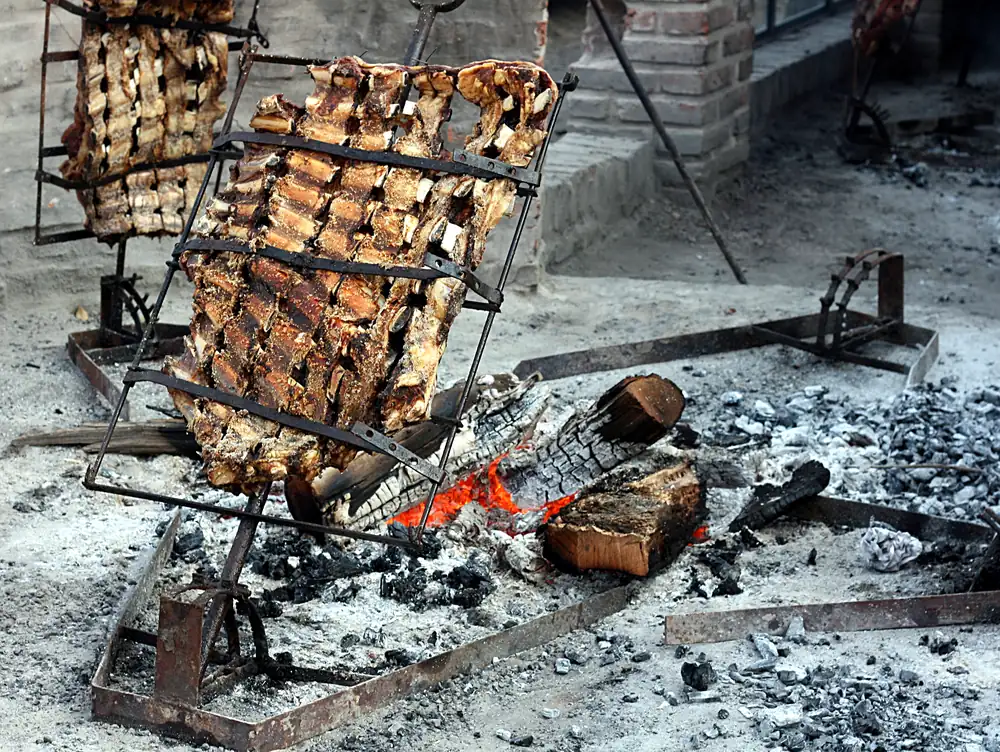
Asado is one of Argentina’s most enduring culinary traditions, centred on the ritual of grilling meat over open flames or glowing embers.
Over time it evolved into a social institution, not merely a meal but a gathering, often lasting hours, where family and friends share conversation as much as food. Regional variations reflect Argentina’s diverse landscapes, from the tender cuts favoured in Buenos Aires to the more rustic styles of Patagonia and the north.
Offal cuts remain prized in many traditional settings, reflecting a nose-to-tail philosophy long embedded in local cuisine. Seasonally, asado is often associated with weekends and holidays, particularly in warmer months when outdoor cooking becomes a leisurely ritual. Although rooted in Argentina, asado has travelled widely with the diaspora, finding appreciation in cities across Europe and beyond.
In Cyprus, while not traditional, the culture of grilling over charcoal resonates strongly with local souvla and shared outdoor feasting customs. As a result, asado is often appreciated by those who recognise parallels between Mediterranean and South American approaches to communal dining. Its preparation today may include modern grills, imported cuts, and refined techniques, yet it remains grounded in simplicity and patience.
Ultimately, asado remains a living tradition, constantly adapting yet always faithful to its elemental beginnings over fire and time. It is this balance between endurance and evolution that keeps asado relevant in contemporary culinary culture. Whether prepared on a small domestic grill or at a large communal gathering, the essence remains unchanged.
The slow turning of meat over steady heat reflects a philosophy of care and attention that transcends geography. Shared around the fire, asado becomes a moment of connection. For many, it is less about the specific cuts of meat and more about the ritual that surrounds them. This ritual, passed down through generations, continues to define how food, family and friendship intersect in Argentine society.
As global interest in traditional grilling grows, asado stands as a benchmark for authenticity and communal spirit. Today, asado continues to evolve while preserving its deep historical roots, uniting communities across Argentina and beyond.