“The care and concern pays off for him too” – Let's make vinegar based on the tips of head chef Péter Balogh!
If you had to explain the concept of vinegar making to someone who has never made homemade vinegar before - how would you briefly describe it and what is the most important basic rule to follow?
Péter Balogh: If I had to explain it in one word, simply, I would say that it is the soul of vinegar. Of course, it is more complicated than that. The vinegar plant is actually a colony of bacteria that is designed to convert sugars and alcohol into acetic acid. It may seem scary at first glance, but if we handle it properly, it can be of great help if we want to make our own vinegars, as we can use it as a starter later. The most important rule is hygiene and good quality (preferably chemical-free) ingredients.
What ingredients do you recommend for starting a vinegar bed, and what is the most common mistake beginners make – such as fermenting too quickly or handling the acidity?
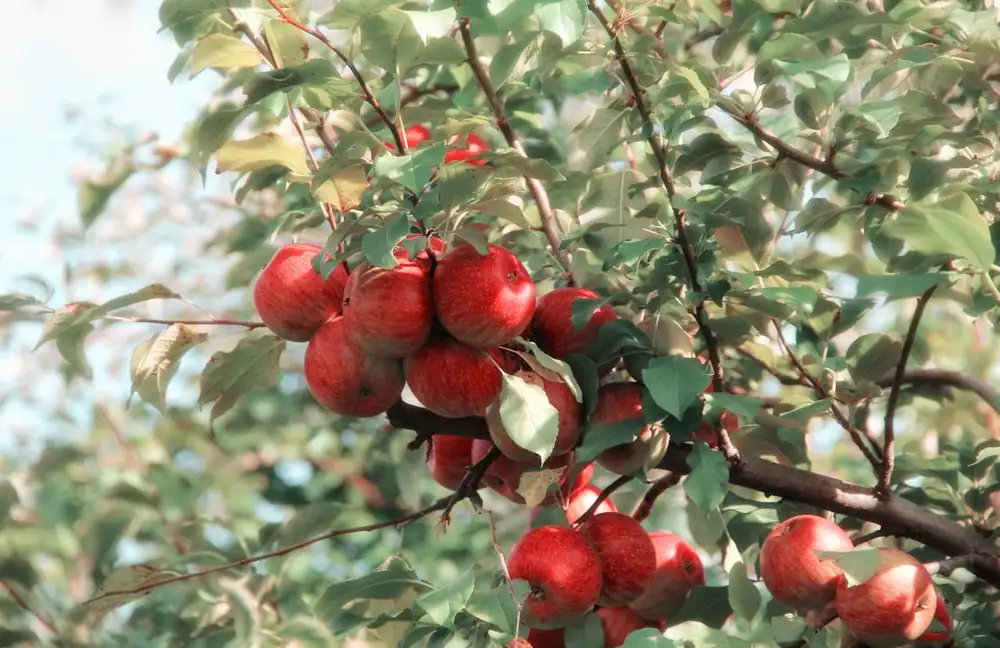
I definitely recommend apples for making your first vinegar. If you have the opportunity, get organic apples. All parts of the fruit can be used, just cut them into larger cubes! I usually add forty grams of sugar to a liter of filtered water, and by adding this to the sugar content of the fruit, you will end up with about five percent vinegar. Cover the bottle with a piece of cheesecloth and stir it daily with a clean wooden spoon! In two to three weeks, if you did it right, the apples will settle to the bottom of the bottle, at which point you can strain them and another four to six weeks of fermentation will begin, during which the alcohol will turn into acetic acid.
There is a risk of various inappropriate fungi and bacteria growing in the bottle. The so-called Kahm yeast is a frequent “guest” during fermentation or vinegar production. In my experience, it finds a place in our bottle due to the high temperature. We try to remove it with a harmless, sterile spoon!
The other thing that doesn't belong there is mold. It can get into the bottle from a thousand places: from fruit, from our hands, even from the spoon we stir with, but it is possible that the bottle was originally contaminated despite our best efforts. If we experience mold, in my opinion, we should start with new vinegar!
When using vinegar from your own vinegar farm as a seasoning or other element, how do you adjust the proportion of vinegar in the dish, and what role does the vinegar farm's own character play in the flavor?
Every vinegar is different. No two are ever the same, as it depends greatly on external environmental influences. As time goes on, the flavor deepens and becomes balsamic. There are some well-proven flavor pairs, which I try to keep in mind. I often use vinegar in a stew to adjust the appropriate acidity. I like to use apple, pear or quince vinegar. It can be very exciting to embed our ready-made vinegar with herbs, such as tarragon or thyme. I often follow the principle of “less is sometimes more” here, as salt intensifies acidic flavors.
When do you consider a vinegar “finished” and stable – what sensory or technical signs do you use to determine that it will not overripe or ferment in the wrong direction?
Based on aroma and taste. It is usually made in eight to ten weeks, it is worth tasting during this time. In my opinion, it cannot become overripe. The older a vinegar is, the more characteristic, deeper flavors appear in it. I made it from quince a few years ago, and at first it had a slightly opalescent color and a sour taste. Over the years, it has become clear and has a truly unique, honey-like taste. I hold it in high esteem.
Is there a special way you use vinegar at KIOSK – such as in marinades, fermented supplements, or even desserts – that surprises guests?
Previously, we often used artisanal vinegars in desserts, although not our own. For example, in our Eszterházy dessert, we used apricot vinegar. The vinegar complements and highlights the sweet flavors well. We started our fall menu a few weeks ago, and at this time we almost immediately turn to thinking up and experimenting with the spring menu. There is a huge apple tree on the Papi farm, the fruit of which we have stored for vinegar, if it works out well, we can see it in a salad dressing next year. I am currently experimenting with a vinegar made from tomato water, which we imagine for fish.
My personal favorite is the “vinegar spritzer”. A few drops of vinegar with ice-cold soda can be a divine refreshment, and it also has a positive effect on the body. I often ferment leftover kombucha into vinegar.
If someone wants to introduce vinegar making at home or in a small kitchen, what should they pay most attention to in terms of storage, temperature, or hygiene, and what mistakes usually cause this process to fail?
Since we are talking about a living thing, it deserves care and attention. Avoid extreme conditions, I am mainly thinking of large temperature fluctuations! The ideal range is between twenty and twenty-two degrees Celsius. Store in a dry, cool place! When ready, it is worth storing in a corked bottle.