Restaurants with soul, soulless restaurants
When reviewing a restaurant, one might imagine a kind of spreadsheet, a list of items to check: cleanliness, service times, food temperature, ventilation, prices, ingredient quality, creativity, ambient sound, comfort, consistency, and so on.
Soul. A metaphysical concept applied to a space, a group of people, a kitchen and its fires, its flavors and ingredients? It sounds absurd. But those of us who love eating out know: there are restaurants with soul and there are soulless restaurants. Perceiving this subtle yet definitive divide makes us adore one place and forget another.
So how do we define whether a place has a soul or not? I can't find a single answer, but I do find approximations, characteristics that help a place have a soul, whether it's a fine dining establishment or an old corner bar. None of them are necessary conditions, nor are they sufficient, but they certainly help. Here's an attempt at a rational approach to a concept that, by its very definition, is irrational.
The story.
In a restaurant, café, or bar, having decades of history behind it helps give it soul. Cracked walls, a bar that shows its age, faded photos on the walls, waiters who seem like part of the furniture, recipes that defy trends—all of this gives the place a boost, a reason to exist. It's no wonder so many restaurateurs migrate to these old places, try to revive them, buy them for their new projects, using that history to their advantage. But beware: few things are more soulless than squeezing the past dry to turn it into an empty backdrop.
The owners.
I feel sorry for those large business groups that love investing in gastronomy, but when the owner of a place is the same chef who runs it, that's so much better for the soul. Those chefs and entrepreneurs who are bored with themselves, those who prefer to type everything on their cell phones, those who live on airplanes and not in their kitchens and dining rooms, will have to forgive me, but when the owner of the place is present, when they are seen committed and in love with what they offer, with what is eaten, with the atmosphere at their tables, that also helps the soul.
The atmosphere.
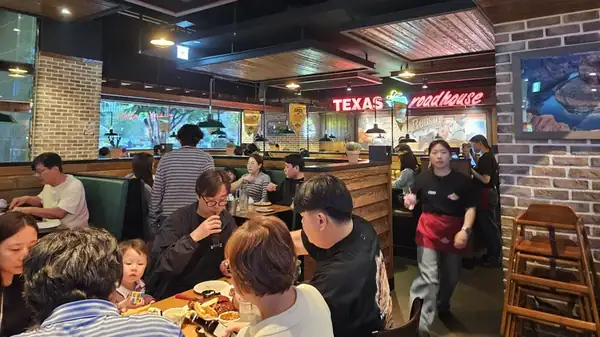
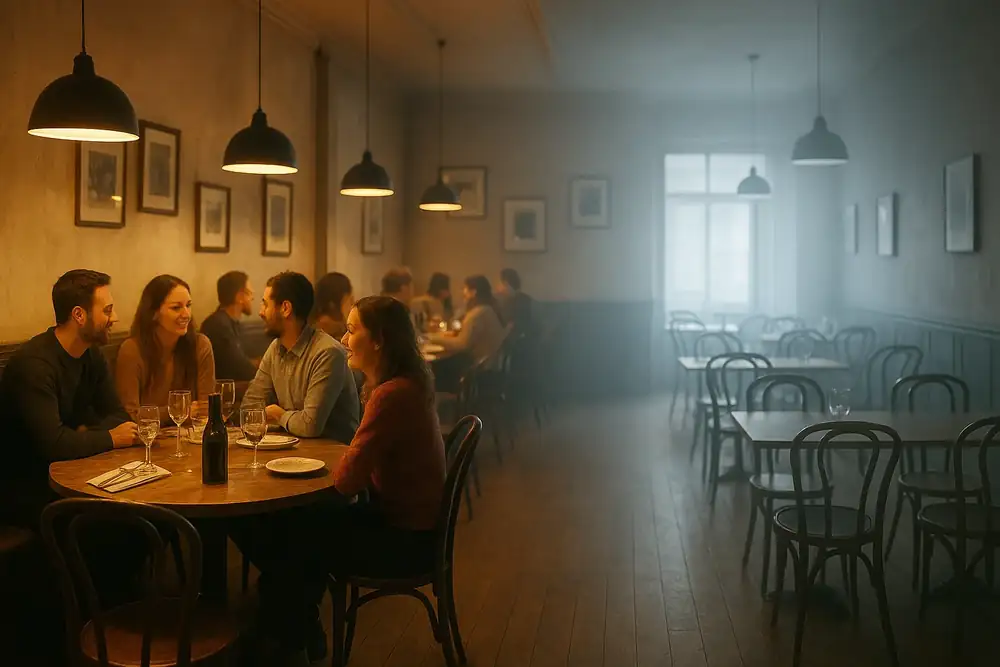
The music, the furniture, the aromas, the lighting—everything contributes to the soul of a place. It's no coincidence that set designers, architects, and purveyors of illusions abound, promising the tempting shortcut to the soul at the cost of money. Sometimes they succeed, but often they don't. The soul, the true soul, is incorruptible, vain, elusive, and, at the same time, demanding. When it senses unchecked money, it retreats. When it perceives an attempt to shamelessly display it in a shop window, it vanishes. When the threads of a Disneyfied decor are visible, it escapes.
Energy.
If we were already discussing the esoteric concept of soul, let's take it a step further; let's add the idea of energy. How soulless are those places where the waiters are suspicious of each other, where the fear of the boss is palpable in every gesture, where there's no sense of community, where a shared beer among the team at the back of the office is unimaginable. It's not about a restaurant being a party with friends, but rather about a healthy energy flowing in the dining room, necessary so that the diner doesn't feel overwhelmed.
The size.
Is it possible to open a huge restaurant, for 200 diners, and still have soul? It is. Is it possible to open a brand with several branches and still have soul? Yes, that too. But it will take a lot of work to achieve it. The smaller, the more personal and intimate a space is, the less standardized, the more it represents the person behind it, the easier it is to find that elusive soul.
The no's.
Sometimes it's easier to understand the absence of soul by looking at elements that shouldn't be there. The monotonous repetition of trendy dishes on the menu assaults the soul, as does the general lack of cleanliness. Arrogance—of the ambiance, the sommelier, the service—the lack of coherence (a restaurant that claims to be Japanese but serves Thai soup), the idle time (the wait for dishes to come out of the kitchen, the delays of indifferent waiters in attending to an order), the lack of originality, the lack of courage—all of these are small attacks on the soul.
Honesty.
The most important thing, the hardest to verify, yet so often easy to perceive. It might be a dive; a dive. It might be a street bar where you can lean against a wall, or a splendid, cheerful, and trendy terrace. It might be a cantina, a traditional eatery, a bistro. It might be a luxury restaurant, an elegant dining room. Even—though it's more difficult—it might be one of those perverse real estate developments located at street level, beneath hideous towers of newly built buildings, with their floor-to-ceiling glass walls, places that, a priori, seem soulless. And yet, all of them can have a soul, as long as the diner believes in the concept, believes in its honesty, perceives that there is love there, sweat and tears, perceives that it is not just a business but a gastronomic intention, that much-maligned hospitality.
This isn't a spreadsheet because, as we said, the soul doesn't lend itself to spreadsheets. Each definition will include examples and counterexamples that confirm and refute each of the characteristics I mentioned. Because, once again, the soul is that elusive and capricious. And it is also that necessary.