
Why you shouldn't put eggs in the fridge door
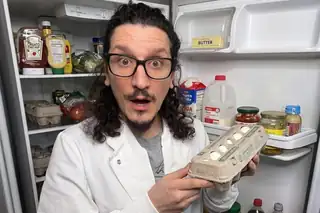
Have you always stored eggs in the refrigerator door? Be careful, you've been doing it wrong. We all use the door compartments because they're convenient and easily accessible, but for eggs, from a food safety standpoint, they're actually the worst place.
The reason is temperature fluctuations: every time we open and close the door, the temperature inside constantly fluctuates, and these variations can cause light condensation to form on the eggshell. The eggshell is porous and protected by a natural film called the cuticle, which acts as a barrier against external agents. Humidity can damage this barrier and allow surface bacteria, such as Salmonella, to pass inside. Even the movement of the eggshell door can be a problem: shaking the eggs can create microfractures in the shell, allowing pathogenic bacteria to pass through.
But then why is there an egg holder in the door in many refrigerators?
The answer is simple: a matter of habit. Eggs were once often purchased loose, and the door was the most practical place to store them without the risk of them rolling. For years, therefore, refrigerator manufacturers continued to include that plastic holder, almost transforming it into a design element, even though, in more recent models, the egg holder is now disappearing.
Why do we often find eggs outside the fridge at the supermarket?
The reason is always the same: avoid condensation. If the supermarket kept eggs in the refrigerator section, condensation would accumulate on the shell during the journey from the checkout to your home, risking damaging the cuticle and encouraging the spread of bacteria. By keeping eggs at room temperature, the supply chain ensures a constant temperature from producer to store.
Despite this, some supermarkets keep eggs refrigerated. Are they doing this wrong? Not really. There's a regulatory reason: the law allows them to be kept refrigerated as long as the temperature doesn't fall below 5°C for up to 72 hours. This allows the store to extend the freshness of the egg without creating such a drastic temperature change that condensation forms when you put it in your cart and take it home.
So why do we have to put them in the fridge at home?
Because once you get home, the journey is over. Storing eggs in the refrigerator, preferably on the middle or bottom shelf, where the temperature is more stable and constant, around 4°C, stops the growth of bacteria and slows the aging of the egg. It's also advisable to leave them in their original cardboard packaging, which helps absorb moisture and protects them from the odors of other foods.
Don't wash eggs before storing them
If eggs are dirty with straw or soil, they should not be washed with water before refrigeration, as washing can damage or destroy the protective cuticle on the shell. To remove dirt, dry cleaning is preferable, using a cloth or paper towel. If they are very dirty and absolutely must be washed, remember to do so only immediately before use, to prevent them from coming into contact with other foods during preparation.
Beware of cross-contamination
Finally, there's one last essential precaution: pathogenic bacteria may be present on the shell. For this reason, it's essential to wash your hands thoroughly with soap and water after handling eggs and avoid letting them come into contact with food or kitchen surfaces.
Even the way you crack eggs can make a difference. While it's something we all do, it's best not to crack them over the edge of the bowl you're cooking in: this risks transferring bacteria from the shell directly into the batter.
Ultimately, small daily actions can make a difference when it comes to food safety, especially in recipes that call for raw or undercooked eggs.