Restoring meaning to heritage
Heritage is a word that can be brilliant, provocative, Manichean, or reductionist. To understand its effects, the basic questions should be answered: Who, how, where, with whom, and for what purpose?
So many efforts have been made to give practical application to the concept of heritage preservation that its analysis is relativistic, but everything shows that good intentions are the road to hell. This is about accepting that, after 15 years since the term appeared as the epitome of some people's struggles and synonymous with something good per se, few know what it's for. It's a concept that disrupts both the individual and the social, and which today permeates many gastronomic initiatives. Few recognize its depth, and many exploit it for economic, political, or personal gain. Worldly interests are inherent in the contemporary gastronomic ecosystem.
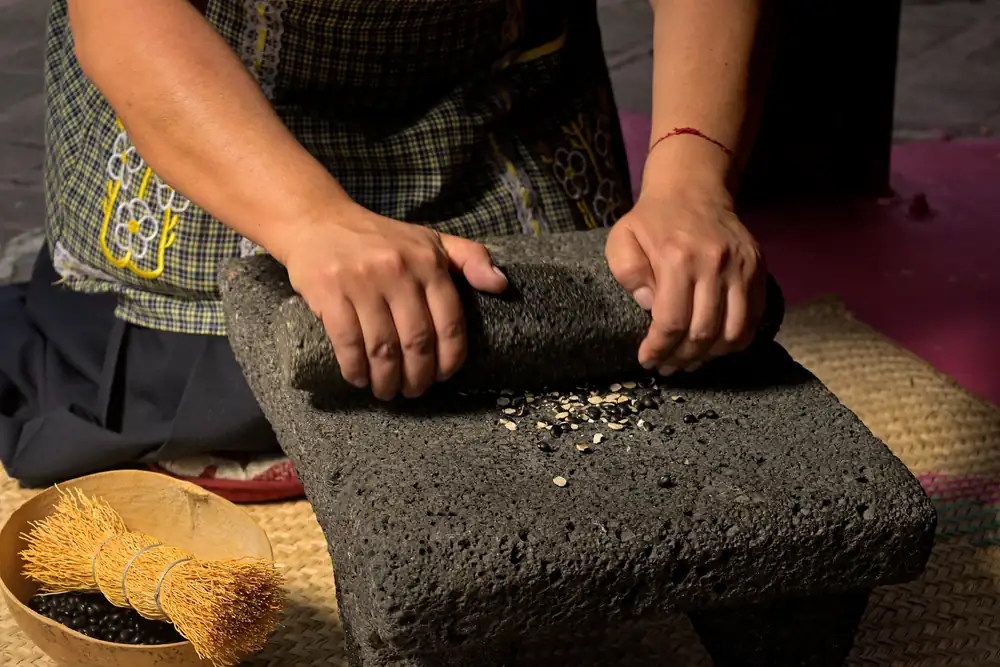
We have all benefited from events that extol the virtues of a Mexican cuisine increasingly disconnected from those who possess this cultural heritage. Because what matters is increasing media impact through flashy productions, ensuring that traditional cooks remain the focus of attention but never the true center of relevance. These folkloric spectacles pervert the use of traditions and contemporary Mexican identity. We are all complicit.
At events celebrating traditional cuisine, women traditional cooks still lack a seat on the stage and are treated with a disdain that reveals the deep-seated classism and racism prevalent in Mexico. These are two of the most profound ills of a society trying to reinvent itself despite its own shortcomings; eradicating them means acknowledging the gaps left after centuries of oppression against those communities now gaining visibility. The original peoples who are now proudly showcased were, until very recently, scorned and relegated to the margins as examples of a simplistic version of Mexican culture. Reconciliation with the indigenous and mestizo past is an obligation for those who have turned cooking into an increasingly prosperous business, and preserving this heritage also means setting commercial limits, curbing the gentrification of historic centers, and not turning into circus acts those who naively offer their services to those who see traditional cuisine as an engine of success and wealth.
Despite being a somewhat distant word, it must be acknowledged that regardless of socioeconomic status, place of residence, or interests related to its use, the term "heritage" is ingrained in the collective unconscious, influencing decisions and actions. Enough years have passed to see the mistakes that were made and to accept that the responsibility for improving the situation lies with young, innovative proposals, not with the same old faces. It seems that the new Mexican vision is only just beginning.