Can manufacturers keep pace with ever-changing reformulation demands?
As the reformulation goalposts continue to move, experts from the American Bakers Association, FDF Scotland’s Reformulation for Health Programme, PepsiCo, the European Snacks Association and 210 Analytics ask whether manufacturers can keep pace.
What happens when the products people love are no longer acceptable?
That’s the question that’s becoming harder to answer as expectations around food continue to evolve.
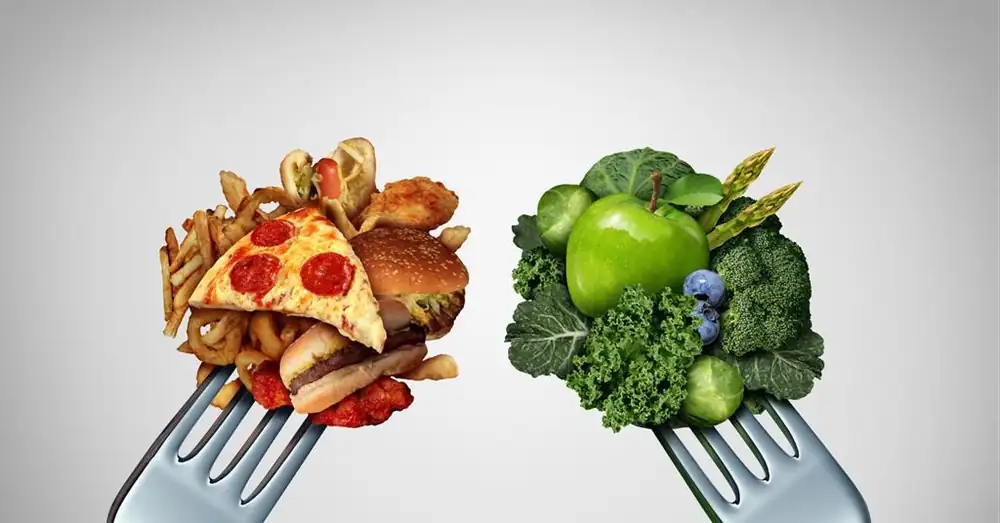
Reformulation has long been presented as common ground between industry, consumers and public health. Today, however, that consensus is beginning to crack as competing demands collide head-on.
The challenge is that the goalposts never seem to stop moving. No sooner has the industry responded to demands for lower sugar, salt and calories than the conversation shifts towards additives, processing, ingredient lists and broader questions about what constitutes healthy food. Manufacturers are being asked to adapt to a landscape that’s evolving faster than many product development cycles, as fresh demands arrive before previous ones have fully settled.
That leaves the industry facing a question that’s becoming increasingly difficult to ignore: how do bakers keep innovating when the definition of ‘better’ never seems to stand still?
The reformulation balancing act
Those competing expectations sit at the heart of Bakery&Snacks’ upcoming webinar, Reformulation – Rethinking recipes for a changing world. Hosted by Bakery&Snacks editor Gill Hyslop, the discussion brings together experts from across industry, policy and consumer research to examine what’s really driving reformulation, what’s working, what’s grinding progress to a simmer and where the industry may be heading next.
We begin with policy because, whether manufacturers like it or not, regulation continues to shape much of the reformulation agenda. From nutrient reduction targets and labelling requirements to growing scrutiny of ingredients and processing, policymakers play an influential role in determining what products look like and how they’re perceived.
Rasma Zvaners from the American Bakers Association (ABA) and Sebastian Emig, director general of the European Snacks Association (ESA), are at the sharp end of these debates. While they represent different sectors and markets, the reformulation pressures facing bakery and snacks manufacturers are increasingly converging as regulatory scrutiny, consumer expectations and political attention intensify on both sides of the Atlantic. We speak to both experts to get to the root of whether policymakers are asking for what’s achievable, whether current initiatives are delivering meaningful progress and if regulation is accelerating reformulation or creating fresh obstacles just as producers begin adapting to the last set of demands.
Consumer expectations are equally important, but often far harder to interpret. Anne-Marie Roerink, Principal at 210 Analytics, spends much of her time separating consumer aspiration from consumer behaviour, and whether the industry is correctly reading the signals.
This isn’t an easy task. Consumer demands frequently collide with commercial reality. Shoppers increasingly call for healthier options, cleaner labels and simpler ingredients, yet they continue to prioritise taste, value, convenience and familiarity when standing in front of the shelf. Adding another layer of complexity is their willingness to splash out on indulgence, whether that’s a premium pastry, an artisan sourdough, an extravagant doughnut or a limited edition creation. Understanding where aspiration ends and purchasing behaviour begins has never been more complicated – or more important.
The webinar also examines what reformulation looks like in practice. Joanne Burns, manager of FDF Scotland’s Reformulation for Health Programme, shares lessons from years of working directly with manufacturers across sectors including bread, bakery, snacks and confectionery. Her experience offers a practical perspective on what meaningful progress really looks like and why delivering change is often far more challenging than it appears on paper.
Policy, consumer expectations and public health goals may dominate the headlines, but innovation is where many of the industry’s biggest battles are being fought.
Joining the webinar, Elizabeth Crawford, senior editor of FoodNavigator USA, speaks with PepsiCo’s Kiran Annapragada, SVP R&D, Global Capabilities & North American Foods, about the realities of reformulating at scale. As demands for healthier products continue to intensify, how does a global food giant make meaningful changes without compromising taste, performance or consumer appeal?
What happens when the rules keep changing?
If reformulation was once largely centred on sugar, salt and fat reduction, today’s debate has broadened considerably. Processing, additives, ingredient transparency and food classification systems are increasingly influencing public discussion, political agendas and consumer perceptions, creating fresh uncertainty for manufacturers trying to plan for the future.
Together, the panel examines whether these expectations are realistic, whether reformulation is delivering the meaningful results that policymakers, public health advocates and consumers are demanding, and how manufacturers can continue innovating when the target appears to keep moving.
What began as a discussion about sugar, salt and fat has evolved into a much broader debate about ingredients, processing, transparency and trust. For manufacturers, keeping pace now means far more than changing recipes.
Join us on Thursday 25 June 2026 at 4:00pm CEST (Paris) for this 60-minute discussion featuring experts from across the bakery, snacks and wider food and drink industries. Registration is free and the webinar will remain available on demand for three months.
The webinar is sponsored by Givaudan Colour Sense, GNT Group, Ingredion, MicroDried Fruits and Vegetables, and Tate & Lyle. Attendees will also be able to access additional resources and materials shared by the sponsors throughout the event.