Maximilian Riedel: “There isn’t a week that goes by without someone from Spain asking me if we’re going to design a porrón”
They're not a winery, nor do they own vineyards, but few family dynasties are more closely linked to the world of wine than the Riedels.
Standing on a small stage before 200 people in two sessions at the Majestic Hotel in Barcelona, Riedel quickly won over the audience. He had a firm grasp of timing and delivery, and, like a skilled salesman, he soon convinced those in the audience. And that's despite the fact that many were undoubtedly skeptical of his idea that, for example, a Riesling glass is terrible for a good Chardonnay, while a glass specifically designed for this variety would make it truly shine. Despite the understandable initial doubts, most of us left as believers.
How does it work? “The only way to explain it is to try it,” he tells us a few minutes before the seminar begins. “To test it, the wines can be from anywhere, but they have to be single-varietal,” he explains.
Skeptics and believers
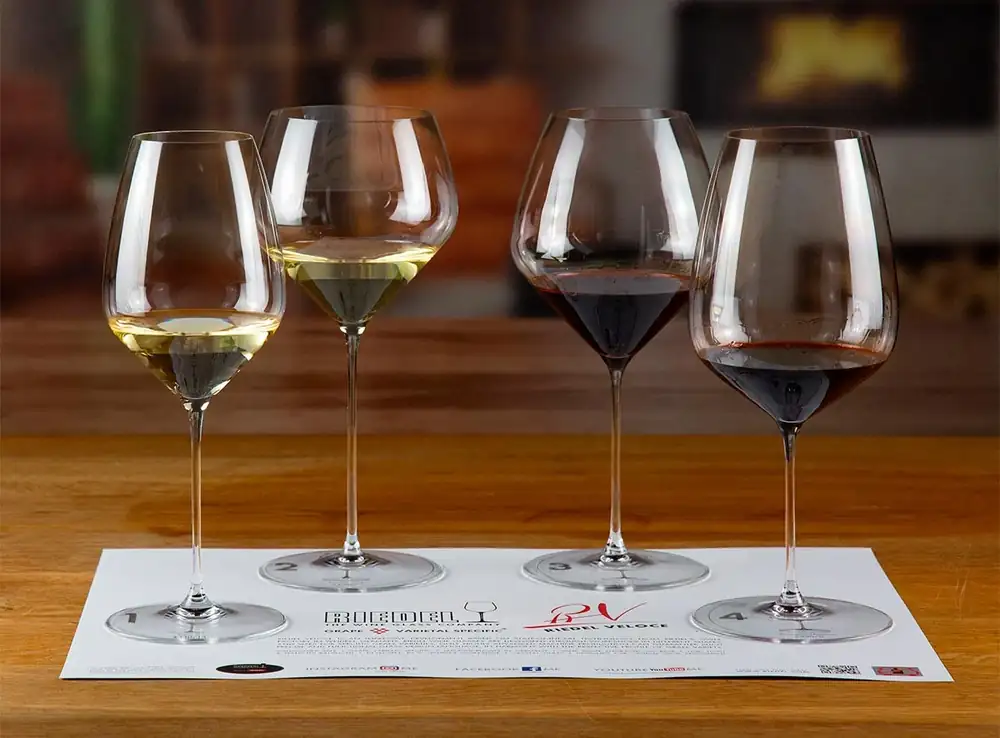
“You’re going to smell a wine in three or four different glasses and you’ll be surprised by the difference. And the taste too. That’s how you become a believer. I can change the perception of a wine. We don’t change the liquid, it’s the same wine and the same temperature, it’s just the glass,” he explains passionately. And that’s exactly what he does on stage, with a conviction that dispels any doubt.
A guided tasting is always somewhat influenced by whoever sets the pace and detects aromas of summer fruits, hay, or whatever. But the truth is that the wines served—"all French, so as not to upset any Spanish producers for being left out," he clarifies—change depending on the glass used. They are excellent wines, bottles that cost between 50 and 100 euros in stores, but some glasses dull their character, while others bring out their full splendor.
It's a matter of the height of the cup, the opening at the top, the shape… The development process for these varietal cups begins by checking if any of the existing designs work with another grape variety. If so, a new design isn't necessary; otherwise, a new one must be created. “And that's great news,” he jokes, like the great salesman he is.
Is a good wine worse in a bad glass? “It’s much more serious; a glass can ruin a wine,” he warns. “I could serve you a Pingus in a blind tasting in a bad glass, and you’d tell me it wasn’t good. When a wine isn’t well-received, the blame is placed on the wine itself, the vintage, the storage, the serving temperature… but the glasses are never mentioned, even though they could be the cause.”
In search of the perfect cup
Beyond the understandable curiosity this wine tasting sparks, Maximilian Riedel knows that a large part of his audience consists of hospitality professionals. And that the goal is also to sell more wine, something he emphasizes when demonstrating the virtues of his glassware and reminding them that they encourage ordering another glass.
Or another bottle, he assures while showing one of his decanters and encouraging the sommeliers to try the “shock decanting”, a system that greatly oxygenates the wine and which, in his opinion, can help the young red wines that are usually consumed in Spain.
But, thinking about the average consumer, is there a glass that will work for any wine we open? It's a good thing we asked the question before the seminar; afterward, it would have been unforgivable. But, just in case there was any doubt, the answer is a resounding no. Given that most people can't afford several sets of Riedel glasses at home to suit every variety, here's an idea: choose glasses for the type of grape you like best. There isn't a specific glass for Tempranillo, the most classic variety among the country's great reds, but Shiraz glasses will do, he explains.
But he resists the idea of a single glass. “How many pairs of shoes do you own? Aren’t they all different? Let’s stop trying to simplify wine, because it’s complex. That’s why we’re losing young people, because it’s complicated. But those who like wine, like that complexity.”
The Riedel pitcher
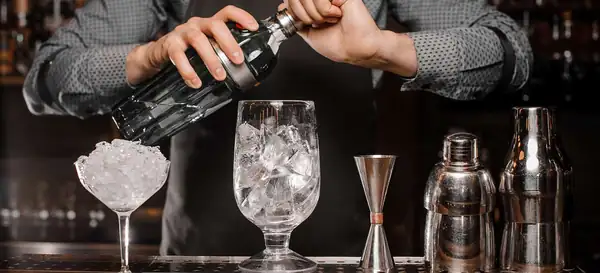
Although wine glasses are the star of the show, Riedel also produces whiskey glasses, cocktail glasses—where the key is ice, he explains—beer glasses, and even developed coffee glasses in collaboration with Nespresso. And wine glasses, which often comes as a surprise. “They work exactly the same as a wine glass; the stem and base don't affect the experience,” he points out.
If you can drink wine from a glass, can you also drink it from a porrón? He smiles at the mention of the porrón. “Every week I get several emails from Spain asking if we’re going to develop one at Riedel,” he says. The short answer is no. The long answer: “The porrón doesn’t do justice to expensive and complex wines. I take wine very seriously; it’s my business, it’s my life. The function the porrón serves now is already adequate; I can’t do it any better.”
So it doesn't seem like the Riedel porrón is in the brand's plans. Instead, however, they've unveiled a spectacular decanter called the Swan, which might vaguely remind you of the porrón, although it doesn't look easy to drink from. Perhaps it's just a matter of practice. It costs around 400 euros, in case anyone's tempted to try it.