Eat from the market
Eating and serving food in markets is by no means a modern phenomenon. Cities existed before houses had rooms for cooking, and it's possible that thousands of years ago in Uruk, Byblos, Aleppo, Ur, Luxor, or Jericho, people selling food to those who lacked the means and tools to prepare it at home set up shop in thoroughfares, much like the first markets.
Markets in Asia and Latin America are places where people eat as much as they buy ingredients. In Morocco, it's common to find vendors selling snails, stewed broad beans, or seasoned chickpeas, and if you go to any nearby restaurant, you'll likely see the owner leaving with a basket after taking your order to buy what's needed to prepare your dishes. Now that's slow food. "Haste makes waste," they'll say if any tourist complains.
Italian markets are almost inseparable from stalls selling cooked or roasted offal, served on plates or between bread. In some coastal areas, sea urchins, bivalves, crustaceans, and squid are cut up and plated to be eaten raw right there at the stall. If we consider what Carolyn Steel recounts in 'Hungry Cities,' we can conclude that, in reality, apart from the inhabitants of mansions with dedicated kitchens and staff, until the mid-19th century, most of the urban population cooked little or nothing at home. Home-cooked food is a very recent concept.
Spain has developed a street food culture somewhat different from that of other countries, where the quintessential institution was (and still is) the bar, an enclosed space where alcohol consumption contributed to socialization, and where food went from playing a secondary role to founding an entire culture: that of tapas or pintxos. Street food, strictly speaking, lacks relevance; we find it inconvenient and unnecessary.
As for Spanish market bars, most were founded with the aim of feeding the people who worked in the market itself: simple breakfasts and snacks to stave off hunger or accompany a drink during their work. I've known some magnificent market bars that were wonderful despite their lack of ambition. In the Mercado del Carmen, located in the ancient El Perchel neighborhood of Málaga, the only bar before the renovation relied on low-value fish that the fishmongers couldn't sell to customers. That bar worked wonders with just a fryer. In the Ceuta market, the bar cooked whatever arrived at the port that day; by eleven in the morning, the aroma of bonito stew or mackerel Moorish-style was making everyone's mouth water.
The residents of opulent Marbella know that one of the city's true luxuries is hidden in the Central Market, a modern and unassuming building adjacent to the center. It's Fiesta, the "market bar," where you can have anything from a paella or a shredded beef roll to having the prawns you just bought at the fishmonger's prepared for you.
As markets fell into disuse as centers for food supply, alternatives began to be devised to capitalize on their strategic locations. The gourmet market has been a failed concept due to its lack of connection with the surrounding ecosystem, its lack of comfort, and the limited scope of its offerings, often controlled by franchises. In most cities, these ventures remained speculative projects where bankrupt operators and city councils (ultimately, citizens) ended up footing the bill.
In some cases, the spontaneous transformation of markets into restaurants and food stalls has saved the livelihoods of stallholders and attracted tourists. The arrival of immigrants from countries with a strong market tradition has revitalized languishing markets. Others have been reborn thanks to trained and ambitious chefs who have transformed markets into gastronomic spaces. Prices may no longer be affordable, and in many cases, the umbilical cord of sourcing from other stalls may have been severed, but these are genuine, organic ventures that undoubtedly set the pace for what's to come.
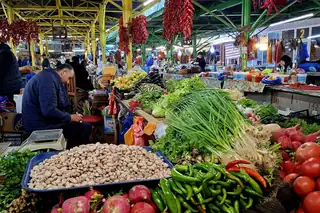
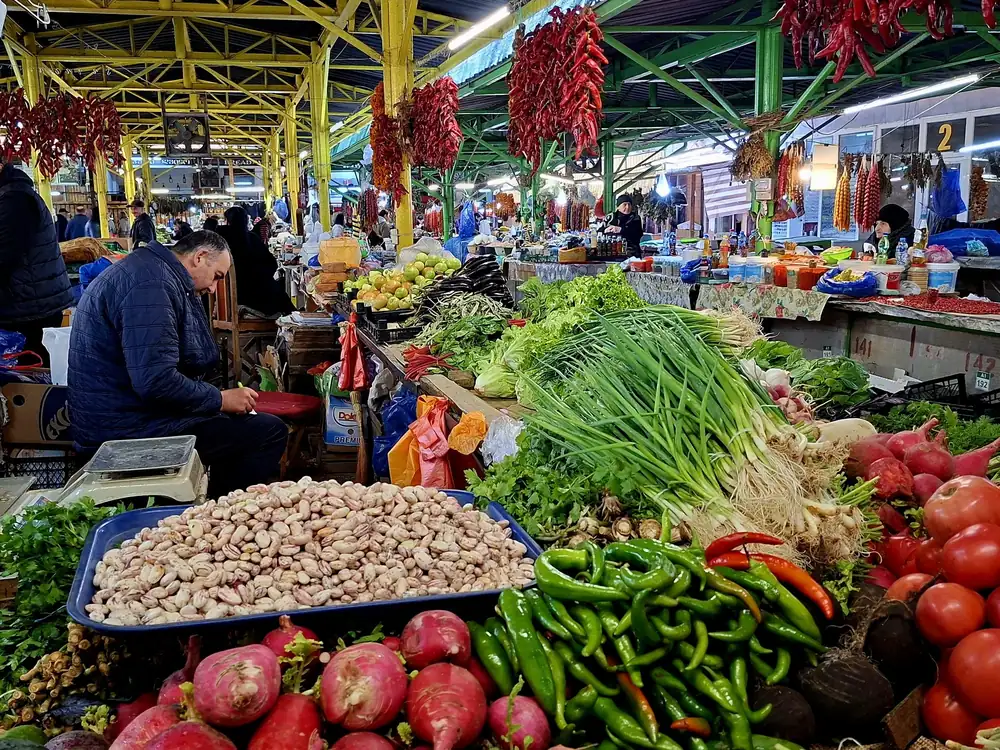
For those of us who have experienced food markets as microcosms brimming with diversity and abundance, both of people and fresh food; overflowing with the colors and aromas of harvests from the sea and the land (and, at the end of the day, their decay), it's impossible not to feel a pang of sadness watching this age-old trade model gallop toward extinction. Markets, like all living things, follow Darwinian theory. Or, if you prefer, in the countryside, you sow what makes money. "We used to live off local customers, now we live off tourists," my old butcher reasons from behind the counter of his stall, where raw meat has been replaced by takeaway dishes. I sigh and waver between anger and resignation. My great-grandmother used to say that when you stop understanding the world, it means you've grown old.