How the heat is driving down fruit and vegetable prices
It's an ill wind that blows nobody any good; for example, these 38-degree temperatures are saving us money. Let's look at it this way: that five-figure sum we'll find on our electricity bill for overusing the air conditioning will be offset slightly by the fact we spent less on zucchini.
Ansa has brought us data from the Italian Telematics Commodity Exchange (BMTI) and Italmercati, with the support of Consumerismo No Profit. The interesting finding is that the price of vegetables is falling, after months of constant increases, due not only to general inflation, but also to the less than rosy international situation, including the (former?) closure of the Strait of Hormuz, resulting in a shortage of raw materials and skyrocketing fuel and fertilizer prices.
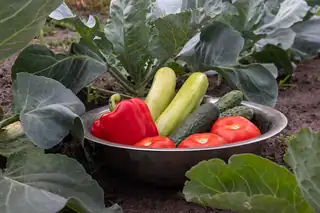
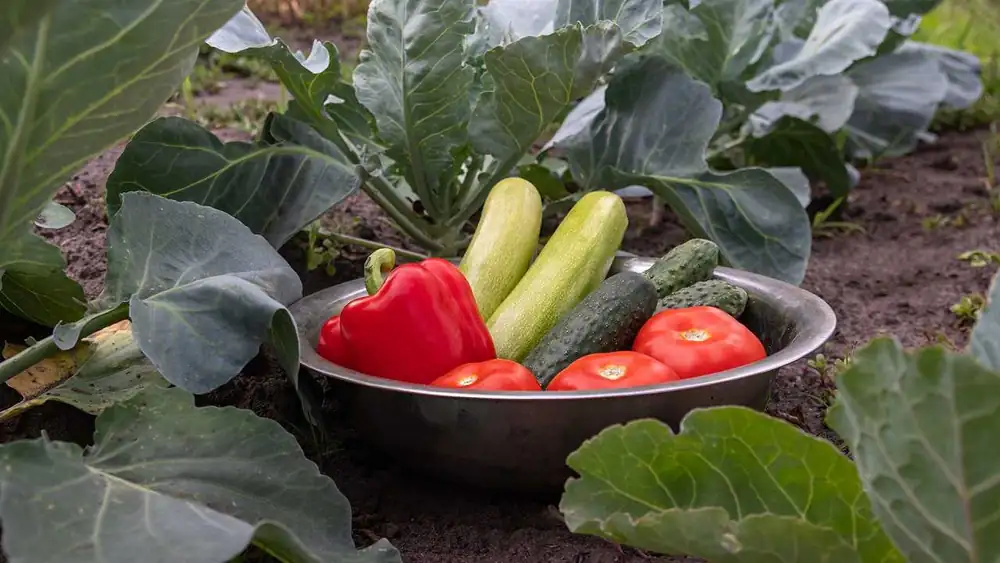
Some vegetables, in particular, are significantly cheaper than in recent weeks: zucchini, for example, are experiencing overproduction with the high temperatures, which has led to an 11% drop in wholesale prices this week, with prices now falling to around €0.80 per kg. Hand-picked green beans have also seen another significant drop, now selling for €3 or €4 per kg at most. And finally, peppers: Roman peppers are now in season, whereas Sicilian ones were selling at the beginning of June; the change in producing region—along with the change in climate—has led to a significant price drop: in one week, they went from €3 per kg to €1.30 per kg.
For fruit, the situation is even better: cherries, which come to our market from Spain, as well as from many other parts of Italy, have seen a 21.8% drop in price compared to last year. Watermelons follow closely behind, with an 11.5% drop, and apricots, with a 9.2% drop.
Where do these numbers come from and how do they really impact our spending?
The data in this bulletin not only relates to wholesale prices, but also to seasonal varieties and origins, such as the note on peppers from Lazio, rather than Sicily, which hit the market at the end of June. Another note from recent weeks concerns cherries: Bigarreau cherries are ending their season, while Giorgia cherries, Ferrovia cherries from Puglia (highly sought-after in recent years), and Durone cherries from Veneto are just beginning.
However, wholesale costs must be supplemented by a markup, which at the greengrocer's can reach peaks of 150-170% depending on the vegetables' origin, and therefore includes transportation costs and all other expenses incurred by a store. Markets and supermarkets obviously have slightly lower markups. This information is useful for orienting your spending or ensuring that your "trusted" greengrocer adjusts their prices to the market.
A side note, one we often forget to make. For those of us who, like this writer, buy most of our fruit and vegetables directly from farmers, we know that summer is by far the most difficult season for working in the fields, and the very high temperatures, while boosting yields, also greatly complicate human labor, which is never factored into these calculations.