It was sugar (not meat) that made us human
Fruit and honey first, then grains: these, and not so much meat, were the foods that allowed the hominids' brains to grow so rapidly, and thus made us human. This is according to a scientific study that analyzes evolution over 4 million years, completely overturning long-held beliefs and saying goodbye to the so-called…
The Legend of the Carnivorous Man
The dominant narrative, even within the scientific community, is that we are what we are thanks to meat. Of course, this narrative has various strands: at one extreme, there's the more macho and simple-minded one of man as a hunter, who, thanks to the ingestion of large quantities of meat, perhaps raw, makes an evolutionary leap and becomes increasingly stronger and more intelligent until he dominates the world.
On the other hand, the more realistic and data-driven interpretation sees Homo sapiens emerging from the lineages of apes and hominids thanks to proteins, obtained in various ways: initially, since our physical conformation is not exactly that of a fearsome predator, we primarily fed on insects and carcasses, that is, the leftovers from hunting by other animals. Carrion eaters already sounds less epic, eh? But this myth too is destined to be debunked.
Big brain, big brain
One thing is certain: one of the hallmarks of our species is the size of our brain, and its energy-hungry nature. If we compare our 1.5-kilogram brain to that of an australopithecine, whose weight reached 300 grams, the leap is striking. But there's an even more striking fact: despite weighing just 2% of the total body weight (in an adult), the brain consumes 20% of our basal metabolism, that is, all the energy we need, and a whopping 66% in children. We don't yet fully understand how this works, but we do know what fuels this energy-expensive organ: glucose.
It is precisely from this consideration that the study's authors developed their highly original method. A few years ago, a scientific study identified starches as the primary driver of brain growth in evolution. However, that study was based on the discovery of bacteria in our ancestors' teeth, which indicated the presence of sugars. This study, however, employed a more refined and broader approach, taking into account the diets of apes and hominids over the past 4 million years.
Fruit and honey, bread and soup
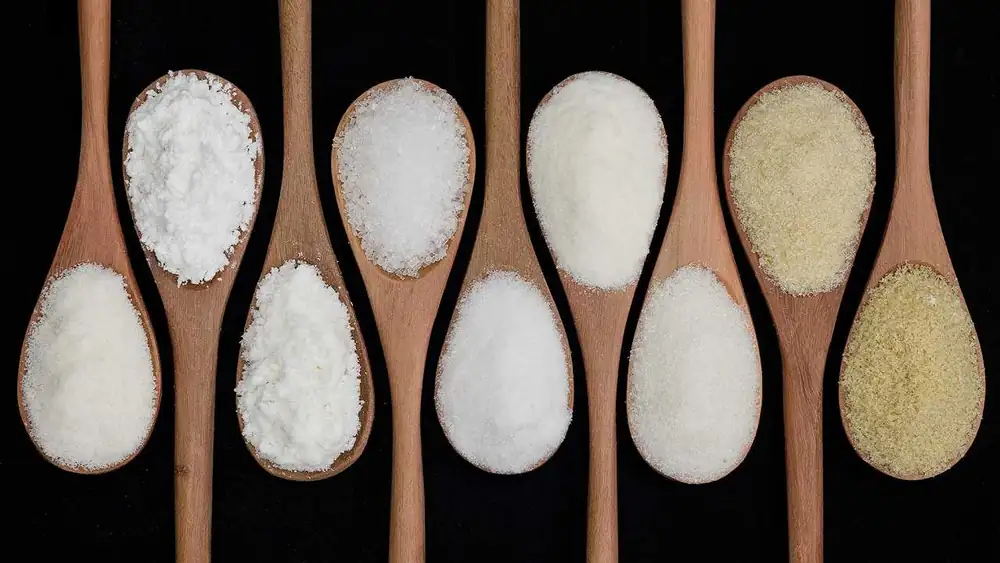
The study considered various diets, similar to those of our ancestors at various stages of evolution: from that of a chimpanzee, who gets most of his caloric intake from plants, to that of a contemporary hunter-gatherer, in which the ratio between animal- and plant-based foods tends to be equal. The required glucose intake was then calculated in the various species, considering how it is distributed among the various organs. Finally, it was deduced from which foods—considering the historical knowledge of the various eras—these intakes could be obtained. The conclusion is that early hominins obtained more than 65% of their energy from fruit and other sweet foods, such as honey (not farmed, of course!). Later, when we began to master fire and develop the first embryonic forms of stone use, cooking and grinding began to make the sugars present in starches available. And so we moved on to cereal soups, the first very coarse flours and very tough loaves of unleavened bread.
These deductions are confirmed by a series of parallel clues, such as the shape of teeth and jaws, the functioning of the intestines, genetic variations affecting glucose metabolism, and especially sweet taste receptors. These receptors, as we all know, are so highly developed that they have led us, today, when sugars are no longer found at the top of trees or in dangerous beehives but conveniently accessible on supermarket shelves, to other types of evolution.
- Percentages: 2% · 20% · 66% · 65%
- Figures: 2% · 20% · 66% · 65%