The Burger Scene Is Booming, but Competition Is Heating Up
New burger concepts are popping up across Budapest and other major Hungarian cities. What looks at first glance like a thriving scene, however, comes with serious economic pitfalls. As restaurant owners complain about soaring wages, higher ingredient costs and rising rents, more and more players are entering the market…
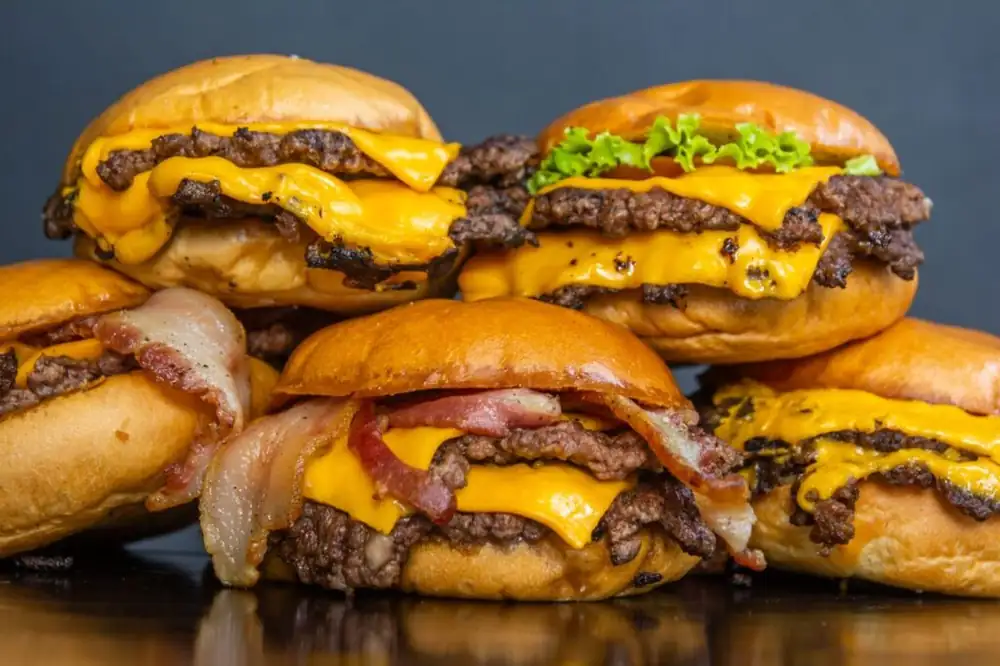
The situation is reminiscent of an earlier boom. Hungary experienced a burger craze around 2011 and 2012, when the number of gourmet burger restaurants grew from a few dozen to several hundred in a matter of years. Many newcomers underestimated the realities of running a business, leading to a brutal market shakeout, followed by COVID-related closures that further thinned the field. Now the next wave is here — led by the smash burger craze. At first glance, the concept has relatively low barriers to entry:
- Focused menus: Two or three core products with slightly different ingredients may be enough.
- Social-media appeal: Thin, crispy smashed patties and melting cheese make ideal content for Instagram and TikTok.
- Aggressive price competition: Some customers want a quick, uncomplicated snack, while others are willing to pay more for premium ingredients.
But that very hype carries risks. A viral video or a successful launch does not guarantee long-term survival. The initial appearance can be deceiving. Early on, a substantial amount of startup capital can provide a cushion, while owners often work 60 to 70 hours a week behind the grill themselves — without accounting for the cost of their own labor at market rates.
At the latest, once grace periods expire after two or three years, taxes and other charges begin to weigh fully on the business, expensive kitchen equipment requires maintenance and renovations become necessary, the numbers can quickly stop adding up. Businesses that cannot offer competitive salaries also risk losing the staff they need. A polished online image rarely matches the numbers in the annual accounts.
The development of Bamba Marha Burger shows that long-term success requires a different strategy. Founded in 2015, the company deliberately expanded to its current 11 restaurants. Rather than pursuing a rapid franchise model, the team consciously chose to operate all locations itself:
- Consistent quality: Centralized management of all locations ensures consistent service and a reliable customer experience.
- Investing in what customers do not see: The company prioritizes fundamental infrastructure such as ventilation, refrigeration and exhaust systems that improve comfort for both guests and employees, rather than purely cosmetic upgrades.
- Fresh supply chain: Freshly ground meat delivered daily and buns baked each morning by local partners, instead of imported frozen products.
- Professional quality control: Dedicated procurement and quality-management teams monitor standards across a daily volume of more than 2,500 burgers.
The pandemic was a major turning point for the market as platforms such as Foodora and Wolt became dominant forces. In the past, foot traffic often determined where customers ate on a whim; today, users compare hundreds of options simultaneously on delivery apps. These apps effectively function as price-comparison engines, where discounts, delivery times and visual appeal determine which listing gets the click. At the same time, platform fees eat into margins, while quality losses during delivery are difficult to prevent even with optimized packaging.
The market is heading toward consolidation. There are hardly any profitable locations left in the Budapest city center, so future expansion is expected to shift increasingly toward outer districts and county capitals. Burger shops are also no longer competing only with one another but with the entire fast-casual segment, from Neapolitan pizza to Asian concepts. In the end, survival is determined not by the number of Instagram followers, but by hard numbers and customer loyalty.
Anyone opening a restaurant today needs more than a grill and a stylish logo. Without a multi-year financial cushion and solid business discipline, the market shakeout ahead could push many establishments off the map once again. Via Világgazdaság, Featured image: Pexels
- Who: Bamba Marha Burger · Pexels At