Common nutrition myths debunked
WITH so much nutrition advice available online, it can be difficult to separate facts from fiction.
“Unsaturated fats found in foods such as avocados, nuts, seeds, olive oil, and fatty fish can be part of a healthy eating pattern.”
One day carbohydrates are labelled as the enemy; the next, fats are blamed for weight gain. Popular diets, social media trends, and conflicting advice can leave you wondering what you should actually eat.
“Good nutrition doesn’t have to be complicated,” insists nutritionist Helen Buckley-James. “Many commonly repeated food and diet claims are based on outdated information, misunderstandings or oversimplifications, so you have to weed out what is fact and what is myth. That’s the only way to make healthier, more balanced choices without unnecessary restrictions.”
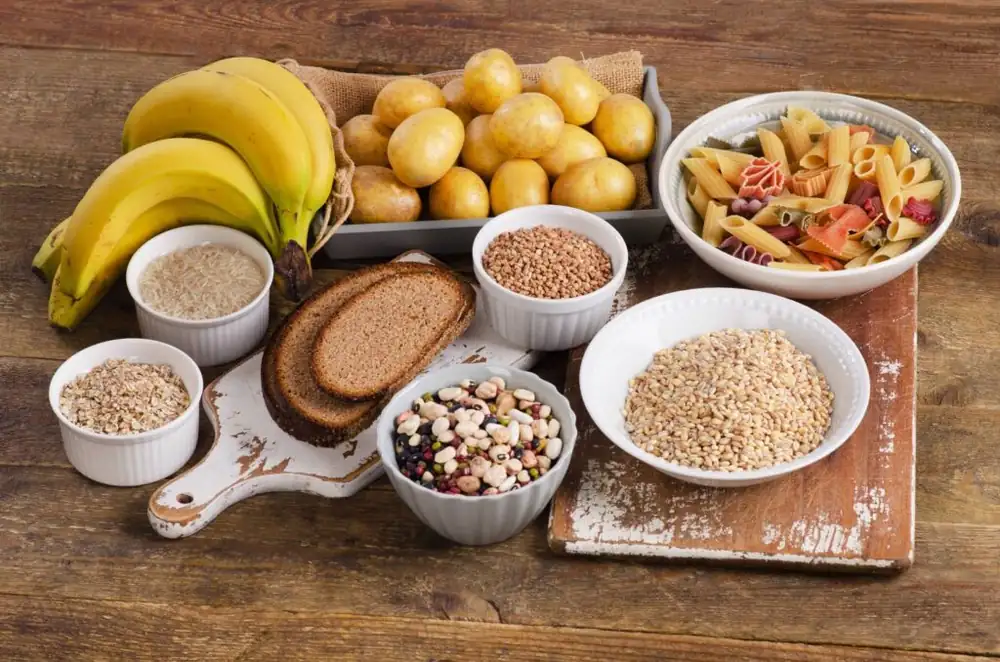
Buckley-James said these myths include that carbohydrates make you gain weight, that you have to avoid fats to be healthy, and that fresh produce is always better than frozen. “The truth is that for carbs, for example, these are an important source of energy for the body,” she said. “Weight gain is influenced by overall calorie intake, eating patterns, activity levels and many other factors.”
She says the most important move is to choose nutritious carbohydrate sources and pay attention to portions. Moreover, your body needs fats for energy, hormone production, cell function and absorption of certain vitamins, Buckley-James explained. “Unsaturated fats found in foods such as avocados, nuts, seeds, olive oil, and fatty fish can be part of a healthy eating pattern.”
She says rather than eliminating fat completely, you should focus on the type and amount you consume. Another myth that is quite controversial, in the choice of fresh produce over frozen.
“Indeed, frozen produce can be highly nutritious. Fruits and vegetables are often frozen soon after harvesting, which can help preserve their nutrients. Frozen options can also be convenient, affordable, and available year-round.
The most important thing is getting enough fruits and vegetables into your diet,” Buckley-James said. Here are some other myths, and the facts explained. Myth: You need to detox your body and detox teas, juices, and special diets are necessary to remove toxins from your body.
Fact: Your body already has systems, including the liver and kidneys, that help process and eliminate waste. There is generally no need for expensive detox products or restrictive juice cleanses.
Instead, support your body’s natural processes by eating a balanced diet, staying hydrated, getting enough sleep and maintaining healthy habits. Myth: Brown sugar is much healthier than white sugar.
Fact: Brown sugar and white sugar are nutritionally very similar. Brown sugar contains small amounts of molasses, which gives it its colour and flavour, but it is still an added sugar.
Whichever type you choose, moderation is important. Myth: High-protein foods are only important for bodybuilders.
Fact: Everyone needs protein. It helps build and repair tissues and supports important functions throughout the body.
Protein can be found in foods such as eggs, fish, chicken, dairy products, beans, lentils, nuts and seeds. Your individual protein needs may vary depending on factors such as age, body size, activity level, and health goals.
Myth: Gluten-free foods are healthier for everyone. Fact: Gluten-free diets are medically necessary for people with conditions such as caeliac disease and may be appropriate for some people with other gluten-related disorders. But there is no general requirement for everyone else to eliminate gluten.
In fact, some packaged gluten-free foods can contain more added sugar, fat or refined starch than their regular counterparts. Going gluten-free isn’t automatically the same as eating healthier.
“Nutrition doesn’t have to be about following extreme rules or fearing certain foods,” Buckley-James emphasised. “The goal isn’t to eat perfectly, it’s to build a way of eating that is nutritious, enjoyable and sustainable for the long term.”