Sports nutrition after 50: expert advice
To stay in shape, you need to exercise: sports nutrition after 50
“Uno degli errori più comuni dopo i 50 anni è continuare a seguire strategie alimentari ormai superate o eccessivamente restrittive. Mangiare troppo poco nella convinzione di “attivare il metabolismo”
After age 50, exercising and staying active represent a real investment in your well-being, health, and overall quality of life. But to continue training vigorously, promote recovery, and preserve muscle mass, diet also plays a fundamental role.
Sports nutrition after age 50 requires extra attention and must be tailored to the needs of both men and women. What should you eat before and after training?
Which nutrients should never be lacking? And what are the most common mistakes to avoid? To shed light on sports nutrition after 50 (for both men and women), we spoke with Dr. Maria Letizia Scaglioni, a nutritional biologist and expert in sports nutrition and longevity, who offers a neurofunctional approach.
The expert collaborates with the SoLongevity Clinic, where she focuses on precision nutrition applied to sports, performance, and prevention. What are the differences in sports nutrition for men and women after age 50?
"After age 50, nutritional differences between men and women become more pronounced, primarily due to hormonal changes," says nutritionist Maria Letizia Scaglioni. "In women, menopause brings a reduction in estrogen, which translates into a greater tendency to lose muscle mass, accumulate visceral fat, and reduce insulin sensitivity. This makes it essential to eat a diet that focuses on the quality of nutrients, particularly proteins and healthy fats, as well as an adequate intake of calcium and vitamin D for bone health."
"In practical terms, this means regularly including foods like dairy products (yogurt, kefir, parmesan), oily fish (sardines, mackerel), eggs, and green leafy vegetables (kale, arugula, spinach)," says the expert. "In men, the decline in testosterone is more gradual, but it can still affect muscle mass and body composition.
In this case, the focus is more on maintaining lean mass and preventing sarcopenia through adequate protein intake and strength training. In both sexes, the goal is not just performance, but maintaining functionality and quality of life over the long term.
How does metabolism change after 50, and what should you eat for exercise? "As we age, our metabolism tends to slow down, primarily due to a reduction in muscle mass, which is metabolically active.
Added to this is a reduced efficiency in nutrient utilization and increased anabolic resistance, meaning a reduced ability of the muscles to respond to nutritional and training stimuli. For this reason, it's not correct to simply "eat less," but rather to eat better and more strategically.
A diet after age 50 should be based on proteins distributed throughout the day, quality carbohydrates, adjusted based on physical activity, healthy fats with anti-inflammatory properties (extra virgin olive oil, nuts, flaxseed or chia seeds, salmon, and mackerel), and nutrient-dense foods rich in vitamins, minerals, and polyphenols. In particular, athletes should avoid training while chronically fasting and ensure adequate energy intake to support training and muscle recovery.
Diet for athletes over 50: menus for him and her «There is no one-size-fits-all diet, but rather a personalized approach based on needs, body composition, and type of activity.
An effective model is the Mediterranean one, developed with a sporty and functional focus. The difference between men and women will be primarily in the quantity and distribution of energy, rather than the type of food," says the expert, who suggests a typical menu for those who exercise at 50.
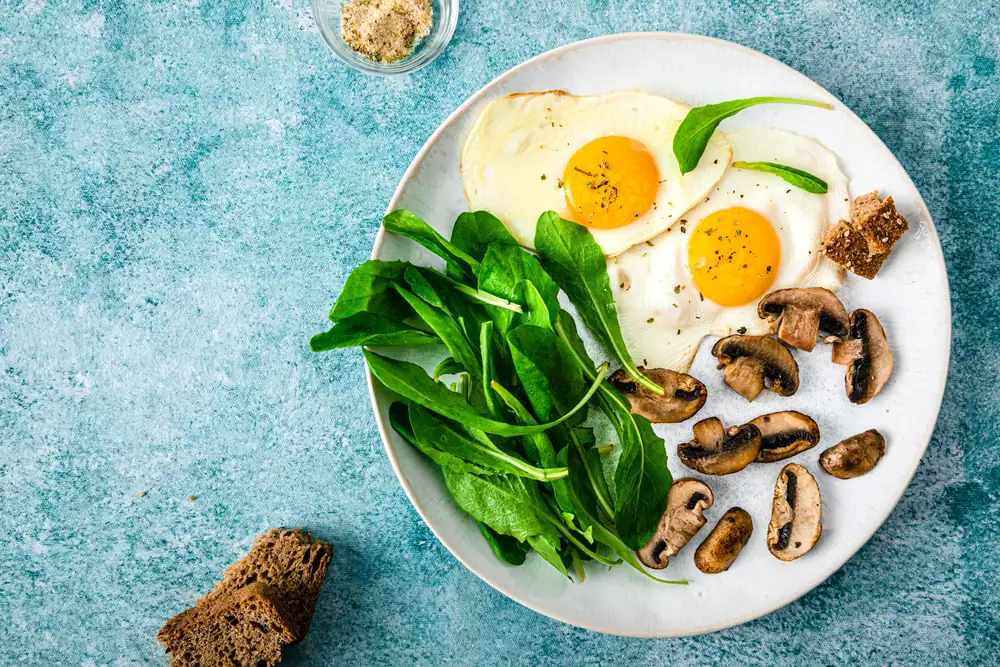
Breakfast: Greek yogurt or kefir with fresh fruit, oatmeal, and dried fruit, or whole-wheat bread with eggs or ricotta and walnuts. Lunch: Rice, farro, or quinoa with chicken or fish, vegetables, and extra virgin olive oil; alternatively, legumes combined with grains.
Snack: A piece of fruit with yogurt or a small amount of protein. Dinner: Oily fish, lean meat, or eggs with vegetables and a portion of carbohydrates (potatoes, bread, or cereal); alternatively, a legume-based dish with vegetables and cereal.
What to eat before and after training after 50? "Nutritional timing becomes even more important as you age.
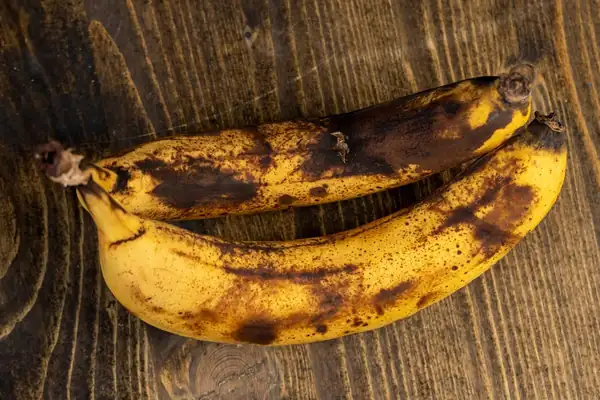
Before training, if the meal is eaten 30-40 minutes before, it's best to choose easily digestible carbohydrates like bananas, toasted white bread with honey, or 100% fruit juice. If you have more time, about an hour or an hour and a half before, you can also include a portion of protein, for example, yogurt with fruit, kefir with cereals, or bread with ricotta and honey," says nutritionist Maria Letizia Scaglioni. "After training, the priority for both women and men is recovery, replenishing energy stores and stimulating protein synthesis.
Greek yogurt with fruit, eggs with bread and vegetables, or a complete meal with cereals, protein, and vegetables are all good options. Skipping this step can compromise recovery and, in the long run, muscle mass.
What supplements are useful for athletes over 50? Supplements can be a valuable ally after 60, but they're no substitute for a balanced diet.
"They only make sense when a well-planned diet fails to fully cover the body's needs or in the presence of specific, identified deficiencies," says the expert. "Among the most studied supplements for this age group are protein powders, useful when it's difficult to achieve the correct protein intake through food alone; creatine, which can help maintain strength and muscle mass and also shows cognitive benefits. And then there's vitamin D, essential for bone health and the proper functioning of the immune system; and omega-3s, appreciated for their anti-inflammatory action and metabolism support."
In specific situations, your doctor or nutritionist may also evaluate the possibility of supplementing with magnesium or a multivitamin. The choice, however, should always be personalized and based on your medical history, any ongoing therapies, and blood tests, avoiding a do-it-yourself approach.
What mistakes to avoid in sports nutrition after 50? "One of the most common mistakes after 50 is continuing to follow outdated or overly restrictive eating habits.
"Eating too little in the belief that it will "boost your metabolism," for example, can have the opposite effect, promoting muscle loss and further slowing energy expenditure," says the expert. "Another common mistake is neglecting protein intake, especially at breakfast, or eliminating carbohydrates altogether, depriving the body of the energy it needs for workouts and daily activities. Habitually training on an empty stomach or neglecting post-workout recovery can also compromise results, making it more difficult to maintain strength and muscle mass."
Finally, relying on standard diets, without considering age, lifestyle, health, and personal goals, rarely brings lasting benefits. After 50, the goal shouldn't just be seeing a lower number on the scale, but improving body composition, maintaining good physical function, and investing in health and longevity.
- Who: Maria Letizia Scaglioni
- Percentages: 100%
- Figures: 100%