Swedish Cooperative Lantmännen Invests SEK 1.2 Billion in New Pea & Faba Protein Facility
Swedish cooperative Lantmännen makes public a SEK 1.2 billion (€105M) investment in a new plant-based protein facility in Lidköping, Sweden. Anticipated to be operational by the first half of 2027, the new plant will produce 7,000 tonnes of pea. Faba protein isolates annually for plant-based foods , from meat and dairy…
“This means new cultivation opportunities for farmers and creates conditions for increased Swedish food production and exports – which in turn is positive for Sweden’s food supply.”
The backing (…) will strengthen the entire value chain from estate to fork.” © Lantmännen Betting on climate-smart harvests Boasting a production area of 5,300 square meters, Lantmännen estimates that it will process close to 5,000 tonnes of faba beans annually and 35,000 tonnes of peas. The company aims to increase Swedish pea cultivation by 50%, from 80,000 to around 120,000 tonnes.
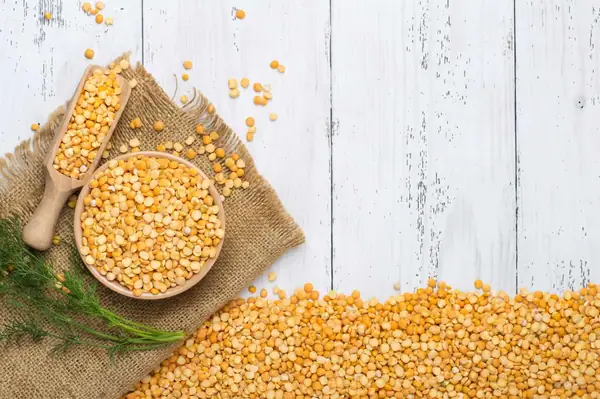
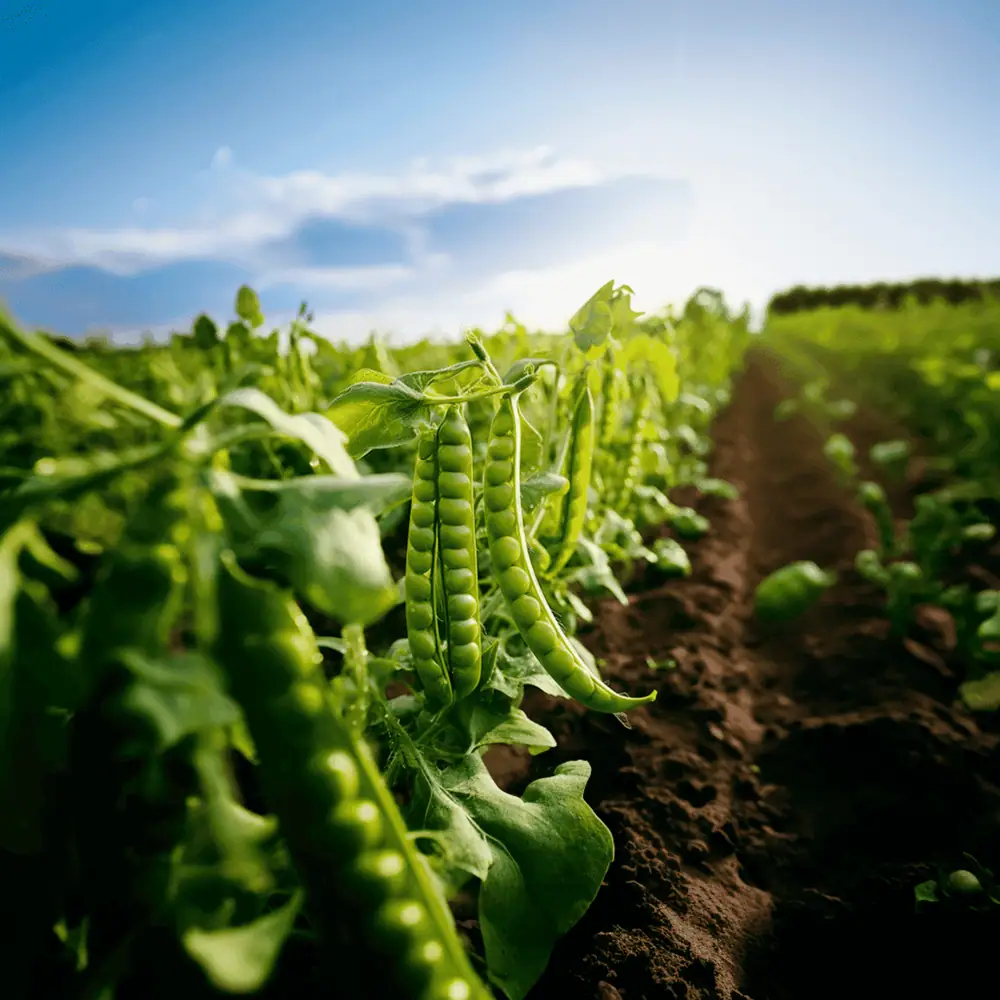
Peas and field beans are climate-smart harvests that require little water and nutrients. The firm explains that they help with soil nitrogen fixation and can reduce reliance on imported soy, enhancing sustainability in Swedish food production.
Besides plant protein production, the cooperative has introduced a “Projekt Svalöv” farming initiative to enhance agricultural practices through integrated and precise farming methods. Part of the project is “ Ärtskolan ,” which targets pea cultivation, providing guidance and best practices to help producers become efficient and successful growers. The project has received support from Klimatklivet , an initiative promoting climate-friendly projects.
Kagevik adds, “This means new cultivation opportunities for farmers and creates conditions for increased Swedish food production. Exports – which in turn is positive for Sweden’s food supply.” © Lantmännen A plant-based protein leader Lantmännen is an agricultural cooperative owned by 18,000 Swedish growers. It operates in over 20 countries and focuses on agriculture, machinery, bioenergy, and food products.
Its annual turnover is approximately SEK 70 billion. “It is a long-term investment for Swedish agriculture. Swedish food production” Lantmännen already produces wheat and oat protein at the Norrköping, Kimstad, and Lidköping facilities; however, this new plant will add legume-based protein to its portfolio, strengthening its position in the plant-based protein market. Lars-Gunnar Edh, Head of the Energy Division, comments, “We see a steadily growing appetite for plant-based proteins and together with our members, active Swedish growers, want to be a leader in this development and production.
It is a long-term backing for Swedish agriculture and Swedish food production.”
- Who: Swedish · Lantmännen · Magnus Kagevik
- Money: €105
- Percentages: 50%
- Figures: 1.2 billion · 7,000 tonnes · 5,000 tonnes · 35,000 tonnes