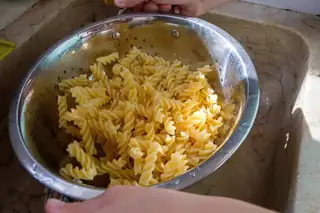
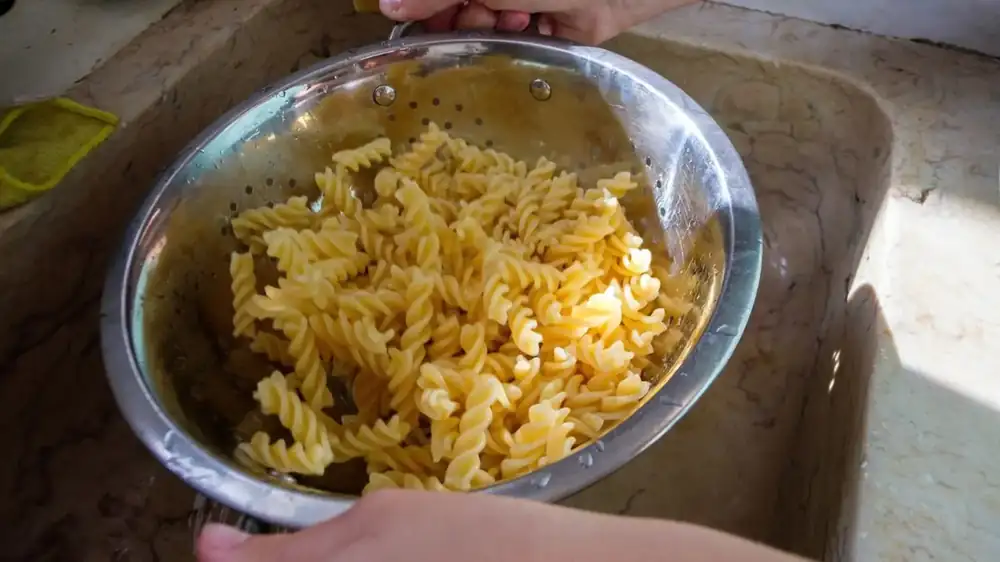
Italian chefs are adamant: “pasta should never be drained; there is a proper way to do it.”
Pasta is an incredibly ubiquitous food, found in the kitchens of busy students as well as on the menus of Michelin-starred restaurants. This popularity sometimes leads to misconceptions about its preparation.
- Chefs, like Justine Piluso, advise against draining pasta after cooking.
- Transferring the pasta directly into the sauce allows the starch to be used as a natural binder.
- Not draining the pasta improves the texture and avoids adding unnecessary fats.
Pasta is undoubtedly the most widespread food in kitchens. Whether you're a complete amateur looking for a simply nourishing dish or a more discerning gourmet seeking to elevate iconic recipes, pasta lends itself to many approaches.
Their popularity stems, of course, from their practicality and ease of preparation. Yet, many pitfalls and misconceptions remain. The simple act of draining pasta and pouring the water down the sink after cooking sends shivers down the spines of Italian chefs. It's both a form of waste and a technical error for truly delicious dishes.
Indeed, the pasta must be transferred directly, while still moist, into the sauce. This residual water, and sometimes the addition of a few spoonfuls of cooking water, helps to bind the sauce and achieve a perfect texture. Draining the pasta means missing an essential step!
Why is the water used to cook pasta important?
As Italian-born chef Justine Piluso explains, once the pasta is cooked, you absolutely must not drain it in a colander! During cooking, the pasta releases starch into the water. This starch acts as a natural binder when combined with the sauce.
You should then use tongs or a slotted spoon, depending on the type of pasta, and transfer it directly into the sauce. This is also a good reminder that the best preparations are done this way. You don't pour the sauce over drained pasta. The result would be dry and unappetizing!
The liquid that still clings to the pasta will enrich the sauce. If necessary, you can certainly add a little more cooking water to adjust the consistency and obtain the perfect sauce that coats the pasta and adheres perfectly.
Common mistakes
Leaving the pasta undrained isn't just a technical detail. Italian chefs insist on this because it's crucial for the dish's balance and the sauce's quality. It also eliminates the need to add fat to compensate for the lack of richness.
This is what you find with pasta that's falsely labeled carbonara with crème fraîche, for example. Of course, this isn't the only little technical detail to adjust to truly respect the essence of pasta! Sufficient water and the addition of salt (no, no need for olive oil!!!) are two other elements that contribute to perfectly cooked pasta.
Next time you cook pasta, keep this in mind. Your taste buds (and lovers of authentic Italian cuisine) will thank you!