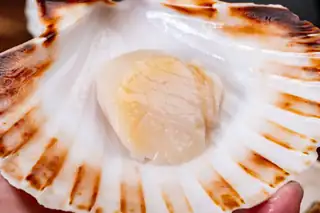
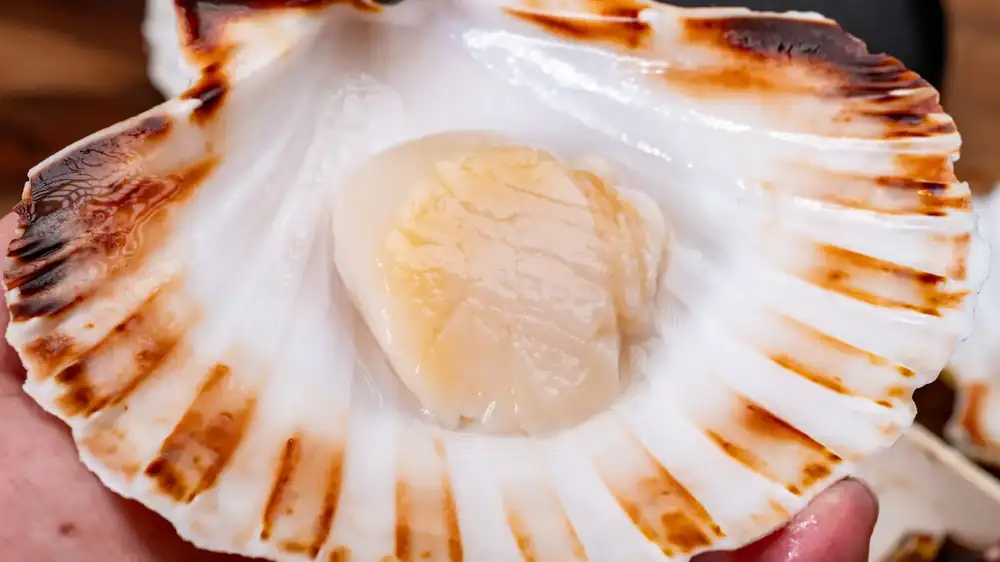
Anyone defrosting scallops is advised to check this detail before putting them in the pan
Did you dream of beautifully golden scallops, only to find them swimming in their own juices at the bottom of the pan? The problem might lie even before you turn on the heat. After defrosting, their surface deserves special attention.
Frozen scallops are very convenient when fresh ones aren't available. However, once thawed, they require a little extra care before cooking.
Observe their surface. If it is still wet or if water has accumulated in the container, the nuts must be carefully patted dry.
To do this, place them on a few sheets of absorbent paper or a clean cloth reserved for this purpose. Gently pat the tops dry, without crushing them. They should be as dry as possible on the outside when they go into the pan.
This detail may seem minor, but it makes a real difference. A moist scallop will initially release water when it comes into contact with heat. The pan's temperature drops, and instead of searing quickly, the scallop ends up surrounded by steam.
It is often at this point that we wonder why scallops remain desperately pale while those served in restaurants have a lovely golden crust.
A dry surface is needed to achieve this beautiful color.
To brown, scallops need direct contact with a sufficiently hot pan. When their surface is dry, the browning process can begin much more easily.
After patting them dry, heat the pan before adding them with your choice of fat. Avoid filling the pan completely at once. Overcrowded walnuts release moisture, trapping steam between them.
It's best to do this in two batches if you're preparing a large quantity. This will give each nut enough room to brown properly.
Once in the pan, resist the urge to move them immediately. Let the first side brown before turning them over. Scallops cook quickly, and overcooking them risks making them lose their tender texture.
This precaution is especially important with thawed nuts, which can release more water. After thawing, don't just drain them in a colander. Be sure to use absorbent paper towels.
A few seconds are all it takes, but they can make the difference between scallops that cook in their own water and those that arrive on the plate with a nicely browned surface and a still tender center.