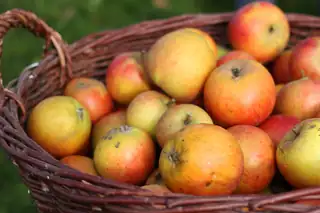
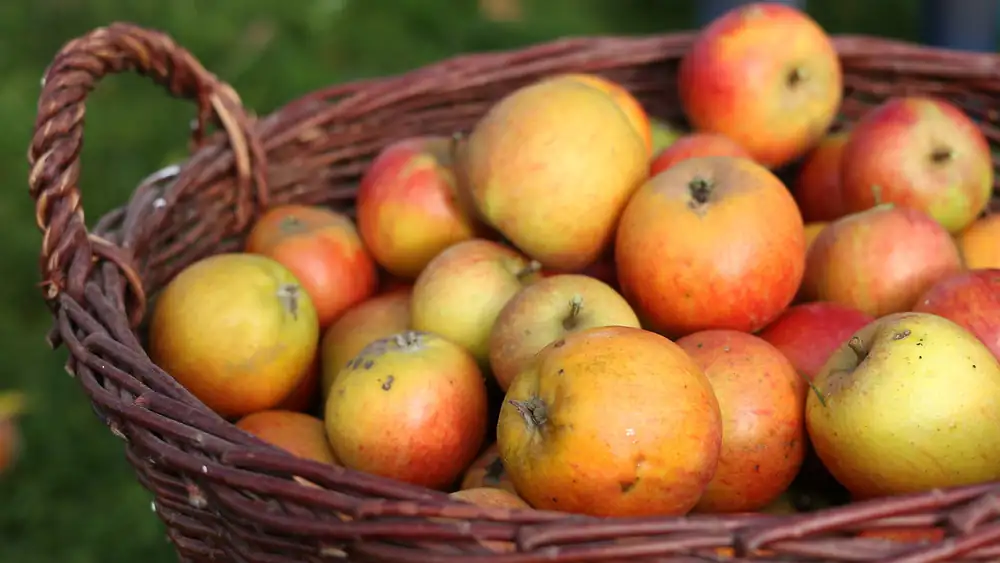
Not all apples are suitable for storage. Soft and overripe ones make great jams, snacks and jams
After harvest, there are often fruits left that will not last long in the cellar. The reason may not only be their poor condition, but also the variety, degree of ripeness or possible damage. We will advise you on which apples make sense to preserve and which ones are better to process as soon as possible.
Which apples cannot be stored?
A bountiful harvest of apples is a joy, but it also raises the question of how to best handle the abundance of fruit. When sorting the harvested apples, it is worth examining each fruit carefully. While some can go into the cellar without any problems, others are better processed as soon as possible. Not only their appearance and possible damage are decisive, but also their ripeness or specific variety.
You often come across completely healthy fruits that are just not suitable for long-term storage, they are overripe, they are a variety with a short shelf life, they are smaller, they don't look their best, or there are simply too many of them and you don't have the chance to eat them all at once.
Crushed or mechanically damaged apples should be processed as soon as possible, after removing the damaged parts. Then use them in a cake, strudel, bread roll, porridge, etc. Moldy or rotten apples should be thrown away.
What to do with apples that are not suitable for storage?
If you have apples that would soon become soft or start to spoil if stored for a long time, and are therefore not suitable for storage in the cellar, you can still process them differently. Just don't delay processing them.
Very ripe and softer apples are suitable for dishes where the fruit is to be cooked or mashed. Firmer fruits, on the other hand, are used where you want the apple pieces to retain their shape and texture.
You might be interested
Apple jam
Softer, very ripe, or worse-looking apples are fine for jam, because they will cook through. On the contrary, their softness is an advantage.
It is practical to fill jams into smaller jars, the contents of which you can use up more quickly after opening. If you want to keep them for a longer period of time, seal the filled jars. Then store properly sealed jams in a cool, dry and dark place.
You might be interested
Apple snack
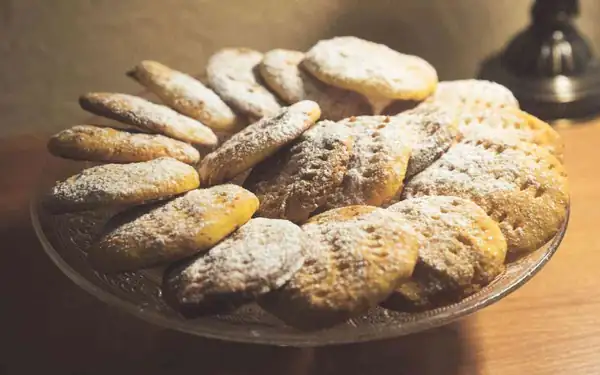
Apple pie is a classic for children, but you can also make it for yourself and then use it for desserts such as sundaes or pancakes.
Softer and very ripe fruits are also suitable for an apple snack. The resulting structure of the fruit is not important for this dish. For greater variety, you can combine apples with other fruits that you have at home, such as pears, plums or bananas.
For long-term storage in the pantry, fill the hot snack into clean jars and sterilize them after sealing (usually at a temperature of around 85 to 90 °C for about 15–25 minutes).
You might be interested
Apple jam
Riper and softer fruits are also suitable for apple jam. You can easily vary its taste with suitable spices. For example, cinnamon, ginger or cardamom go great with apples.
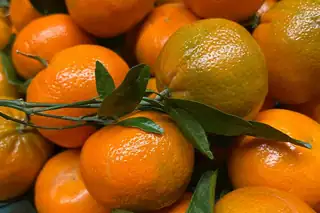
Apple jam is also delicious with citrus. This apple-orange spicy jam combines the sweetness of the fruit with a pleasant citrus aroma. It is excellent in porridge, muesli, but also on rolls or other pastries that you have for breakfast in the morning.
You might be interested
Cider
You can also use apples that look worse but are still healthy for cider. However, discard fruits that are affected by mold or rot, which are at risk of the mycotoxin patulin. Patulin is produced by some types of mold, and simply cutting out the affected part of the apple is not enough. Therefore, it is better not to use moldy or rotten fruits at all and throw them away. On the other hand, wormy apples can be used if they are otherwise healthy.
It is worth bringing a larger quantity of apples to a cider house and having the cider made. Home production is also possible, but more laborious. Fresh cider has a short shelf life, so store it in the refrigerator. If you want to keep it longer, you need to put the cider in completely clean containers and seal it.
You might be interested
Apple cider vinegar
Homemade apple cider vinegar is another way to use up your excess healthy apples. You can even make it from just the peels that would otherwise end up in the trash. The finished vinegar is suitable for flavoring many dishes – salad dressings, marinades, sauces or to flavor soups.
It can also be used in the household, for example as an ecological cleaning agent or natural fabric softener, and it is also used as a hair rinse.
The English proverb says that "An apple a day keeps the doctor away," which loosely translates to mean that regular consumption of one apple a day will protect a person from ailments and diseases.…
Apple crosses
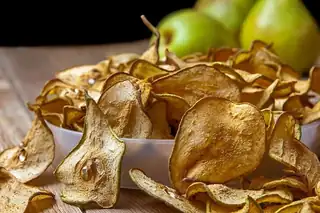
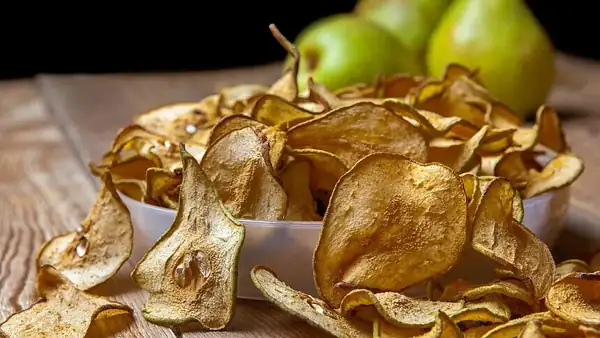
Drying apples is a traditional way to preserve apples for a longer period of time. Healthy fruits are suitable for drying, even if they are not very attractive in appearance. Cut off any small bruises or mechanically damaged areas, but you can leave the skin on. Then remove the cores from the apples and cut them into equally thick slices, ideally 2–4 mm thick.
It is best to dry the pieces in a dryer or in the oven at a lower temperature (approx. 50–70 °C) and with the door ajar (put a wooden spoon in it) to allow moisture to escape. You can also prepare the cross-shaped cookies in a convection oven. Or you can try it like our ancestors on a string in a dry, warm and well-ventilated room.
Sources of information: szpi.gov.cz
Check out our photo gallery to see how to use not-so-beautiful apples.