
Basmati rice: nutritional properties and benefits
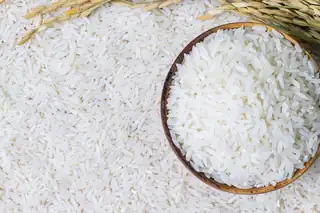
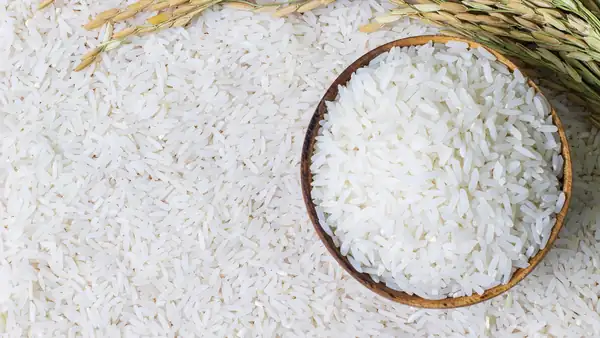
Fragrant, versatile, and recognizable by its long, thin grains, basmati rice has become a regular feature on Italian tables. Behind its distinctive aroma, however, lie interesting nutritional properties and some differences you should be aware of to incorporate it into your diet in a balanced way.
Native to the Indian subcontinent and particularly tied to the culinary traditions of India and Pakistan, basmati rice owes part of its popularity to its ability to complement vegetables, legumes, meat, and fish without overpowering their flavors. Nutritionally, it remains primarily a grain and a source of carbohydrates. Basmati rice provides primarily starch, while its fat content is naturally very low. As with other types of rice, precise values may vary depending on the variety, degree of refinement, and cooking method.
An important distinction concerns processing. White basmati is refined and therefore contains less fiber than whole-grain basmati, which retains more of the outer layers of the grain. Therefore, whole-grain basmati may be an attractive option when seeking to increase fiber intake. Whole-grain basmati also tends to promote a feeling of fullness, while white basmati may be a better choice when seeking a grain with a more delicate texture that can be easily combined with a variety of dishes.
It's not just a matter of smell: what does basmati really contain?
Basmati rice's main nutritional contribution comes from carbohydrates, which the body uses as an energy source. Protein is also present in smaller quantities, while fats are a minor component when rice is eaten plain. Naturally, the situation changes with seasoning: butter, oils, rich sauces, or elaborate preparations can significantly increase the dish's overall energy intake. The properties of basmati rice therefore also depend on how it is cooked and, above all, on what is added to the dish—a simple but crucial detail when choosing it for a balanced meal.
Among the aspects that have contributed to basmati's reputation is its glycemic response compared to other rice varieties. However, this doesn't mean it can be considered a food without consequences on blood sugar levels: it remains an important source of carbohydrates, and the body's response depends on the portion, variety, cooking method, and other foods consumed at the same meal. Accompanying it with vegetables, a protein source, and an adequate amount of fat can make the meal more complete. Basmati rice should therefore not be considered a nutritional shortcut, but rather a grain that should be included in the context of the overall diet. For those who need to monitor their blood sugar levels for medical reasons, the amount and frequency of consumption should be evaluated according to the recommendations of their doctor or nutritionist.
The simplest advantage may be hidden in the way we bring it to the table.
One of basmati's strengths is how easy it is to create complete dishes without resorting to particularly complex preparations. It can be paired with chickpeas, lentils, or other legumes, or with fish, eggs, meat, and plant-based alternatives, adding a generous amount of vegetables. In this way, the rice serves as a source of carbohydrates within a meal composed of a variety of nutrients. The whole grain version also offers a higher fiber content than the refined version. Pairing basmati rice with vegetables and protein is one of the simplest ways to transform it into the basis of a balanced meal, avoiding considering the grain as the sole nutritional protagonist.
Preparation also deserves attention. Rinsing rice before cooking can remove some of the starch present on the surface of the grains and helps achieve the typical grainier result, but it doesn't radically transform its nutritional profile. Likewise, thinking that basmati rice can be consumed without considering portions simply because it's perceived as lighter is a common mistake. Calories and carbohydrates still factor into the overall daily balance. Its real advantage, however, is its versatility: it can be seasoned with minimal ingredients, lends itself to a wide range of combinations, and allows you to alternate carbohydrate sources in your diet. The benefits of basmati rice stem primarily from the overall quality of the meal, the portion size, and the choice between white and brown rice, elements that allow you to enjoy its flavor and nutritional characteristics without attributing miraculous properties.