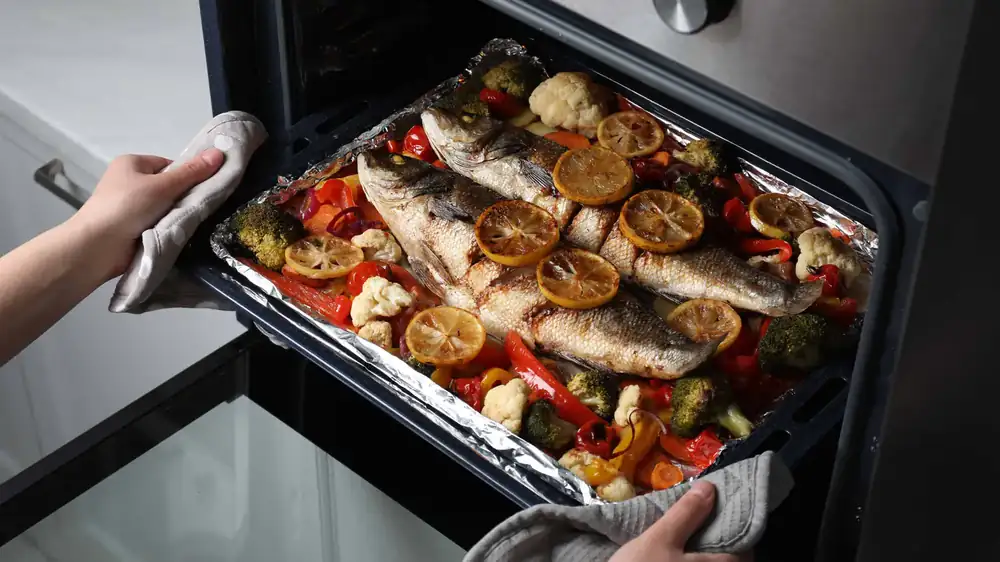
Chef José Fuentes sets 55°C as the limit for baked fish
Chef José Fuentes recommends never exceeding 55°C inside the baked fish and keeping the central bone in so that it remains juicy.
Baked fish can lose its tenderness quickly if overcooked. Simply following the recipe's cooking time isn't enough: the internal temperature is also crucial.
According to José Fuentes, the internal temperature of the fish should never exceed 55°C. A temperature of around 50°C results in a particularly tender fish, and the chef recommends reserving a portion of the fish that is normally removed before placing it in the oven.
Once the fish is cleaned and gutted, Fuentes advises keeping the central bone, even when preparing it cut in half, and leaving it in one of the fillets before putting it all in the oven. "The bone acts as a barrier, protecting part of the fish and keeping it juicier," the expert explains. This way, the fish retains more moisture and juices during cooking.
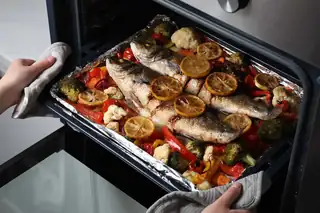
The cooking time depends on how it's prepared. "You should allow about 20 minutes per kilo of fish when cooking it in salt. If it weighs two kilos, add another 10 minutes," explains the expert. When the fish is exposed directly to the oven's heat, the time should be shorter: Fuentes recommends about 15 minutes per kilo.
In both cases, the chef advises checking the fish halfway through the cooking time. This prevents it from spending too much time in the oven and ensures the flesh retains its tenderness while the internal temperature remains around 50°C, without exceeding 55°C.