Putting lemon and salt on a cutting board: what is it for and why is it recommended?
Does your cutting board still smell of onions after dinner, or do you have some food residue? A lemon and salt duo can give it a refreshing boost. Here's how to use it, which brands it works on, and why a regular wash is still essential before using the board for your next meal.
Even though your cutting board gets rinsed under water, it sometimes retains a little souvenir of the meal: a smell, colored stains, or even a few bits of food stuck in the knife marks. Before putting it away with a sigh, take out a lemon and some salt. This simple trick can give it a fresh look, provided you know how to do it.
Why combine lemon and salt?
According to Good Housekeeping, the principle lies in these two complementary natural ingredients. The salt grains help scrub the surface, while the acidity of the lemon helps loosen some residue and reduce odors. Not to mention its fragrance, which provides a feeling of freshness. Together, they facilitate the removal of certain stains and reduce stubborn odors, especially after mincing garlic or onion.
It's especially tempting with a wooden board that still smells of sausage from the last aperitif. Lemon gives an immediate feeling of freshness, but there's no need to empty the whole jar of salt: a thin layer is enough for scrubbing. Go easy if the surface is already damaged. The goal is to clean it, not give it new scratches.
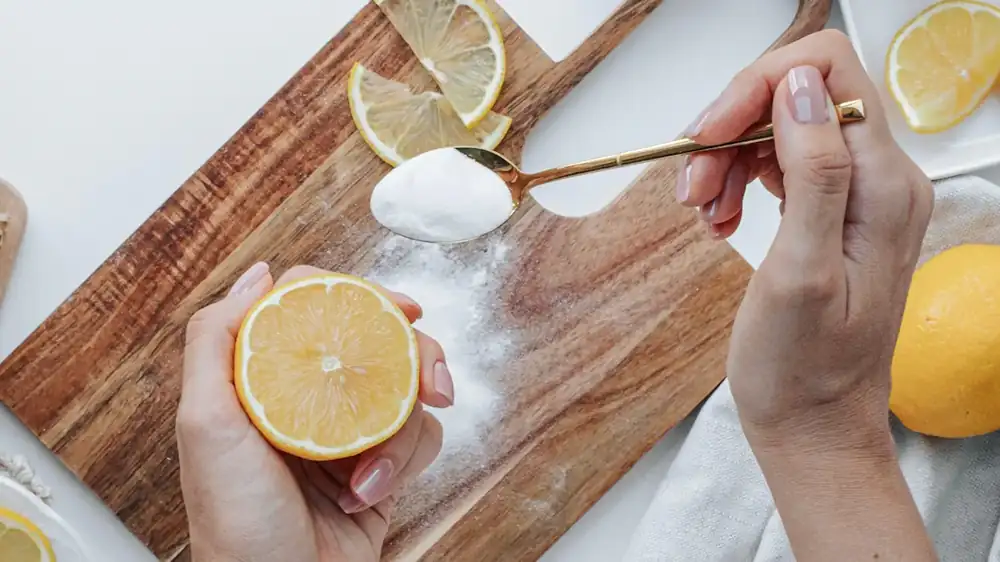
Start by removing any crumbs and food scraps. Then, sprinkle a little salt on the board, cut a lemon in half, and rub the cut side down, paying particular attention to any stained areas. The lemon acts as a makeshift sponge. Rinse to remove the salt, juice, and any loosened residue.
There's one last step you shouldn't skip: wash the board in hot, soapy water, rinse it, and then let it dry completely. Health authorities recommend washing it after each use, especially after cutting raw meat, poultry, or fish. If the nicks are deep and difficult to clean, it might be time to replace the board.
A quick refresh, not guaranteed disinfection
While lemon and salt can help deodorize and clean, wiping the cutting board doesn't guarantee disinfection. To avoid transferring germs to ready-to-eat food, always remember to wash it thoroughly between uses with water and dish soap.
Furthermore, you can have two separate boards: one for raw ingredients and another for fruits, vegetables, or bread. And as for the leftover half-lemon, there's no waste. It can still be useful elsewhere in the kitchen, for example, to freshen up the microwave or help degrease a stovetop.