Beetroot for winter
See how to make the simplest beetroot preserves for winter. This is a very versatile jarred beetroot recipe, and it's a wonderful addition to any traditional dinner.
- only a few ingredients - very simple to make
- Preparation time: 30 minutes Beetroot cooking time: 1 hour Pasteurization time: 20 minutes
- Number of servings: 3 jars of 900 ml each
- Energy value 56 kcal
- Carbohydrates 13 g
- Including sugars 10 g
- Protein 1 g
- Fat 0 g
- Diet: gluten-free, low-fat, vegan, vegetarian.
- 3 kg of beets
- less than half a cup of sugar - about 115 g
- less than half a cup of 10% spirit vinegar
- 1 tablespoon of rock salt - about 20 g
Beetroot for jars
My glass has a capacity of 250 ml.
For three kilograms of beets, I used three 900 ml jars each. The calories were calculated based on the ingredients I used. Therefore, this is an approximate calorie count based on the products I used in a given recipe. The vegetables were weighed before any peeling or preparation. I always provide the weight of the vegetables or fruit I used. However, you don't have to follow the gram guidelines. The weights are provided to help you understand the approximate amount needed to prepare a given dish.
I highly recommend reading the entire recipe first to familiarize yourself with its outline and the order of steps. It includes many interesting tips on ingredients and their substitutes. You might want to add a bit of oil or pepper to the beets, for example. I encourage you to read the entire recipe and only then get to work!
Beetroot for winter
Gather three kilograms of regular red beets. Try to choose beets that are as similar in size as possible.
Wash whole beets under running water and place them in a large pot. Place larger ones at the bottom of the pot. Pour enough water into the pot to cover the beets. Cover the pot with a lid and cook until the beets are tender. How long they take to cook depends on their size and whether they are older or younger. After 40 minutes, you can check if they are tender (insert a fork into the beets). Mine cooked for a little over an hour. Immediately drain all the water after cooking.
Tip: You can also roast the beets. Place them in an ovenproof dish with a lid (alternatively, you can wrap them in foil, each individually). I roast the beets this way for about 60-90 minutes. Small ones take up to an hour, and large ones up to 1.5 hours. I place them on the middle rack with top/bottom heat and a temperature of 200 degrees Celsius. After baking, carefully remove the lid/foil and place the beets on a plate to cool slightly. You can also rinse them under cold water and peel them immediately.
The photo below shows cooked beets.
Peel the slightly cooled beets. The skin will come off easily by lightly scraping it with a knife. Only the ends should be trimmed. Grate the beets using a large grater. If you have a food processor with a vegetable grater attachment, it's worth using it. I recommend wearing oven gloves when handling beets.
I placed the grated beets in the same pot they were previously cooked in, as it would be easier to mix them thoroughly in such a large pot. Add just under half a cup of sugar, about 115 grams, and one tablespoon of rock salt, about 20 grams, to the beets. Add just under half a cup of 10% spirit vinegar. Mix everything thoroughly.
Tip 1: Beetroots vary (and so do taste preferences). So, I recommend measuring the ingredients I've listed (salt, sugar, and vinegar) in separate bowls and starting by adding only half of each ingredient to the grated beets. After blending the beets, check their taste and decide whether to add more salt, vinegar, or sugar. You can replace half of the vinegar with lemon juice (I don't). You can also add a little ground pepper for a spicy kick.
Tip 2: You can also add 2 tablespoons of vegetable oil to the pot at this point. I don't, however, because I can always decide after opening the jar and decide whether I'll just sauté the beets in clarified butter for dinner or, for example, add them to the pan with the onion sautéed in oil.
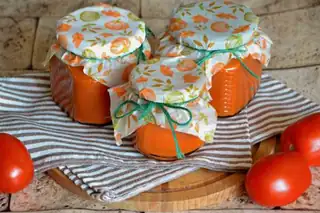
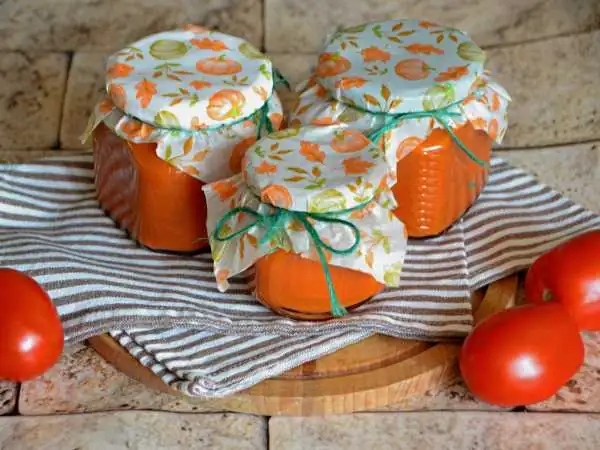
Grated beets, thoroughly mixed with salt, sugar, and vinegar, are now ready to be transferred to jars. Prepare three 900 ml jars or jars of a different capacity (adjust their size to how much grated beets you will use at once, e.g., for dinner). Their total capacity should be approximately 2700 ml. The jars should be perfectly clean, preferably sterilized with boiling water. Do the same for the lids. Use only undamaged jars and lids.
Transfer the well-mixed beets and spices to the jars. Pack them in spoon by spoon, ensuring there are no air bubbles. Leave about 1 cm of space around the rims, and seal the jars tightly.
To store the grated beets in the cellar for the winter, they must be pasteurized. Place a cotton cloth or a new cloth diaper at the bottom of a wide pot. Arrange the jars side by side, but not touching each other. Pour water up to a maximum of 3/5 of the jars' height. Turn the burner to medium heat and bring the water to a boil. Reduce the heat to low and pasteurize the jars for 20 minutes.
Immediately after pasteurization, place the jars side by side on the counter and cover them with a towel. Let them cool slowly for up to two hours. After that time, you can move the jars to a cool, shaded, humidity-free place.
Tip: Winter beets can also be pasteurized in the oven. Place the jars in a cold oven and only then preheat to 110°C (240°F). The pasteurization time is counted from the time the oven reaches temperature. Do not set a higher temperature to avoid damaging the rubber seals in the lids. Pasteurize the jars for up to 20 minutes. The lid should be concave when pressed with a finger – it should not deform or bounce.
This is the simplest method
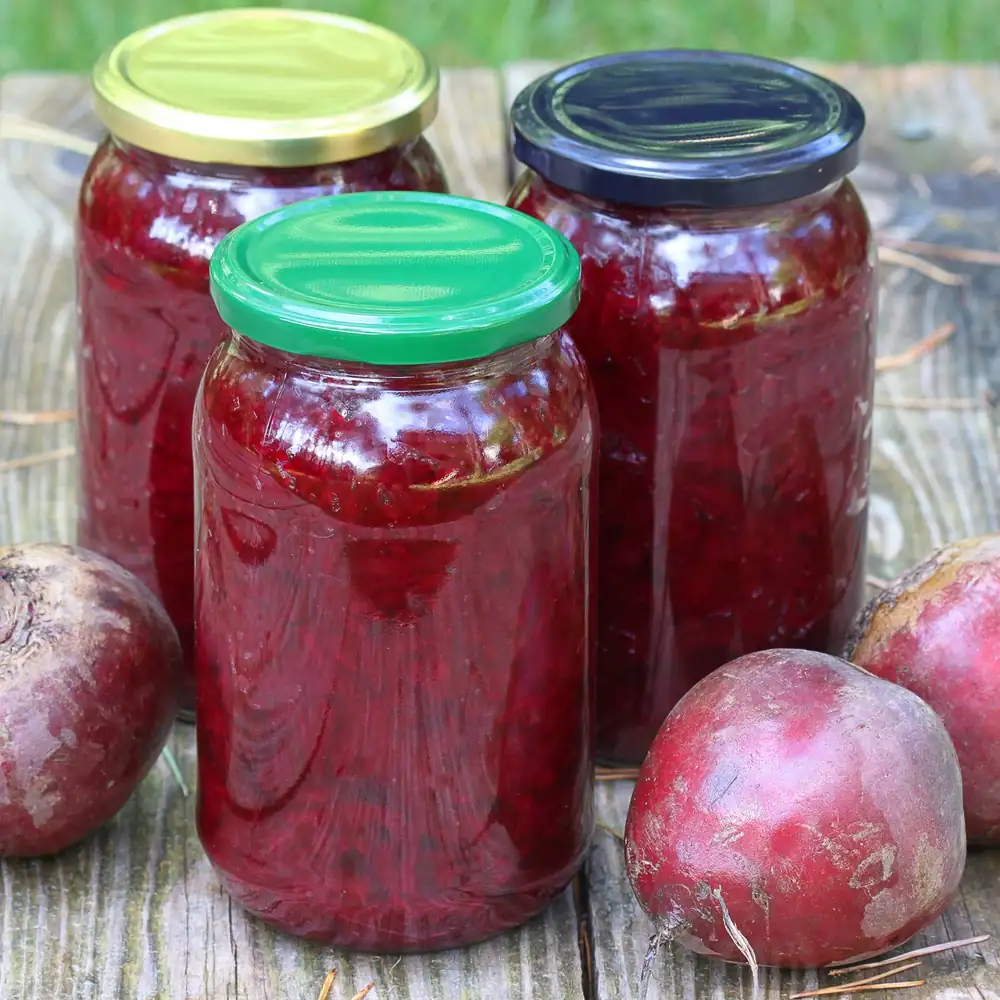
Jarred beets. In my opinion, this is also the best, as grated beets have a very versatile flavor and therefore many uses. They can be eaten cold, straight from the jar. They can be heated and served with dinner, or enriched with onions sautéed in oil. These beets can even be added to borscht or used to make a cold beetroot soup.
Although I've already mentioned it, I'll add a few more words about the oil added to jars (it's in most recipes you'll come across). Yes, you can add a little oil to the beets, but not because the preserves will spoil without it. Oil makes the beets smoother and more tender. Fat also carries vitamins. However, I don't add it to the jars because I don't need it. Immediately after opening, I usually combine the beets with sautéed onions or serve them cold, for example, in a salad with oil, parsley, chopped apple, onion, or chives.
What do you like to eat beetroot with most?
Enjoy your meal!