Whipped shortcrust pastry for delicious tarts and cakes
Soft, fragrant, and easy to shape with a piping bag, whipped shortcrust pastry is a particularly versatile preparation for making elegant tarts and cakes, with a crumbly texture that wins you over from the first bite.
Compared to traditional shortcrust pastry, this preparation follows a different method: the butter is worked until soft and fluffy, and the final dough doesn't need to be rolled out with a rolling pin. The whipped shortcrust pastry for tarts and pies is used directly with a piping bag, a feature that allows for precise creation of bases, edges, and decorations. The result is a rich yet delicate mixture, ideal for serving a dessert that is also visually appealing.
The crucial step is kneading the butter, which must be soft but not melted. Incorporating air during whipping creates the distinctive structure that distinguishes this recipe. Even adding the flour requires care: the mixture must be worked gently and only for the time necessary to combine it. After a short rest in the refrigerator, the whipped shortcrust pastry becomes perfect for creating filled tarts, cakes, and decorations, pressing it directly into the mold and shaping it as desired.
Ingredients for making whipped shortcrust pastry for tarts and cakes
- 300 g of 00 flour
- 50 g of potato starch
- 75 g medium eggs
- 250 g of butter at room temperature
- 125 g of icing sugar
- 1 pinch of salt
- 1 vanilla bean or 1 teaspoon vanilla extract
- The tip of a teaspoon of baking powder.
Step-by-step process for perfect whipped shortcrust pastry
- First, let the butter soften at room temperature. It should be soft and easy to work with, but not melted. A temperature of around 18-20 degrees Celsius (64-68 degrees Fahrenheit) is ideal for whipping.
- Place the softened butter in a large bowl and beat it with an electric mixer. Alternatively, you can use a stand mixer with a whisk attachment. Continue beating until the butter has a creamy, light, and fluffy consistency: this step incorporates air and contributes to the crispiness of the mixture.
- Gradually add the powdered sugar and continue beating the mixture until evenly distributed. Then add the vanilla and a pinch of salt.
- Lightly beat the eggs in a separate bowl and fold them into the butter and sugar mixture. Mix carefully, waiting for them to be absorbed into the mixture until you obtain a smooth cream.
- Sift together the 00 flour, potato starch, and the tip of a teaspoon of baking powder. This helps eliminate any lumps and makes it easier to incorporate the dry ingredients.
- Add the dry ingredients to the mixture and gently fold together by hand. The whipped pastry dough shouldn't be kneaded for too long: as soon as the ingredients are incorporated and the mixture is smooth, stop mixing, avoiding deflating the dough and overworking the flour.
- Transfer the resulting shortcrust pastry to a piping bag. Refrigerate for about 30 minutes, allowing the mixture to firm up and reach a more workable consistency.
- Once the pastry has rested, use it directly with a piping bag. To make a tart, you can first form the base, then create the edge, and finally add your chosen filling. With more dough, you can create classic crisscross stripes or different decorative patterns on the surface.
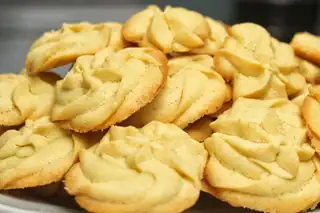
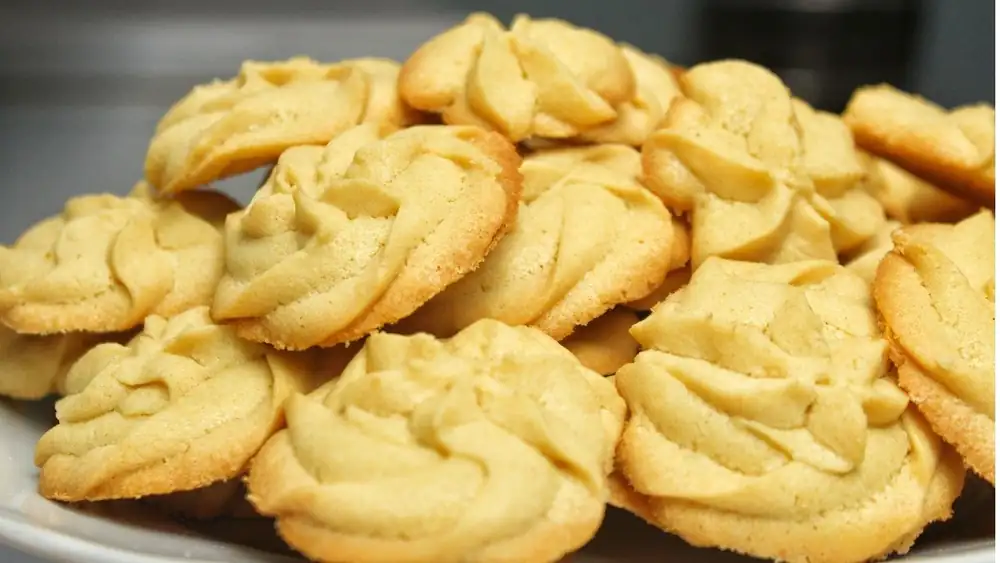
- For a particularly dramatic result, you can use a star-shaped nozzle about 1.5 cm wide. The grooves left by the nozzle make the process instantly recognizable and allow you to create tarts and cakes decorated with a crumbly, elegant pastry.
- Once the cake is formed, proceed with the baking process for the tart or cake you've chosen, carefully checking for golden brown color. The significant amount of butter makes this pastry delicate and particularly delicious once baked.
The secret to this recipe lies in following a few fundamental steps: butter at the right temperature, careful whipping, gentle kneading after adding the flour, and the necessary refrigeration. Whipped shortcrust pastry for tarts and pies offers an alternative to traditional shortcrust pastry and allows you to assemble the dessert directly with a pastry bag, creating edges and decorations without using a rolling pin. A versatile base for pairing with jams, creams, and other fillings, it's perfect when you want to emphasize presentation in addition to flavor.