Juice, zest, or segments? How to use each part of a lemon in the kitchen
Lemons are a must-have in any kitchen. Every part of the lemon is used: the zest, the juice, and even the segments, each with a different role in the recipe. But how can you get the most out of every part of the lemon?
The juice provides acidity and juiciness, the peel concentrates the aroma and essential oils, while the segments provide freshness and texture, ideal in drinks like lemonade.
The key is knowing how to use them correctly, extract all their flavor and, most importantly, how to preserve them so they last longer.
Lemons are not just a fruit to accompany fish or make lemonade. They contain vitamin C, essential oils, and a unique aroma that transforms any recipe.
In gastronomy, it is valued both for its ability to enhance flavors and for its properties to balance fats or cut the sensation of excessive sweetness.
Lemon juice and how to squeeze it properly
Lemon juice is probably the most used part. It can be used to dress salads, marinate meats and fish, prepare dressings, soft drinks or cocktails, and even to prevent fruits like apples or avocados from oxidizing.
To squeeze it efficiently, it is best to roll the lemon lightly on the countertop before cutting it.
This breaks down some of the fibers, allowing more juice to be released. It can be squeezed by hand, with a manual or electric juicer, always avoiding squeezing the white part of the peel too much, as this adds bitterness.
The zest and the peel: pure aroma
Lemon zest is an aromatic gem. It contains concentrated essential oils that lend a fresh and intense fragrance to both sweet and savory dishes. In baking, it's a common ingredient in cakes, cookies, creams, and icings. It can also add a special flavor to vinaigrettes, rice dishes, or sauces.
To obtain the zest, it is best to use a fine grater and grate only the yellow layer, avoiding the white part (called albedo) because it is bitter.
It is best to grate it just before using it to make the most of its aromas, as they evaporate quickly.
The whole lemon peel is also used to infuse broths, liqueurs (such as limoncello), syrups or flavored oils.
Simply cut it with a peeler and add it to the preparation, removing it before serving.
Lemon wedges and how to cut them
Lemon wedges add freshness and natural acidity, perfect for accompanying seafood, grilled fish, roasted meats, or cocktails. They are also used as a garnish on dishes and drinks.
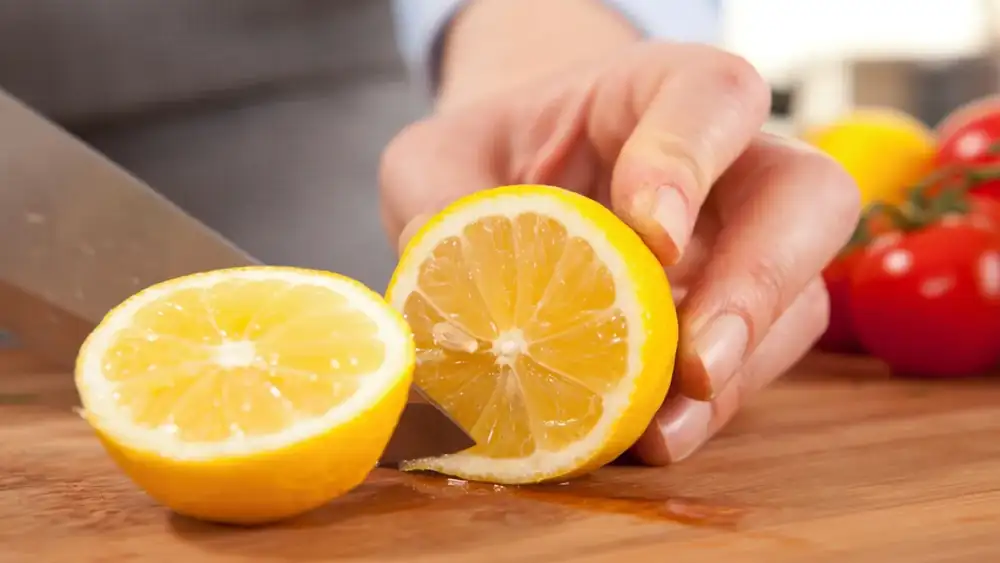
To cut them correctly, the lemon is cut in half and then into quarters or eighths, depending on the desired size.
If you want them to be easier to squeeze directly onto food, it's a good idea to cut a small triangle of skin at the base to facilitate pressing.
How to preserve every part of the lemon
Cut a lemon in half: place it cut-side down on a plate, wrap it in cling film, or store it in an airtight container in the refrigerator. It will keep for 3 to 4 days.
Zest: If you've grated more than you need, you can freeze it in small portions in an airtight bag. Although it loses some aroma, it's still useful for cooking.
Whole peel: can be frozen and used directly in infusions, soups or stews.
Segments: store them in an airtight container in the refrigerator and consume them within a couple of days to maintain their freshness.
Juice: To preserve it longer, pour it into ice cube trays and freeze. You can then use the cubes directly in recipes or drinks. In the refrigerator, freshly squeezed juice will keep for 2 to 3 days before losing its flavor.
The lemon is the best example of how a single ingredient can contribute so much to cooking. A squeeze of its juice enhances a salad, the zest adds a fresh touch to desserts like lemon ice cream, and its segments perfectly complement fish dishes like sea bass with lemon sauce.
If we also learn how to store it properly, we can enjoy all its freshness and aroma for longer.