How To Cook Rib-Eye Steak To Perfection
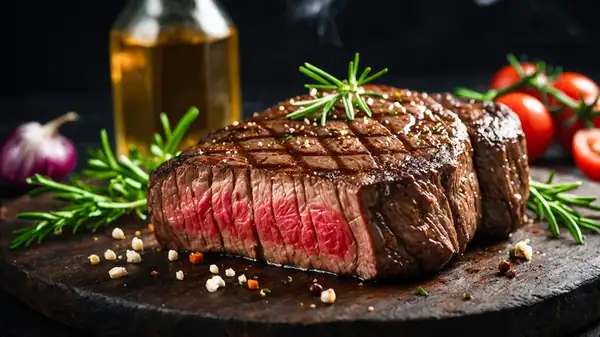
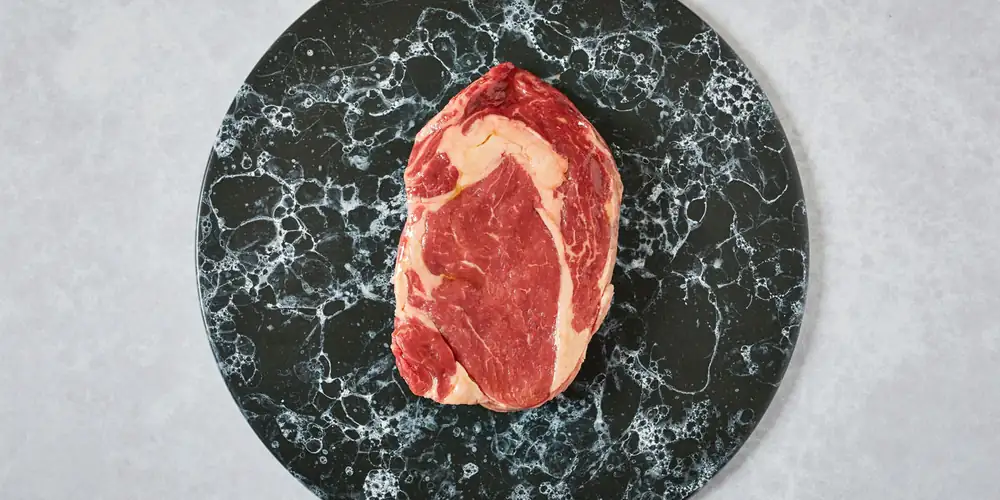
The rib-eye, sometimes known as scotch fillet or entrecôte, is one of the most popular steaks in the world. It has a wonderful marble fat which runs through the meat, including an ‘eye’ of fat in the middle which gives the steak its name.
- 1 rib-eye steak
- 1 pinch of flaky sea salt
- 1 pinch of freshly ground black pepper
- 50g of butter
- 1 sprig of thyme
- 1 garlic clove
- Get your frying pan smoking hot. If you are cooking 2 steaks, make sure your pan is large enough to fit the steaks in with plenty of room– if not, use 2 pans and heat both up simultaneously. Add the steak to the pan and cook on a medium-high heat for 2–3 minutes on each side
- After flipping the steak for the first time, add the butter with the thyme and garlic and baste for a minute. To do this, tilt the pan towards you so the butter pools at the bottom of the pan, then spoon the butter back over the steak repeatedly
- Remove the steak from the pan and leave to rest for 5 minutes
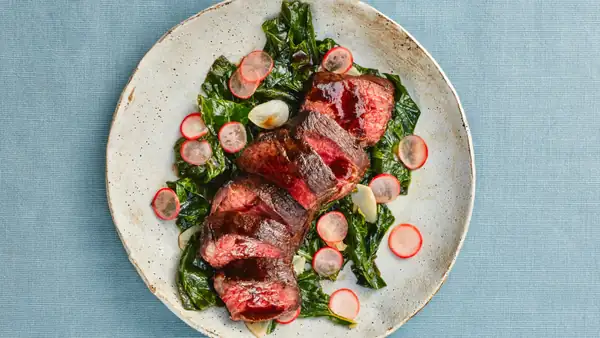
- Slice the steak across the grain, season and serve up with your choice of sides and sauce
What part of the cow is the rib-eye from?
Rib-eye comes from the cow’s rib, an area that doesn’t do too much work, making this style of steak super tender and suitable for quick cooking. The steak can come anywhere from the sixth to the twelfth rib – the centre cut is the most common and often what you’ll find when buying rib-eye steak from supermarkets. It contains some of the fat cap along with a nice amount of marbling. The two ends are called short loin and chuck. The short loin has little to none of the cap and less marbling, so is more suited to people who prefer less fat. The chuck end contains more marbling and has the largest part of the cap attached. To get the most flavour out of a rib-eye, ask your butcher for steaks cut from the chuck end.
How to choose your steak?
When buying your rib-eye, look for a nice deep red colour with lots of marbling. Select 2.5–3cm thick steaks that have been aged for maximum flavour. Buying organic and free-range will mean you get the best quality meat.
Is rib-eye better than sirloin steak?
It depends what you are looking for in your steak. Sirloin is cut from the bottom and side of the cow’s back, so comes from a muscular area. This means it can be tougher than rib-eye, which is from a less hardworking area, but it does offer a great flavour. Rib-eye, meanwhile, has a milder flavour but a buttery taste and is known for being really juicy and tender.
What style of rib-eye steaks are there?
Most rib-eye steaks come without the bone attached. However you can also get rib-eye with the bone which is known as ‘rib steak’, or the impressive-looking ‘tomahawk steak’, which is often served in restaurants.
How do you prepare rib-eye steak?
Make sure you bring the steak up to room temperature before cooking, as if the meat is too cold this will affect your cooking times and can cause the meat to become tough. Pat the steak dry with kitchen paper and season with salt, but not cracked black pepper as this can burn in the pan.
How do you cook rib-eye steak?
Pan-frying is the best way to cook your rib-eye. Heat a little flavourless oil over a high heat in a heavy-based frying pan until it is shimmering and almost smoking. Turn down to medium-high then add your steak (it should sizzle) until it is nicely browned on one side, then turn and repeat.
How long should I cook rib-eye steak?
Unlike cuts like fillet, which are great rare, it is best to cook rib-eye medium-rare or medium in order to give the fat time to render down and flavour the meat as it does so. As a general guide, if you’re pan-frying a 2cm-thick medium rib-eye steak will take about 2-3 minutes on each side for medium-rare, 3-4 mins on each side for medium, and 5-6 minutes on each side for well done. Although timings will vary depending on the heat of your pan. On a digital thermometer you want the middle of the steak to read 55C for medium rare, 60C for medium and 70C for well done.