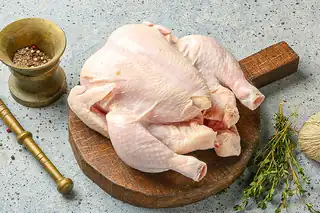
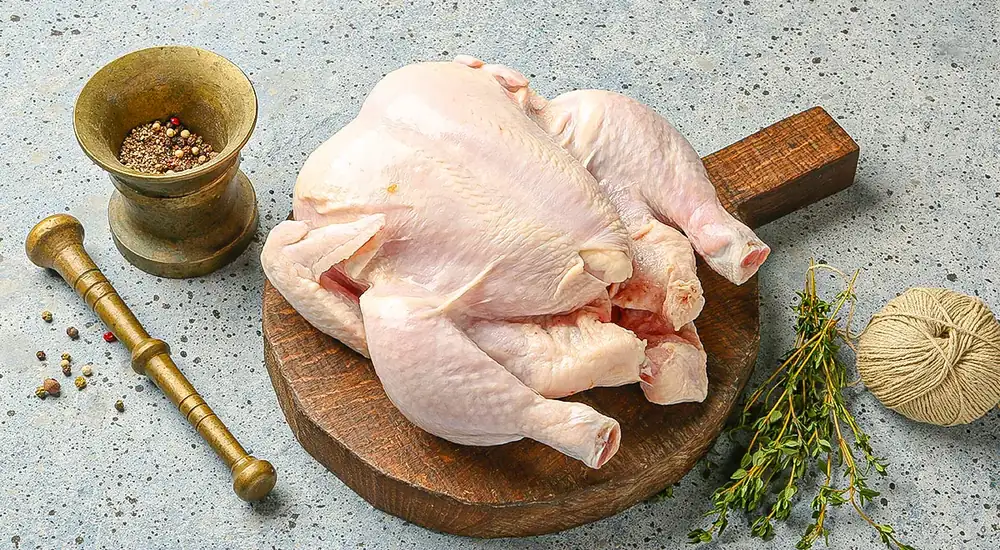
What can you make from a whole chicken: how to use one carcass without leaving anything behind?
A chicken of almost any size can be used for at least three meals. But if you want to get the most out of this bird, buy a bird weighing at least 1.8–2 kg. Then, each meal will feed three to four family members, or even five if you have small children.
Buying a whole chicken is much more economical than buying "spare parts." Learn how to cut up a raw chicken. You can read about it here.
1 neck
+ sometimes giblets (liver, heart, stomach).
The backbone, wing tips, backbone, and neck are all used for broth. The neck and backbone are enough to add a little meat to the broth.
How to Make Chicken Broth from Carcasses
This broth can be made from either the carcass of a raw chicken left over from butchering or from the carcass and bones of a roasted chicken. The former is the classic option. The latter, however, has a richer and more interesting flavor. Vegetables play just as important a role in this broth as the chicken.
To prepare 8-10 servings you will need:
Chicken back and carcass (raw or baked) - 1 pc. (+ neck and wing tips)
carrots - 2 medium
celery — 3–4 stalks
onions - 2 medium onions
garlic - 1 head
fresh ginger - 2-3 cm
greens - 1 bunch (stems)
peppercorn mixture - 1 tbsp.
allspice peas - 5-7 peas
salt - to taste
Without peeling, thoroughly wash the vegetables with a brush under cold water and chop coarsely. Chop the skeleton into smaller pieces.
Place the chicken and vegetables in a saucepan, add 3–3.5 liters of cold water, and place over high heat.
When the water boils, add salt, reduce heat to medium-low and skim off the foam.
Add the peppercorns and herb stems. Simmer gently for at least 2 hours, or up to 4 hours if you want a stronger broth.
After about 1 hour of cooking, remove the meat from the neck, back and ribs - use it for the soup, and return the bones back to the broth to continue cooking.
Strain the finished broth through a cloth/several layers of gauze.
Chicken broth-based soups
You can cook different soups using broth with pieces of meat, they will be completely different.
Creamy chicken soup with potatoes and leeks
Sauté the chopped leeks and onions in butter until soft. Add the diced potatoes and chicken broth, bring to a boil, and simmer for 20 minutes. Add the shredded cooked chicken and heat through. Remove from heat, add the cream, season with salt and pepper, and sprinkle with chopped herbs.
Tomato chicken soup
Sauté the carrots, celery, and onion in oil. Add the garlic, tomato puree, and broth and bring to a boil. Add the other vegetables (zucchini, bell peppers, or beans) and cook until soft. Finally, add the cooked chicken and herbs.
Green chicken soup
Quickly sauté finely chopped onion, garlic, and zucchini. Season with a spoonful of green curry paste or green adjika. Pour in the broth and bring to a boil. Add plenty of chopped herbs (choose your favorite) and spinach. Once it returns to a boil, simmer for 2–3 minutes. Add the chicken and season the soup with coconut milk.
What to cook with chicken breast
It's not only healthy food for those on a diet. It's also a fun meal and a great addition to healthy and delicious salads. It's also a quick meal for toddlers. And a schnitzel for teenagers.
Salad with chicken breast and apples
You can boil chicken breast specifically for this salad—the recipe shows a technique guaranteed to yield the most tender and juicy breast you'll ever eat! Or you can use leftover chicken from a baked, fried, or boiled chicken. Either way, it'll be delicious.
To prepare 4-6 servings you will need:
chicken breast fillet - 2 pcs.
yellow-red apples - 2 medium
celery - 8-10 stalks
cucumber - 2 medium
juice and zest of 1 lemon
garlic - 1-2 cloves
walnuts (or other nuts) - 30 g
vegetable oil - 1 tbsp.
mayonnaise "Provencal" - 1 tbsp.
salt, pepper mixture - to taste
Trim the tough outer layer of celery stalks, cutting off the top and bottom. Core the apples, but do not peel them. Thinly slice the apples, celery, and cucumbers and season with lemon juice, zest, and salt. Add finely grated garlic. Cover with plastic wrap and let sit for 10–60 minutes. If you have raw chicken breast, save the celery and apple scraps.
Cook the raw chicken breast gently. Add 2.5–3 liters of water (don't reduce the amount, this is important!) to a saucepan, add the celery and apple scraps, and salt. Bring to a boil, add the chicken breast, and bring back to a rolling boil. Cook for exactly 3 minutes, using the timer. Cover the saucepan with a lid, turn off the heat, and cover the pan with a thick towel. Let it sit for 30 minutes—the chicken will slowly cook through in the hot broth. If the chicken was larger than 2 kg, you can increase the cooking time to 5 minutes, and the steeping time to 35–40 minutes.
Cut the chicken breast into thin, easy-to-eat slices or cubes.
Carefully drain the juice released from the chopped vegetables into a bowl, add vegetable oil, pepper and mayonnaise, beat with a fork to form an emulsion.
Combine chicken, vegetables, and dressing. Sprinkle with nuts and serve.
If desired, you can add an onion, green stalks, peppercorns, or your favorite spices to the water for cooking the chicken.
Quick kebabs for those losing weight
Prepare the chicken breast as directed in the salad recipe, but remove it after 15-20 minutes and cut into large pieces for skewering. Alternately thread zucchini slices and cherry tomatoes onto the chicken. Brush with olive oil and quickly bake in a very hot air fryer or oven—just until crisp.
Schnitzels
If you cut raw fillet into two layers and beat them carefully, then roll them successively in salted flour, beaten egg and breadcrumbs, and then fry them, you will get excellent schnitzels.
If you cut the fillet across the grain into 1 cm thick slices and roll it only in flour and egg, you'll get a super dinner for kids.
Dishes made from chicken wings and drumsticks
You can boil the wings and drumsticks in broth (it will be stronger and tastier) and then eat them simply boiled, but with some interesting seasoning.
A simple chicken seasoning for dipping cooked chicken is made in a blender using toasted hazelnuts, toasted sesame and cumin seeds, dried thyme, smoked paprika, coarse salt, and freshly ground black pepper in a 5:3:1:1:0.5:0.2:0.2 weight ratio.
Or you can bake the wings or legs until crispy in the oven and serve as an appetizer.
Coat the wings, cut into two pieces, and the drumsticks, scored almost to the bone, in a mixture of salt, ground pepper, and spices (paprika, cumin, chili, dried garlic) with vegetable oil. Bake on a wire rack or parchment-lined baking sheet at 200–220°C for 25–40 minutes, depending on size. At the end of cooking, you can brush them with a quick glaze (butter, garlic, and herbs) or sprinkle with grated hard cheese a few minutes before they're done.
Creamy cheese sauce for serving
Mix a little cream or sour cream with grated cheese, garlic, herbs, and lemon juice. Serve this sauce separately for dipping wings or drumsticks.
Dishes with chicken legs (thighs and drumsticks)
A perfect option for a hot dinner. Can be cooked in a frying pan or in the oven/convection oven. The thighs pair beautifully with vibrant vegetables—they exchange juices and flavors, making them even more delicious.
Braised thighs/legs with vegetables
Season the chicken with salt, pepper, paprika, and dried garlic. Fry in a pan until golden brown, then add coarsely chopped vegetables (carrots, onions, bell peppers, zucchini). Pour in a little broth or water, cover, and simmer for 25–35 minutes.
Chicken legs and thighs with mashed potatoes
This dish is best served with new potatoes. Don't mash them; just mash them with chopped lettuce, the juices, and fat rendered from the chicken—it's simply delicious.
To prepare 4 servings you will need:
chicken thigh - 2 pcs.
chicken drumsticks - 2 pcs.
potatoes - 600 g
iceberg lettuce - 1 small head
garlic - 6 cloves
vegetable oil - 1 tbsp.
butter - 2 tbsp. (if necessary)
wine vinegar or natural apple cider vinegar - 1 tbsp.
salt, pepper mixture - to taste
Peel the potatoes, if desired, or simply wash them with a brush. Cook in boiling salted water until soft.
Make 2-3 shallow cuts into the meat and skin of the drumsticks and thighs on all sides. Season the meat with salt and pepper, cover, and let rest for 15-30 minutes.
Place a frying pan over medium heat, add oil, and add the chicken (thighs skin side down). Cover loosely and cook for 10–13 minutes, allowing the fat to gradually render.
Crush, peel, and chop the garlic. Turn the chicken over and sprinkle with garlic. If the chicken is lean and there's very little fat, add a little butter. Cook on the second side, covered, for another 10–12 minutes.
Turn the chicken over again, drizzle with vinegar, and cook for another couple of minutes. Meanwhile, chop the iceberg lettuce, removing the core.
Transfer the chicken to a warm plate and cover with foil. Add the iceberg lettuce to the pan where the chicken was cooked and cook, covered, for 1–1.5 minutes.
Add the potatoes to the pan, mash roughly, and stir to absorb all the juices. Serve immediately with the fried chicken.
What to cook with baked chicken
If you often have leftover baked chicken, try these ideas.
It's a good idea to immediately freezer some cooked chicken with a plan for using it. Divide the meat into portions for specific purposes: a small portion for quick breakfasts, a medium portion for dinner, and a mixed portion for soups. Place the chicken in a thin layer in a ziplock bag, flattening it (this way the meat takes up less space and thaws faster), pressing out any air, and label it with the date and intended use.
Don't freeze chicken that's been in the refrigerator for three days; freeze fresh leftovers. Chicken frozen this way is a lifesaver on those evenings when you don't have the time or energy to cook from scratch.
Immediately after dinner, separate leftover chicken by type: skinless and boneless chicken, bone-in chicken pieces, and skin-on chicken. Refrigerate the meat in an airtight container for quick use the next day—it's a great base for salads, pasta, and sandwiches. Save bone-in chicken pieces for reheating dishes that require juiciness and flavor (such as stews or chicken rice). Use the skin as a flavor enhancer: thinly slice and fry with vegetables, add to omelets, or add to a cheese filling for crepes.
If you have a dry chicken breast left over, don't try to reheat it whole—this will only make it drier. It's better to shred it immediately and use it in sauce-based dishes. Add it to a creamy sauce, vegetable stew, or a cheese and cream filling. You can mix the sliced chicken with mayonnaise and/or yogurt and use it as a spread for sandwiches or flatbreads.
Consider a family-friendly construction kit with leftover chicken. Divide the boneless meat into containers and prepare basic toppings: chopped vegetables, cooked grains, grated cheese, and simple sauces. The next day, everyone can put together their own plate: some might want a hot meal, others a cold salad or sandwich. This approach reduces the risk of leaving some chicken unused because everyone can see and understand what they can do with it.
Leftover chicken makes the perfect stuffing, but it's important to decide where to use it right away. Grind the meat and separate it into categories: finely ground for pies and pancakes, medium cubes for salads, and large pieces for hot dishes. Store each category separately to avoid wasting time reorganizing. Some can be mixed with fried onions, carrots, and spices and frozen as a ready-made base for future pies, stir-fries, or casseroles.
The most practical option is to roast the chicken specifically, as a versatile prep. Immediately remove the meat from the bones, cut it, and weigh it into 150-200g portions, suitable for a family meal. Label each portion: "for soup," "for pasta," "for salad," so you don't have to worry about which goes where. The main rule: don't store chicken without a plan—it's easy to forget and then throw it away.
Baked Chicken Pate Spread
You can use any leftover chicken from the day before in this pâté. It's especially good for using up chicken skin. If the chicken came with giblets, those will work just as well.
To prepare 4-6 servings you will need:
baked chicken with skin (boneless) - 200–300 g
chicken giblets - optional
onions - 3 medium onions
garlic - 4-5 cloves
butter - 100 g
vegetable oil - 2 tbsp.
sugar — 0.5–1 tsp.
sweet paprika - 1 tsp.
smoked paprika - 0.5 tsp.
salt, pepper mixture - to taste
If using giblets, boil them in boiling water until tender and chop into bite-size pieces. Chop or shred the chicken meat. Soften the butter.
Peel the onion and garlic, chop them, and fry them in vegetable oil with salt and sugar over high heat until lightly golden, 5–6 minutes. Add the paprika and pepper, stir, and remove from heat.
Puree the onion in a food processor or blender. With the motor running, gradually add the chicken, giblets, and butter, alternating between each. The smoothness of the pâté is entirely up to you. You can make it smooth or leave it chunky.
Let the pâté sit in the refrigerator for 2–4 hours. Serve with toasted bread.
If you didn't bake the chicken, but boiled or fried it, feel free to follow the same recipe. Just double the amount of smoked paprika.