Antica Osteria Magenes in Milan, review: a century-old establishment with contemporary ambitions
The Antica Osteria Magenes in Gaggiano, at least in its current guise, challenges the conventional definition of an osteria—a rustic, popular dining establishment where, in addition to the main course, drinks are served with a concise selection of accompanying dishes.
From the L-shaped antechamber, a glimpse of the two main rooms unfolds, creating a convivial atmosphere that's subdued and tranquil, yet refined and pleasantly constructed. The honey-colored wood that dominates the furnishings, even covering the walls, gives the place a warm, cozy quality without verging on completely informal. It's like a minimalist, stylized version of a mountain cabin. With a dry, coolly friendly gesture, the staff escorts us to our table in the more beautiful of the two rooms, the one to the left of the entrance, where a large ball of yellow light dominates, casting an intimate, relaxing glow like the setting sun. The chilly night that fills the veranda beyond the dining room and the garden is pleasantly distant, perceptible only by contrast.
Refinement and an instinctive sense of satisfaction shine through from the ambience as well as from a first glance at the menu. Alongside signature Lombard dishes like ossobuco, yellow rice, and cutlet, the menu is enriched with decidedly signature and experimental dishes. These include foie gras with ash, figs, and peanuts; or BBQ pigeon with pistachios and Korean kimchi. Alongside aromatic influences from India and Japan, playful touches and tricks are found in the presentation of the dishes, such as the fior di latte, yuzu, and ginger gelato, delicate and authentic in flavor and texture, prepared using the Japanese Kakigori technique, which involves freshly flaking the ingredients using a colorful contraption that looks like it came from a street vendor's artillery.
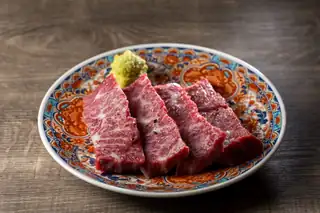
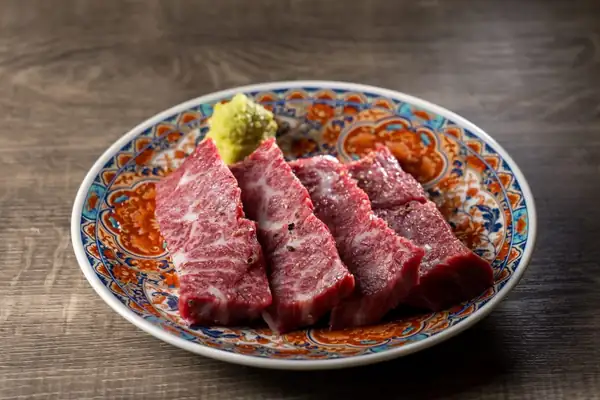
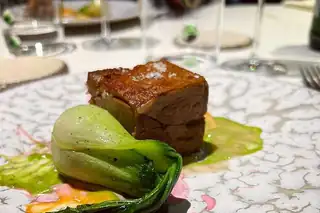
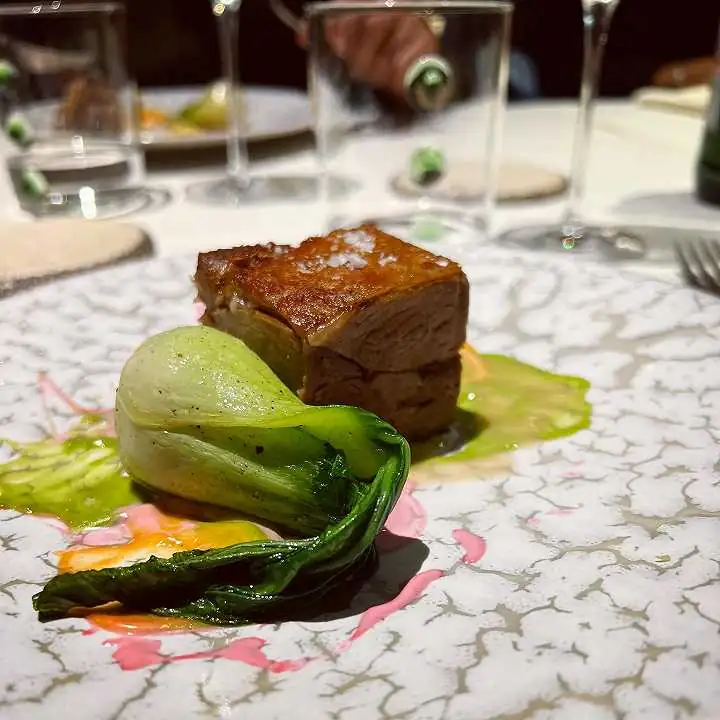
In the mallard, a species of wild duck, the cold-cooked breast is placed in thin slices on a sort of perch, like fine blood-red velvet pillowcases left to dry in the sun. Fun, dramatic, and very good. This is accompanied by the duck leg, confit in a salt crust, drizzled with Bordeaux sauce (the classic French reduction of cooking juices) and surrounded on the plate by splashes of colorful condiments: a fig compote, an Indian tandoori sauce, a black sesame hummus. A complex and imaginative dish, but despite the perfectly cooked leg, the lively intention fails to translate into an equally satisfying outcome. This entire whirlwind of techniques and ingredients, some of which are exotic, results in rather bland and dull flavors. Vision, ambition, and a certain flair for sophisticated ingredients characterize many other dishes, which, again, don't always deliver what they promise. While the suckling pig with Japanese pepper, chopped scampi, artichokes, and hazelnuts is incredibly tender and refined by expert and delicate pairings, the Brescia-style rabbit plin with soft tubers and smoked eel is an honest yet timid dish. This is even more true of the spaghetti with oak-smoked butter, bergamot, and prized pink oysters from the mouth of the Po River, an ingredient that alone signals the lofty ambition of a dish. You might imagine a creation rich in echoes and suggestions, with rough, pungent, and fresh notes of woodland and citrus contrasting with the placid sweetness of the sea. Yet, as if cast under an evil spell, this dish truly tastes like nothing much.
In some way, where there's less experimentation and fantasizing, the bar for success is decidedly higher. The saffron risotto is highly individual, despite its traditional preparation. A highly unusual creaming (apparently with very cold butter) and the choice of a mild parmesan cheese give the dish a surprising creaminess and smoothness. The Milanese cutlet is enormous and magnificent, a triumph of prehistoric power, and the refined richness of the Robuchon purée that accompanies it is the perfect counterpoint.
Prices are in line with the offerings, with appetizers and first courses around 20 euros, and second courses around 25-30. The service is succinct but never lacking. The sommelier has the decisive touch of expertise, and his recommendations from the extensive menu, including those from the world of natural and artisanal viticulture, are always authoritative and spot-on. My advice, certainly less authoritative but probably predictable at this point, is to enjoy this place for its beautiful location, especially in the summer, its classic dishes, and its excellent wines.
Opinion
Magenes embodies lofty ambitions and a certain intuition for sophisticated ingredients and combinations, but it's in traditional classics that the place shines. The cutlet is unsurpassed, the risotto giallo excellent. The creative dishes with a contemporary twist are less successful, where brilliant and sophisticated ideas often remain a dead letter. The location is a strong point: the interiors are warm and refined, while in the summer the veranda and the beautiful garden open up.
PRO
- Welcoming and charming location, with a veranda and garden for the summer.
- The traditional Lombard dishes are excellent.
- The wine list is refined and very well presented by the sommelier.
AGAINST
- Whimsical and experimental creations often promise more than they deliver.