Kappou Ninomiya in Milan, review: don't call it a sushi bar
There are some very authentic things at Kappou Ninomiya, a small new Japanese restaurant west of Milan, and others less so. Authentic in the sense of reflecting how things work in Japan, which isn't necessarily a good thing or a bad thing, but a fact, and one that sometimes has hilarious implications.
As with the call to make a reservation, the profuse and heartfelt apologies on the other end of the line make me think the call might be abandoned due to a sudden earthquake. But no: I was simply being informed that pets are not allowed. The exaggerated and slightly comical (good-naturedly, mind you) obsequiousness of the Japanese in top form. What's less authentic, however, is that unlike their homeland, where various culinary styles typically have dedicated restaurants, each with its own distinct aesthetic and imagery, here these multiple styles are almost all represented together. The menu offers a sort of well-designed and well-photographed didactic compendium.
There's nothing wrong with that, if only because, despite dogmas and various purisms, it offers a wide variety beyond the usual sushi. However, it's also a question of aesthetics, understood as a sensory universe of reference, parallel to food and merging with it, which in Japanese culture is part of an essential whole.
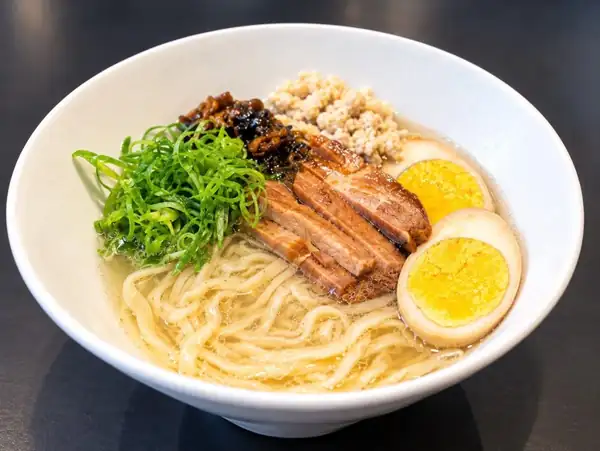
For grilled food (yakimono), you'll have to forgo the typical dark, stark atmosphere and the masculine aroma of burnt wood. If you choose ramen, the quick, light, and voracious atmosphere of a ramen bar is left to your imagination. Like the menu, the aesthetic of the place is a summary of the Japanese imagery, minimal and generic, as succinct as a summary can be.
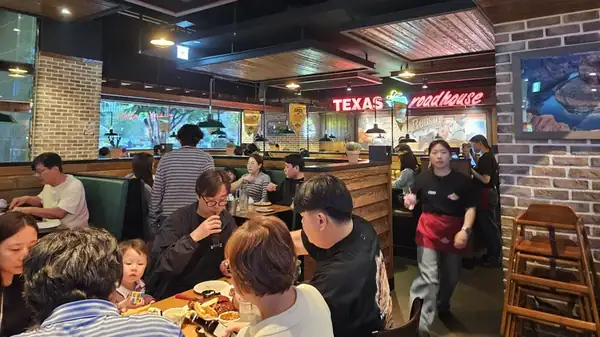
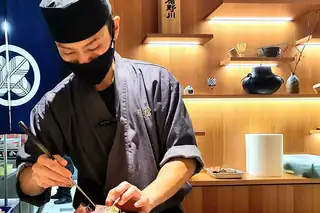
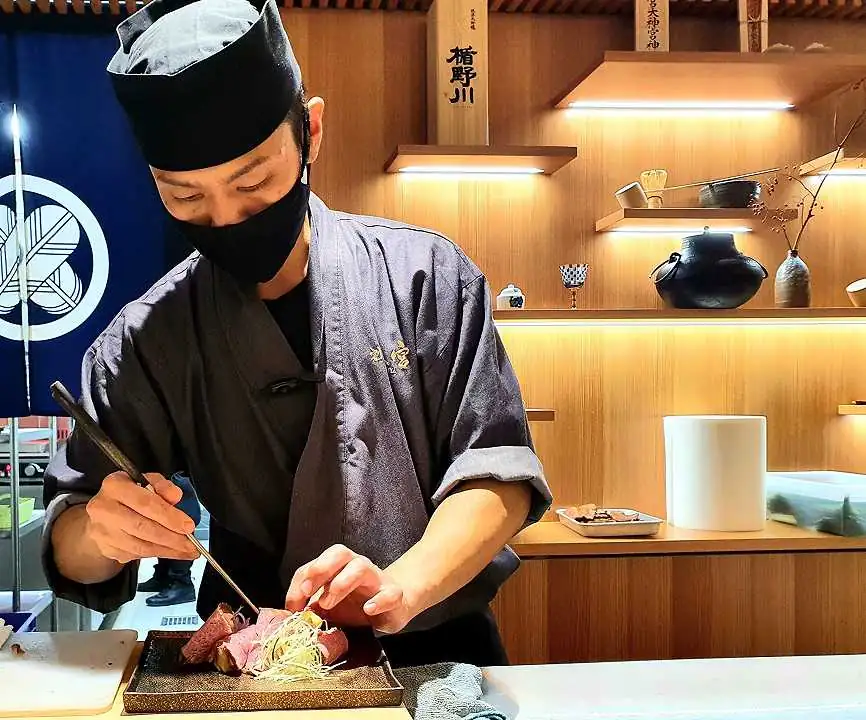
The counter area where the chefs work seats a handful, and that's where you should make a reservation. Light wood, a minimalist feel, warm lighting, and intricately decorated and individually crafted dishes provide the sole but adequate stage for the meticulous creations of the chefs opposite. If you can't find a seat at the counter, give up and go another time. Once you're seated, don't look back. The rest of the room is bland, bleak, and cream-colored; burdened by a persistent patina of new and cheap. Far from the essential Japanese style, which is always warm and thoughtful, this place feels more like a suburban kebab shop that's just been given a makeover. The Japanese arrive first; there are many of them, about half the seats. At 9 o'clock sharp, as usual, the Italian contingent fills the rest of the room, and the atmosphere warms up a bit.
The tempura may be rather modest, with the inappropriate smell of heavy frying hovering over it, but the nigiri are sublime. Plump, plump, and abundant without being overly so. In the maki rolls, the rice glistens like sea foam in the early sunshine, briefly resting on the seaweed before being rolled. The nigiri with fatty tuna (toro) has the unreal consistency of a lascivious mousse. The one with salmon roe (ikura) is a small cascade of smooth amber bubbles charged with all the resolute saltiness of the ocean.
From the onmono (hot main course) chapter, the ground wagyu in dashi sauce with fried eggplant and pumpkin may be a confusing mess, hard to grasp, but the sashimi is definitive. Beyond the fish, what elevates it is the marinated wasabi and ginger, of absolute quality and freshness, because nothing is as important in Japanese cuisine as the small details.
It might still be annoying that three or four menu items aren't available, such as fried oysters (though we replaced them with the excellent fresh version in soy and bergamot sauce). But all that fades before the marinated octopus, a tenderness to which the balsamic note of wasabi and the powerful marine flavor of seaweed lend a contrasting, wild touch.
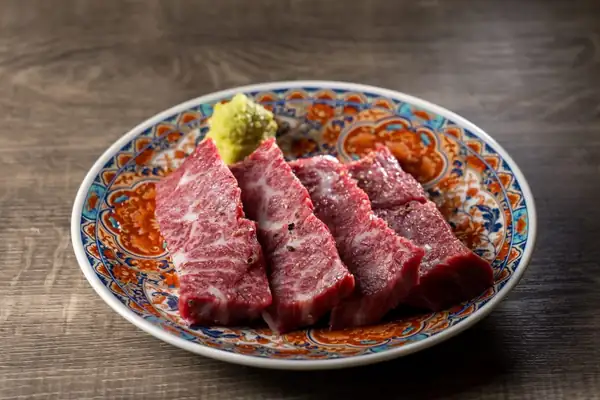
While the twice-cooked grilled eel isn't entirely convincing—good with the classic sweet and sour sauce but useless in the "white" version, where only the exposed fat is present and sticks to the palate—the wagyu salad is a different story. Thin, prized slices pair perfectly with the grilled eggplant and curls of grated foie gras that accompany them.
So (don't?) call it a sushi bar. It's ironic, but not at all derogatory, that in a restaurant that tries to offer the complexity of Japanese cuisine beyond the usual sushi, sushi and sashimi are perhaps, despite its intentions, its strong point. Probably the best I've tried in the city so far. The bill is hefty, but, in all honesty, anyone who can truly say they've ever eaten good Japanese food on a budget should raise their hand.
Opinion
For Japanese cuisine enthusiasts, perhaps always on the lookout for new offerings beyond the usual sushi and sashimi, Kappou Ninomiya may raise more than a few expectations, offering an ambitious and highly diverse menu. In practice, however, it's precisely the old classic sushi and sashimi that the place shines, perhaps the best I've tried in the city so far. The other creations oscillate between success when keeping things simple and a few missteps when it comes to the more complex offerings.
PRO
- Sushi and sashimi are superlative.
- Very convincing appetizers.
- Dinner at the chef's counter offers a glimpse into Japanese tradition.
AGAINST
- Apart from the counter area, the atmosphere and design are depressing.
- Some of the creations other than sushi and sashimi are not up to par.