Rome's San Lorenzo food scene continues to grow: a promising new restaurant arrives
Elephant in Rome is the new restaurant opening in early 2026 in the San Lorenzo neighborhood: grilled cuisine, small plates to share, and a streamlined wine list in an area with an increasingly vibrant food scene.
Starting January 29, 2026, San Lorenzo has a new gastronomic destination. Called Elephant, it's the project of five partners with different backgrounds but a shared passion for food, wine, and hospitality. The project began on a secluded street in the neighborhood and is built around a concept of cuisine that combines travel, creativity, and conviviality (we reported on it here). Elephant thus enters an area that has been experiencing a new culinary scene in recent years, thanks in part to the presence of restaurants that have contributed to bringing new energy to San Lorenzo, such as Mazzo, Artisan, and Soho House.
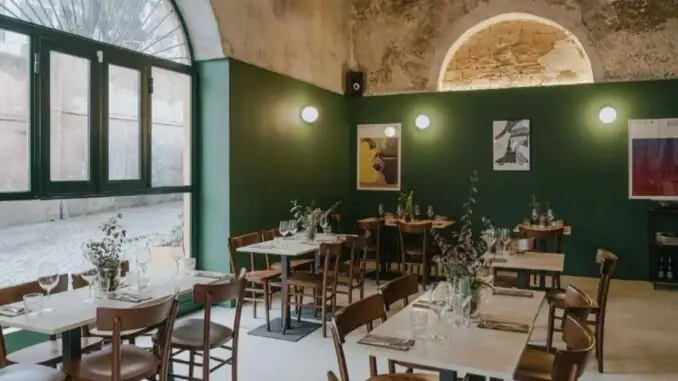
The name of this sign comes from a work by British artist David Shrigley, "Elephant Chooses To Stand On Your Car," an image of an elephant sitting on a car, a spontaneous and slightly surreal gesture that reflects the spirit of the place. This sense of creative freedom is also reflected in the way the restaurant was designed.
The Elephant Project in Rome
Behind Elephant are five partners with diverse backgrounds: chef Manfredi Bosca, formerly at the helm of Bottega Tirso, along with Andrea Gentili, active in the hospitality world; Luca Marengo, writer and founder of creative agencies; Valentino Cuzzeri, marketing and digital communications expert; and Paolo Sarimari, creative director with a focus on fashion, music, and design. A great group whose professional paths have crossed over time: "It all started with two groups of friends who were already involved in the food world, albeit in different roles," Gentili tells us. "At a certain point, the ideas coalesced and became a real project."
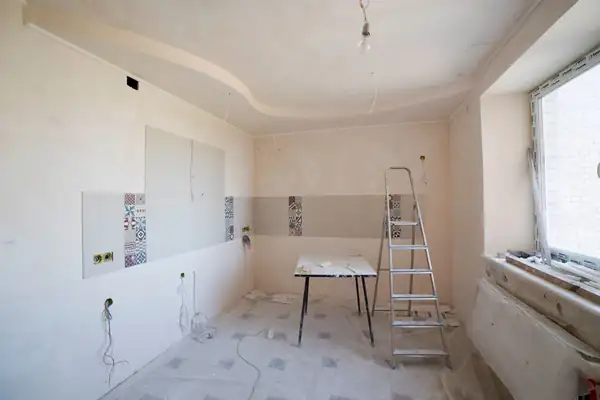
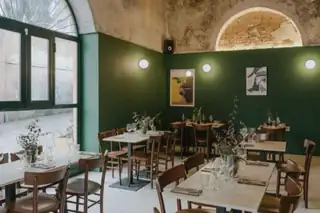
The choice to open here was almost instinctive. "When we walked into this space, we immediately fell in love with the street," says Gentili. "It was practically abandoned, and we thought it was a great challenge to try and breathe new life into it." The space, unused for nearly ten years, underwent a lengthy renovation, overseen by architect Alessandra Pedone, lasting about ten months. Before Elephant, it had had many different lives, even a medical plaster shop. It was precisely that latter business that gave rise to the chimney that now fuels one of the kitchen's central elements: the grill. Inside, there's now room for about forty people, plus eight seats at the counter overlooking the kitchen and a few tables outside.
Elephant's Kitchen in Rome: Grilled meats, travel influences, and dishes to share.
It's no coincidence that the heart of the gastronomic project revolves around fire and wood-fired cooking. This idea also developed through the partners' travels to cities like New York, Tokyo, and especially London, where restaurants like Kiln and Brat have helped popularize the open-grill cooking model. "We've always been fascinated by the idea of open fires, using wood instead of a pan," explains Gentili. "It's a very direct way of cooking, which lets the ingredients speak for themselves." In the kitchen, the chef creates a menu that blends diverse influences, from Asia to the Middle East, while maintaining a strong focus on ingredients and seasonality. Fish plays a key role (the chef has long focused on seafood, including during a stint at Enzo al Frontone in Ponza).
The menu doesn't feature overly structured dishes or rigid portions, but a sequence of smaller dishes to be placed in the center of the table. "We almost exclusively have small plates; we like the idea of sharing and an informal table, where you can taste several things at once." This is also why the menu is set to change frequently. Some dishes remain staples, but the offerings closely follow what the suppliers provide. "The season is always the basis, but the fishermen and what we find each week also play a big role. Since opening, the menu has changed several times."
What to eat at Elephant in Rome
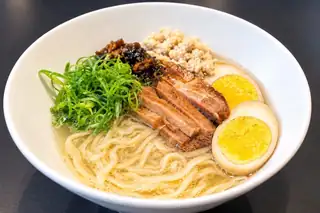
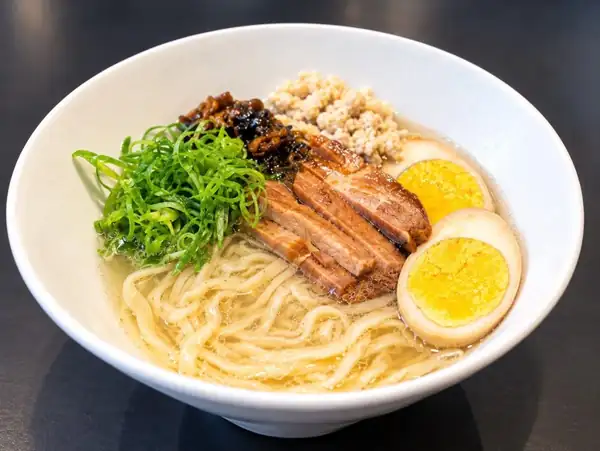
The menu, as we mentioned, is designed to be shared: a streamlined menu, all on one page, without the traditional division into appetizers, first courses, and second courses. The idea is to serve small plates, ordered and placed in the center of the table. Among the options are beef tartare, broad beans, and pecorino cheese (22 euros), sea bass carpaccio with pickled green tomatoes and mint (24 euros), and stuffed pigeon with brown stock and mashed potatoes (18 euros). Vegetarian options are also available, such as cacio e pepe cauliflower with caramelized lime onion and almonds (16.50 euros), as well as daily specials like tuna heart, bottarga, and fried almonds.
Elephant is still in the initial phase of its operation. It currently operates three evenings a week (Thursday through Saturday), including aperitivo, dinner, and after-dinner drinks. It has recently introduced lunch (Monday through Friday), with a quicker option designed for students and workers in the neighborhood. "A quick but carefully prepared menu: stuffed pizzas, soups, a meat dish, a fish dish, and maybe spaghetti with clams. Something different from the usual San Lorenzo offerings," says Andrea Gentili.
What to drink at Elephant in Rome
Completing the Elephant experience is a beverage selection that's in keeping with the spirit of the establishment. The wine list, curated by the partners, particularly Luca Marengo, follows the same "no frills" philosophy as the kitchen: plenty of room for natural wines, but without extremes, to satisfy even the most discerning palates. The selection is deliberately streamlined (about 40 labels), with a strong Italian presence complemented by a few French and South African offerings, always with a focus on small producers. Prices are also kept affordable (between €26 and €65), with the idea of allowing guests to enjoy a good drink and discover carefully selected bottles.
Alongside the wine, a short drinks list features classic mixology drinks and a few niche liqueurs. All this is accompanied by background music from the members' vinyl collection, played on a small, basic sound system. The restaurant will soon begin hosting wine-related events, including meetings with producers organized in conjunction with Les Caves de Pyrene, as well as collaborations with chefs and other culinary establishments.
Elephant. Via degli Irpini 22, Rome. Tel. 339 405 5628. Instagram.