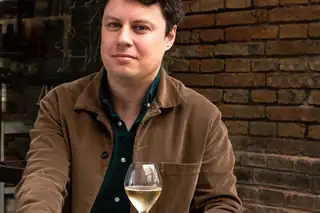
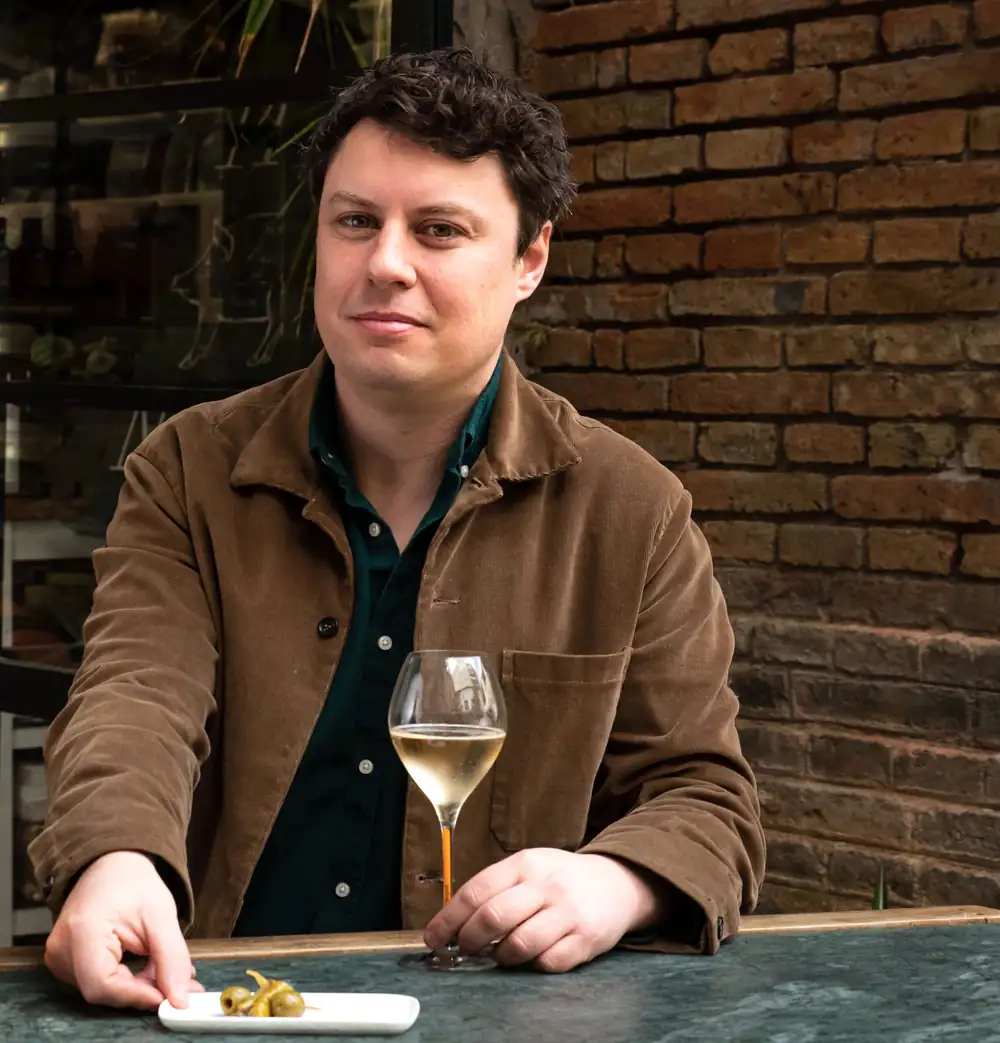
Buster Turner and the Rooftop Smokers 7 Cannibals
Following an intuitive procedure, they smoke everything from gildas to cream or butter.
Buster Turner relates to the smoke in a very personal way. Almost intimate. He doesn't use thermometers or timers. He has no fixed recipes or set times. The process can change from one batch to the next depending on the size of the pieces or their fat content. Every twenty or thirty minutes, Buster opens the stove and, if necessary, refreshes the fire or stirs the embers in a completely artisanal process that he never knows when it will end. And if he has to sleep next to the stove, he lays down a mattress and sleeps.
At Roftop Smokehouse, they smoke bacon, trout, and pastrami, but they also venture into less explored territories, like cheese and butter. In any case, we always discover a new side of smoked foods. Their sea bass, for example, is mild and delicate, their piparras peppers are powerful and robust, and their butter is simply addictive. Most of their recipes stem from Buster's own creative drive, but for the development of certain products, they collaborate with renowned chefs and restaurants. They conceptualized smoked piparras peppers with Jordi Cruz. They supplied Albert Adrià with the eels he used at Tickets, and they've even worked with the Lasarte pastry shop to create a smoked cream. All of this happens in a small cove in Barcelona's Eixample district.
Buster and his partner, Carla Rodamilans, are revolutionizing the world of smoked foods, and we want to know how and why.
Can everything be smoked?
“Yes, but it doesn’t always turn out well. For example, Stilton doesn’t turn out well, but Cheddar is fantastic. And a smoked oil is very difficult to find because if the oil is good, it ruins it.”
What does smoke contribute?
"It's a complement to the product, nothing more. And if it doesn't improve it, don't do it."
Is there really a noticeable difference between the woods?
“It’s a bit of marketing. How the wood burns is more important than the tree it came from. It’s more important that it’s very dry and burns at the right temperature.”
Do you prefer to smoke wild or cultivated products?
“Both. It’s fantastic to use seasonal mackerel, but there are things like trout or farmed pork that also work very well. Of course, the product has to be good.”
Smoking is a technique that is not widely used in our area. How does it relate to the Mediterranean diet?
“Smoked foods come from cold climates. There, it was a way of preserving food. But now we have refrigerators, so we can make lighter smoked foods that work well with this type of cooking.”
You don't have thermometers and they say you sleep next to the oven... do you have to be such a stickler for the rules to make a good product?
“Yes. We have some thermometers to document what the health authorities require, but we don't have recipes like industrial products; we work by testing. Each fish is different, and each season it has a different fat content.”
Is there room for creativity in smoking?
“Of course! There’s very little written about smoking, so we learn and invent every day. Everything is new. Now we’re smoking pickles, and more things will come out because we collaborate with the R&D departments of great chefs.”
They say that blue preserves improve with age. Does the same happen with smoked foods?
"It takes a couple of days for the smoke to stabilize, that's why I see people using smoke pipettes and I think it's a mistake. But after the third day it stops progressing."
What do you think of Mediterranean salted fish?
"It's an impressive connection to the past, and they're delicious."
All their smoked products are cut with a knife. Why?
"Because it results in a much better texture."
What is your favorite knife?
“I have two. One is Florentine kitchen knives, and the other is Utset.”
Why are products cured before smoking them?
“Before we did it to remove water and make them last longer, now it’s just to give them a touch of salt.”