Are you really worried?
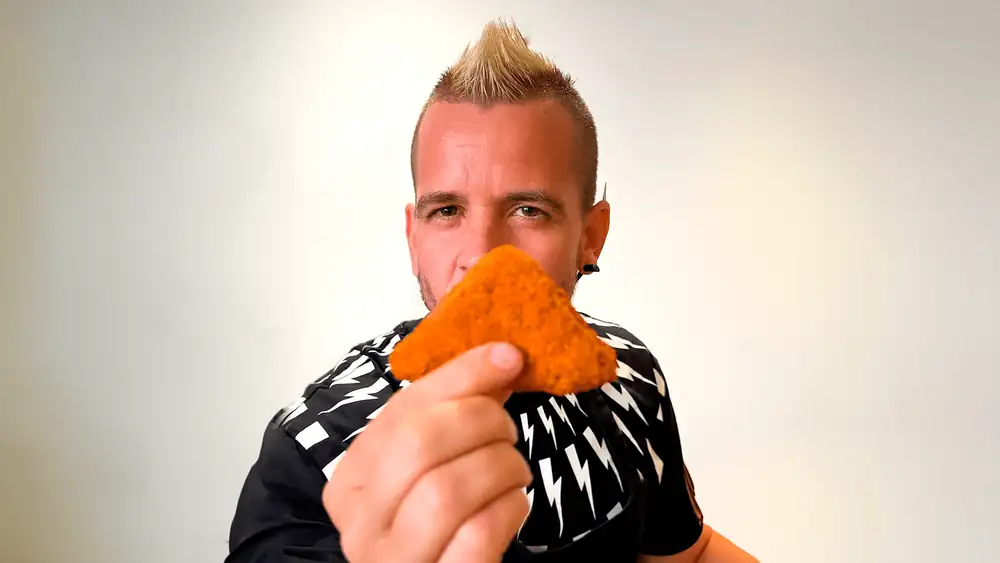
David Muñoz has made two decisions in recent weeks that have reverberated around the world. The first, and most significant, came to light when David himself—excuse the digression, but the whole Dabiz thing still bothers me—announced in a press release that he was abandoning the new restaurant project he had planned to open in La Finca. I'm glad he got out of there; he did the right thing escaping
The other story is nothing more than an anecdote. It should have remained within the confines of the gastronomic world, perhaps for the compulsive foodies who make up the legion of collectors of pastries and Beef Wellingtons who frequent haute cuisine. But the sensationalism of modern journalism has preferred to turn it into news: Diverxo raises the price of its menu by 23%, which will now cost 450 euros. Give or take a word, the headline has swept through the media like a whirlwind, showcasing the yellow journalism that is now applied to our news. Does it really matter? To whom?
I read the supposedly gastronomic media and I'm beginning to understand the reasons that are leading the world toward dystopia, and among them are neither clarity of thought nor good intentions. I read the same headline when Disfrutar took first place in the rigged 50 Best rankings, although it didn't provide figures; it was just a media outlet's doing and it followed an old tactic: grabbing attention to get a few more likes. It's best not to give any more details, because the news itself contradicted the headline: the price increase that supposedly justified it was a mere 5 euros. I had come across it two years earlier, perpetrated by the same sensationalist, when Cenador de Amós received its third star. It didn't matter that after the price hike it was still the cheapest menu among the three-Michelin-starred Spanish restaurants; a mere anecdote. So much ink, so much paper, and so many pixels wasted for that? Sensationalism is invading the gastronomic press, dangerously pushing it toward the tabloids.
Who cares about the price of Diverxo? Those people who will never visit and to whom we've provided the walls of our social media as a space for rambling? Those who don't hesitate to shell out the €1,990 they pay for the adventure at the Alchemist sommelier's table? Those who boast about visiting three-Michelin-starred restaurants in France for €700 or €1,000 a bite? Us, who only go to Diverxo because we've been invited? Those who never paid the €365 it cost a year ago, or the €395 it cost until two weeks ago? Those who got the menu and Millán's pairings—bordering on extravagant, by the way—for free? Are you more worried now than when it cost €55 less?
In return, we don't seem to care about stories that I find important. It doesn't alarm us that two portions of food and four beers in a bar will set you back 50 euros, that an average Madrid restaurant costs around 80, that bills of 150 or 200 euros are the norm, that restaurants charging 400 euros (what does it matter if they include wine or a bed?) are not an exception in Madrid. Nor are we bothered by double lunch shifts, the absence of tablecloths, paper napkins, raw meat dishes that don't taste like meat, unsalted bone marrow, massacred fish, cocktails with more ice cubes than mix, sushi with cold rice, cheap fried food, Empura disguised as Orly, clone restaurants, third-rate coffee, oysters disguised as real oysters, potato salad with caviar, the shortcuts in the kitchen, the abandonment of reflection, the situation of the worker once one moves beyond the limits of haute cuisine, the absurdity of communication agencies, the profound ignorance of the industry…
Yellow journalism, the sensationalism of newspapers like Pueblo or El Caso (look it up in the archives, it's worth it), and later the glossy magazines, have permeated the new habits of food journalism, and with them came the era of trigger-happy reporting and sensational, albeit spurious, headlines. These are the headlines that fuel social resentment and feed attacks against cuisine.
Things like this were spewed out on one of the Instagram walls where the news was published: “Bugs,” “I doubt it will be reflected in working conditions,” “It’s going to close soon,” “The fake punk chef,” “I hope he doesn’t create other monstrous chefs like him,” in addition to the inevitable references to the chef and his family… Do we really want this for the kitchen?
Everything has its downside. Culinary sensationalism has gifted the punk chef one of the best advertising campaigns of the decade. The pity is that it's barely had any impact on the market: the reactions of those who read a headline (too daring to repeat the stunt with the text) and then rave, and of those actively involved in the industry, won't translate into anything: neither more nor fewer customers. For now, the space is what it is, and the waiting list will remain the norm. The price is also a draw; for a segment of the public and for trigger-happy journalists, who went to bed last night with the smile that only a job well done can bring. Screw that punk.