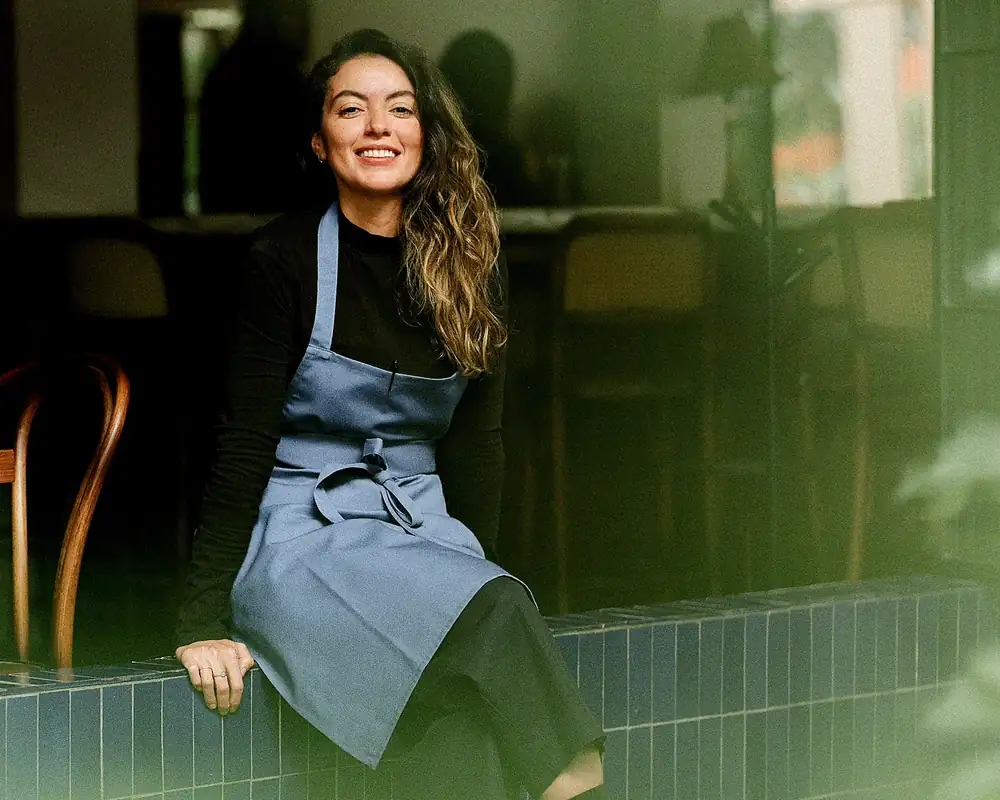
Cana: the freedom to cook what you like
Cana is a place that at first glance appears to be a French-style bistro on a charming corner in the Juárez neighborhood, but there are twists in the menu and gestures in the hospitality and style of chef Fabiola Escobosa that transcend the mold.
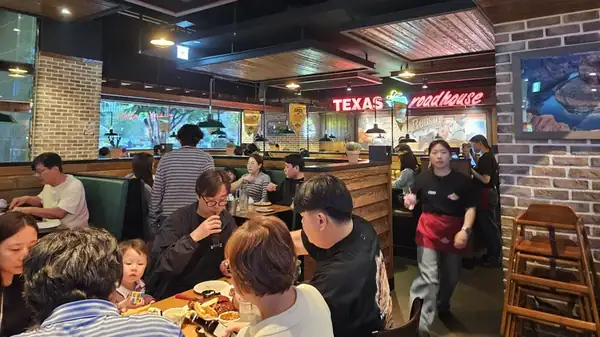
The space in Colonia Juárez is also like that; like that cool friend who doesn't realize she's cool. Effortlessly elegant, with spaces that offer privacy and romantic corners without being cheesy, and with a bar facing the action of the kitchen where it's stipulated that a hamburger can be served—a milestone that isn't on the menu and which we'll return to later.
Autobiographical Menu
Cana's menu is also a kind of autobiography for Escobosa. A recurring theme is her training in New York with Ignacio Mattos, alongside her pastry chef mother, her home cooking in Mexicali—a vibrant, border region with a cuisine influenced by Chinese cuisine and close to Pacific seafood destinations like Ensenada—and her return to Mexico with the Enrique Olvera group. This is how this chef can gather and reinterpret the best of different cultures and then present them on the table with such flair.
The house bakery is a good example of the freedom with which the proposal moves between its influences, such as the ricotta cassava bread, a nod to the classic breads that are served, among other things to accompany coffee, in countries like Colombia, Ecuador and Brazil, and to which Escobosa gives a sweeter touch by adding a portion of ricotta to spread on each bite.
There are also Asian touches, such as parsnip dumplings with dashi and fennel; or a classic jumbo shrimp cocktail with a hint of shiso. From classic, European, and Mexican cuisine, Escobosa favors dishes like the Caesar salad, a famous Tijuana dish served here with crisp, fresh lettuce sprinkled with cheese and that anchovy dressing that gives the combination life and depth.
In the middle of it all are a hand-cut steak tartare, steak frites (that one, yes, very French) and that hamburger I mentioned before: a construction of good bread (here, as we said, the bread is an area of special attention), a disc of meat cooked to the point (juicy, red in the middle), interspersed slivers of cheese, tomato, lettuce and a crunchy pickle to nibble on while facing this piece of comfort food.
With their wines, they apply the same principles: there is indeed an approach to minimal intervention, but no marked loyalty to France or Europe in general. This opens the door to emerging projects such as a light cider (barely 6% alcohol) made from apples and pears from Nopaltepec, or a Californian wine crafted like a Sherry.
For dessert, Fabiola Escobosa leans towards the indulgent. Don't miss the Basque-style cheesecake, with its center that's somewhere between the creamy consistency of a mousse and a flan. If you prefer lighter desserts with a vegetable element, be sure to try the panna cotta with granita and fennel.