Aromaticus in Trastevere: five healthy dishes to try (and fermented sauerkraut)
Aromaticus in Trastevere: five healthy dishes (fermented and otherwise) to try. Fermented foods have been all the rage lately, and it seems like we're just discovering them. But what are they? And where can you find them?
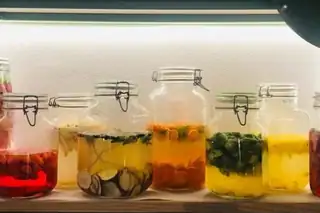
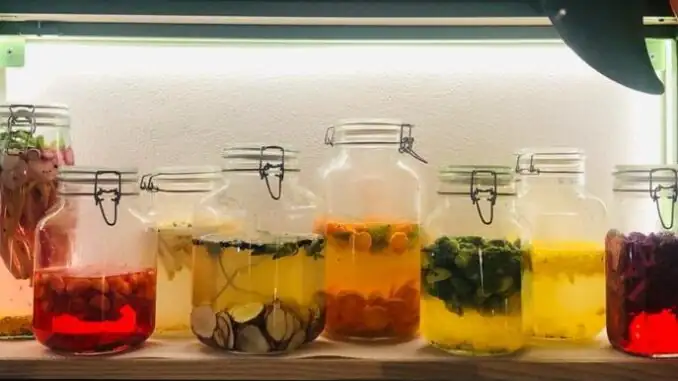
We visited Luca and Francesca, owners of the two Aromaticus restaurants, the historic one in Monti and the new one in Trastevere: "Fermented products have always been around us. We have beer, wine, cheeses, and cured meats that are subjected to this process of food transformation through the work of bacteria. Once the fermentation process is activated, the good bacteria (probiotics) prevail over the pathogens (harmful bacteria). A good dose of probiotic bacteria in our intestines ensures better health. When we're sick, for example with stomach flu, we take live cultures (like yogurt) to restore the bacterial flora. Finally, a healthy trend has exploded, aimed at helping us eat better." This habit has always been present in the East, used for medicinal purposes (healing the inside to feel good on the outside), while in the West we have only recently realized the importance of a macrobiotic diet. "In Monti, kimchi and fermented cashew cream are popular. In Trastevere, we specialize in kombucha (€4), a probiotic drink, and fermented vegetables like sauerkraut. Kombucha, or "elixir of long life" as it's called in the East, is green or black tea fermented by a scoby (a symbiotic culture of yeasts and bacteria). It vaguely resembles a relative of vinegar, in that it's a gelatinous disk that forms on top of the fermenting tea." Aromaticus offers a kit for making kombucha at home (€35).
How does the fermentation process begin? "With the presence of a series of factors: bacteria or starter culture, sugar, which is the bacteria's quintessential food, and a mild, stable temperature," Luca continues, "the first hangover in human history probably occurred with mead: water and honey fermented in a hollow tree trunk." Fermentation is the first observed food preservation process.
Hummus e Pickles
Creamy chickpea and lacto-fermented vegetable soup (vegan and gluten-free options available). €6 for a small plate and €10 for a large plate.
Seared mackerel
Seared mackerel with mashed potatoes and glazed spring onions (16 euros).
Vegan Burger
Legume and grain burger, served with caramelized onion, vegan mayonnaise, and salad (€13). It's also available in a completely vegan version.
Cream of carrot and ginger soup
Hot carrot and ginger soup served with croutons (8 euros).
Hummus and spiced roots
Cream of chickpeas and baked roots in curry (7 euros for a small plate and 10 for a large plate).
At the Monti location, they often use kimchi in their power bowls. Kimchi is fermented Chinese cabbage with chili peppers, garlic, and ginger. It's Korea's national dish (like bread is ours). Every family has its own kimchi recipe, passed down from generation to generation.
Aromaticus will soon be offering courses on how to ferment beverages. A while back, they even ran one specifically on food. The easiest food to ferment? Luca says it's sauerkraut, and, very cheerfully, he even shares the Aromaticus recipe for making it at home (even for beginners).
It consists of chopped cabbage, rubbed with a certain amount of salt depending on the weight of the vegetable. Lactobacilli, naturally present on cabbage leaves, act as a starter culture to kick-start the process.
Aromaticus Trastevere, Via Natale del Grande 6/7, Rome. Tel. 06-88798381. Website.
Aromaticus Monti, Via Urbana 134, Rome. Tel. 06-4881355. Website.