Osteria Anice Stellato in Venice, review: a restaurant outside the box
Behind the much better-known and—unfortunately—busy Fondamenta della Misericordia, Fondamenta della Sensa, in the Cannaregio district, still manages to maintain a certain degree of autonomy and independence from the tourist trap.
The place
While it's not uncommon to find "malvasia streets" dotted around Venice, evidence of a past in which commercial activities related to wine tasting defined urban spaces and locations, as well as clearly defined consumption methods (Malvasia was a shop where "sea wines—imported by sea—were sold, especially those from Malvasia"—namely, Monemvasia, a city in southern Greece—from Cyprus and Puglia." The Malvasia guild was separate from that of other wine sellers), it's refreshing to find that to reach Anice Stellato, you pass through one of these streets and cross the bridge of the same name. While for many years the place was a traditional tavern, serving creamed cod, mixed fried fish, and paper straw, in recent years—thanks to a focus on wine, combined with a cuisine that breaks free from the narrow confines of the typically stuffy atmosphere—it seems to be more in tune with its past history and have found its own well-defined identity.
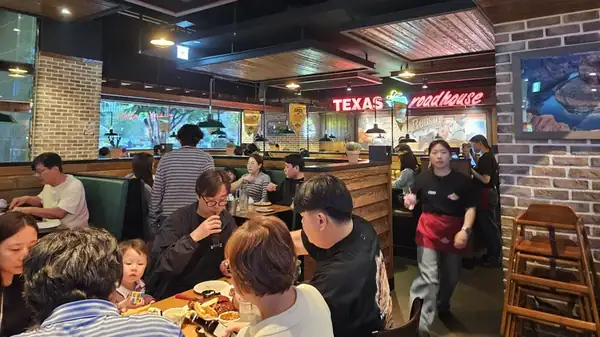
Credit goes to the owner, Elisa Pantano, who has successfully steered the place in a certain direction—not just gastronomically, but culturally, one might say. The influence of her humanistic background is evident in the many sociological, philosophical, and political references scattered throughout, in various formats, from the flag in the window to the books. The furnishings follow the same logical thread: wooden tables (without tablecloths) and chairs, vintage kitchen utensils, plants, ceramics, and, most importantly, two giant photographs of fish. The atmosphere, in short, is welcoming, thanks to a handsome counter at the entrance, a combination of tables for two and larger tables, and the presence of a space to the right of the entrance dedicated entirely to wines, which takes the form of a sort of bookcase.
There are two dining rooms, the first with windows overlooking the foundations, the second—further inland—still well-lit. The dining room is staffed by young, calm staff. The menu and wine pairings are carefully explained, especially to tourists. The wine list demonstrates a focus on artisanal and natural producers, without extremism.
The menu and the dishes
The menu features a limited number of options, which vary based on market availability and, of course, the season. Fish and meat alternate in a cuisine that transcends the Venetian tradition (referenced only in a couple of dishes) to draw on Eastern influences (katsuobushi, wasabi), non-regional traditions (Neapolitan ragù, cacio e pepe), or more broadly, contemporary cuisine that plays on constant contrasts of flavors and textures, while always ensuring a wide range of choices between dishes with lively twists and more placid ones (see the catch of the day with creamed potatoes and green beans). The combination of meat/fish and vegetables is, however, almost always present. A winning choice, even if now a consolidated habit almost everywhere, is the choice to offer a welcome dish from the kitchen at the beginning and a pre-dessert at the end: specifically, the fried pacchero pasta at the beginning and the brownie at the end would work perfectly and very deliciously in a plate format.
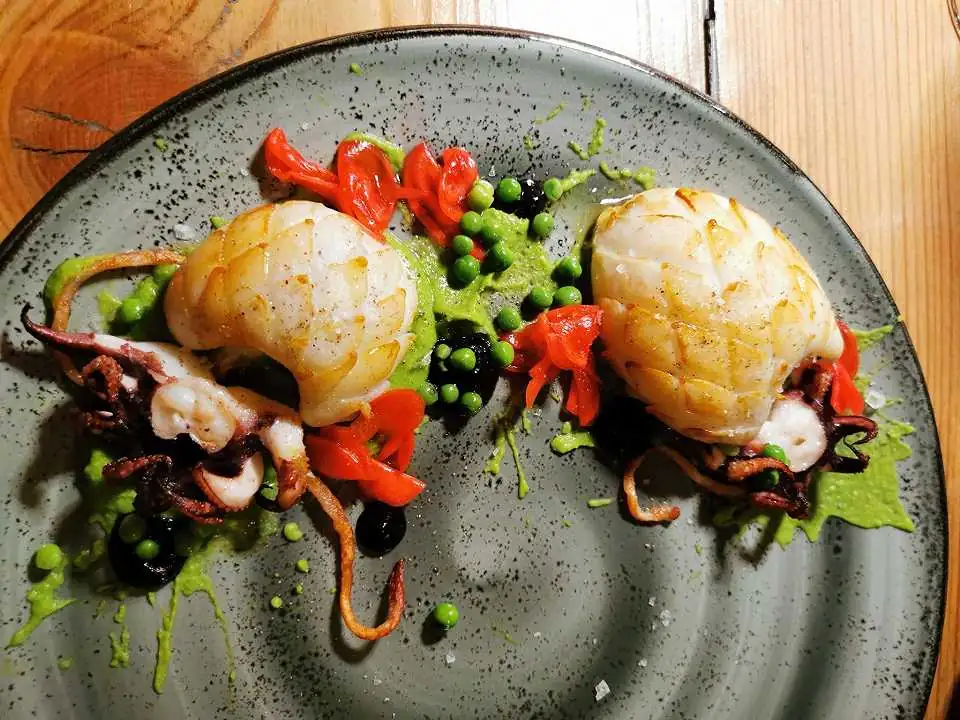
Appetizers are priced at around €18, as are first courses. Second courses range from €25 to €28. It starts with stewed snapper with baby spinach, which, while well-cooked to prevent the fish from becoming stringy, and with a pleasant sauce, is nevertheless penalized by its placement as a main course: the portion and the presentation, in short, detract from its appeal. We continue with ravioli filled with meagre, butter, thyme, and lemon, puffed millet, and katsuobushi. The dish works for several reasons: the thickness of the pasta, perfect for showcasing a filling that's full of flavor yet delicate. The flavored butter balances the dish with a measured acidity, enhanced by the umami of the dried fish. The crunchiness of the millet arrives at the finish, lending a more substantial chewiness to the palate. The reinterpretation of a great spring classic—cuttlefish and peas—wins the award for best course of the dinner. While the ingredients are simple (in addition to the two main ingredients, marinated radishes also feature) and the colors (playing on the black and white contrast, as well as the complementary red and green), the flavors are vibrant and vivid. The soft and flavorful cuttlefish avoid the pitfall of rubberiness, while the sweet and velvety peas find the perfect counterpoint in the tart radishes. In a single bite, you'll find everything in perfect harmony: lovers of the expression "tradition and innovation" will find something to rejoice in. From the list of desserts, recited aloud and featuring, among others, reinterpretations of tiramisu and cassata, the choice falls on a chocolate fondant with salted peanuts and blueberry cream. It's a veritable giant praline, which on the one hand hits the mark of flavors while avoiding excessive sweetness, on the other hand, is difficult to cut. We'd like to offer a tip to enhance it: by calibrating the consistencies, the flavors of the ingredients would benefit even more.
Opinion
Renovated in both form and substance, Osteria Anice Stellato offers cuisine that breaks away from the rigid norms of traditional fare and embraces contemporary influences in both its use of ingredients (references to Eastern cuisine) and presentation. The menu, featuring a limited number of dishes, focuses on meat and fish and changes according to market availability and the season.
PRO
- Pleasant, friendly and relaxed atmosphere.
AGAINST
- Some dishes deserve to be enhanced more, correcting the plating and textures.