Can You Eat The Green Spots On A Pumpkin?
With September halfway through, everyone is anxious to get into all things pumpkin. From the unique history of jack-o'-lanterns to making Thai-inspired coconut and pumpkin soup at home, almost everyone has something pumpkin related that they look forward to all year long.
For the more adventurous home cooks and bakers, learning to work with pumpkin in the kitchen can be a fun and rewarding experience. However, concerns always arise when green spots are seen on pumpkins. Fortunately, unlike other produce, green spots on pumpkins are safe to eat and not a cause for concern.
Green spots would be considered unsafe on produce like tomatoes or potatoes specifically, as spots on these types of plants typically have a poison known as solanine. This compound can cause a variety of symptoms, from nausea and vomiting to abdominal pain and even death in severe cases. Fortunately, pumpkins are not one of the types of produce to carry this compound, therefore green spots are safe to eat.
Which spots are safe?
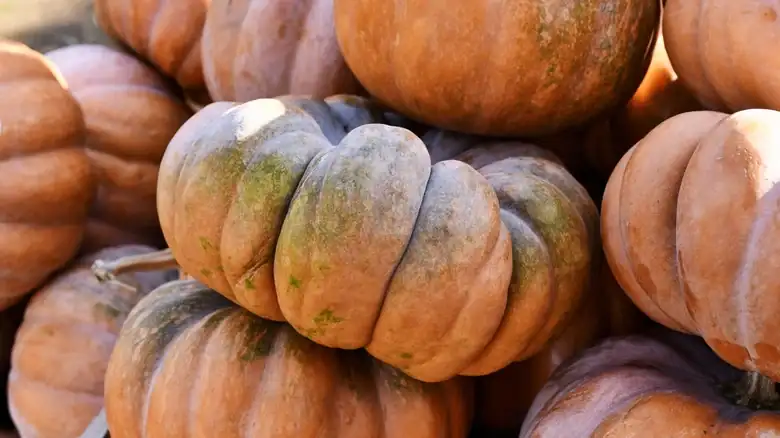
On pumpkins, there are typically two types of green spots: unripe pumpkin flesh or mold. Thankfully, spotting the difference is quite easy. Green mold on pumpkins will appear fuzzy or slimy, and will typically come with an unusual and unpleasant smell. Moldy patches should not be consumed, and depending on the severity and spread of the mold, the pumpkin may need to be discarded as a whole.
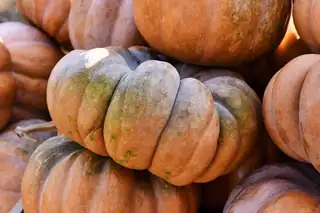
Green spots that appear to be part of the pumpkin's flesh or skin itself are usually just a sign that the pumpkin is not fully ripe yet. Pumpkins are typically green at the start and develop their signature orange color over time as they ripen. These green patches just mean certain spots did not have as much sun exposure.
Green spots that are caused by being slightly underripe are safe to eat. However, they may taste a bit different than the orange parts of the flesh. Typically, green spots will taste less sweet. Pumpkins that have exterior green spots but orange flesh will taste almost exactly like a perfectly ripe pumpkin. Any green flesh caused by being unripe can still be cooked with, particularly in stews.