Easy and quick homemade guava jelly recipe for beginners
If you love the authentic and traditional flavors of Peruvian cuisine, you'll surely love making homemade guava jelly that captures all the sweetness and aroma of this popular tropical fruit.
In this article, we'll teach you step-by-step how to make this delicious treat, using easy-to-find ingredients and simple techniques that will guarantee a spectacular result. Forget about store-bought versions full of preservatives and artificial sugars; with this homemade guava jelly recipe, you can control the quality and flavor, tailoring it to your personal taste.
What is guava jelly and why make it at home?
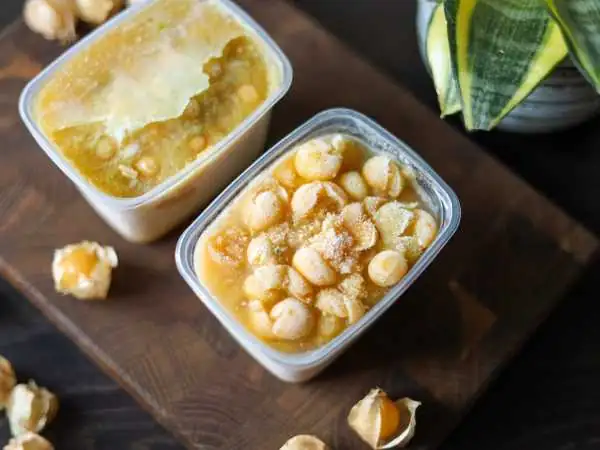
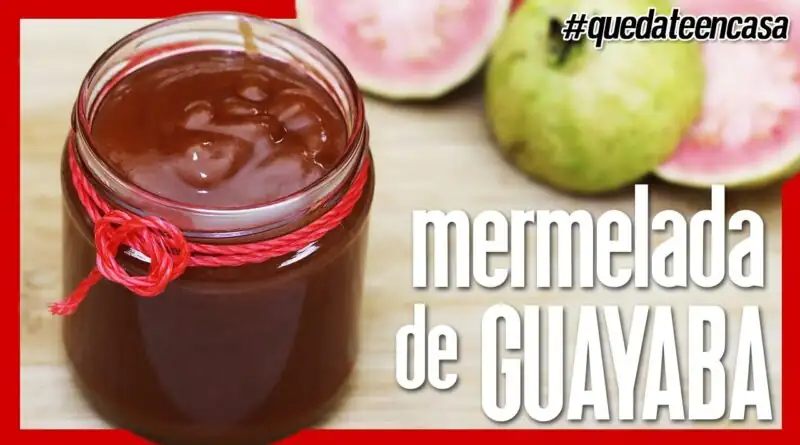
Guava jelly is a traditional sweet made from guava pulp, sugar, and sometimes lemon juice to enhance its flavor. Its gelatinous texture and vibrant color make it a delight for the palate and an ideal spread for bread, cheese, or simply enjoyed by the spoonful.
Making this preserve at home has many benefits. First, the freshness of the Peruvian fruit guarantees an intense and natural flavor. Second, you avoid the additives and preservatives often found in commercially produced products. Finally, it's a fun and educational activity, perfect for those just starting out in the culinary world and wanting to experiment with traditional ingredients.
Ingredients for an easy and quick homemade guava jelly
To make this dish, you'll need just a few ingredients, all readily available and inexpensive. Here's a list of what you'll need:
- Fresh guavas: approximately 1 kilogram, preferably ripe for greater sweetness.
- Water:
These basic ingredients will allow you to create a jelly with the ideal texture and flavor, without complications or hard-to-find ingredients.
Detailed steps to prepare homemade guava jelly without complications
Preparing this preserve is very simple, but it requires attention at each stage to obtain a quality final product. Below, we explain the process step by step:
1. Wash and prepare the guavas: Begin by washing the guavas thoroughly to remove any dirt or residue. Then, cut them into medium-sized pieces, without needing to peel them, as the peel adds color and nutrients to the jelly.
2. Initial cooking: Place the guava pieces in a large pot along with the cup of water. Cook over medium heat for approximately 30 to 40 minutes, until the fruit is very soft and has released its juice. During this time, stir occasionally to prevent sticking.
3. Blend and strain the pulp: Once the guava is cooked, remove the mixture from the heat and let it cool slightly. Then, blend the fruit to obtain a smooth pulp. To remove the seeds and tough fibers, pass this pulp through a fine sieve or mesh strainer, pressing with a spoon to extract all the juice and soft pulp.
4. Add the sugar and lemon juice: Return the strained pulp to the pot, add the sugar and lemon juice. Mix well and bring to a medium-low heat. This is where the concentration and gelling process begins.
5. Cook until desired consistency is reached: Cook the mixture, stirring constantly to prevent sticking or burning. This step may take between 45 minutes and one hour. To check if the jelly is ready, place a small amount on a cold plate and see if it sets as it cools. If it remains too runny, continue cooking and tasting until you achieve the ideal consistency.
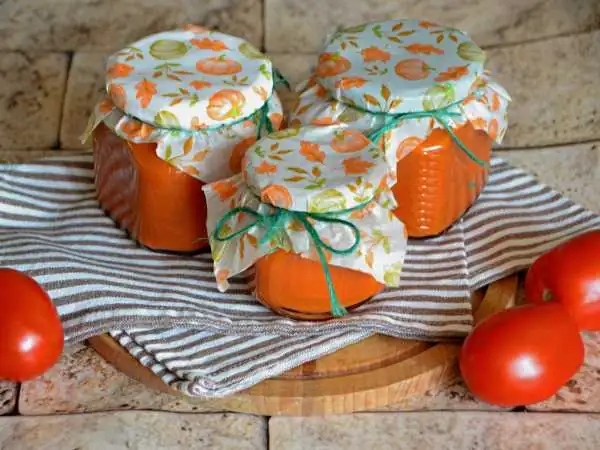
6. Packaging and storage: Once the jelly reaches the perfect consistency, remove it from the heat and pour it into previously sterilized glass jars. Let it cool to room temperature before sealing the jars with airtight lids. Store in the refrigerator to prolong its freshness and flavor.
Tips for perfecting your guava jelly preparation
To ensure your homemade preserves turn out perfectly and have an unbeatable flavor, we recommend taking into account some tips and tricks that will help you improve each batch you prepare:
- Use fully ripe guavas: This will guarantee a natural sweetness and an intense aroma, as well as make it easier to extract the pulp.
- Don't skimp on cooking time: The gelatinous texture is achieved with patience. Cooking over low heat and stirring constantly prevents the mixture from burning.
- Adjust the sugar to your liking: If you prefer a less sweet jelly, you can reduce the amount, but remember that sugar also acts as a preservative.
- Lemon juice is key: Not only does it provide acidity to balance the flavor, but it also helps the jelly to keep better and prevents it from crystallizing.
- Proper storage: Keep jars in the refrigerator once opened to prolong their shelf life and preserve the flavor.
Variations and uses of this traditional Peruvian preparation
One of the advantages of making this preserve at home is that you can experiment with different variations and culinary applications. Here are some ideas to help you get the most out of your homemade jelly:
Mix with other fruits: You can combine guava with fruits like pineapple, orange, or passion fruit to create a jelly with more complex and refreshing flavors.
Incorporate spices: Adding a touch of cinnamon, cloves, or vanilla during cooking can give it a warmer and more special aroma and flavor.
As a breakfast accompaniment: Jelly is ideal for spreading on bread, cakes, or even chuta bread, a typical Peruvian bread. It's also delicious with fresh cheeses or butter.
In traditional desserts: Use it to fill cakes, alfajores, or to accompany ice cream and natural yogurts, adding a fruity and sweet touch.
Homemade gifts: Jars of homemade jelly are a lovely gift for special occasions, showing love and dedication in every container.
Why is this recipe ideal for those starting out in the kitchen?
This method for making guava jelly is perfect for beginners because it doesn't require complex techniques or special equipment. You just need to follow clear instructions, be patient, and pay attention to details like texture and flavor during cooking.
Furthermore, the process is very rewarding: seeing how a simple fruit is transformed into a sweet with body and unique flavor encourages you to continue exploring other homemade preparations.
In summary, this traditional preserve is an ideal entry point for those who want to get started in Peruvian baking or home cooking, taking advantage of local ingredients and fostering creativity in the kitchen.
Nutritional aspects and benefits of guava in homemade jelly
Guava is a fruit rich in vitamin C, dietary fiber, and antioxidants, making it a healthy addition to our diet. Making guava jelly at home helps preserve many of these nutrients, especially if we avoid using excessive sugar.
In addition, the fiber present in the pulp aids digestion and contributes to a feeling of satiety, while the antioxidants support the health of the immune system and the prevention of diseases.
Of course, as with any sweet treat, it is recommended to consume jelly in moderation, but its homemade preparation with natural ingredients makes it a much better option than industrial versions.
Common mistakes when making jelly and how to avoid them
To make your homemade jelly perfect, it's important to know some common mistakes that people make when preparing this preserve for the first time:
- Not straining the pulp well: This can leave seeds or hard pieces that affect the final texture.
- Cooking over very high heat: It can burn the mixture or cause the sugar to crystallize.
- Add the sugar from the beginning: It is best to add it after obtaining the pulp to better control the cooking and prevent it from caramelizing.
- Not testing the consistency: It is essential to keep checking the texture to avoid it being too runny or too hard.
- Using unsterilized jars: This can cause the jelly to spoil quickly due to bacterial contamination.
If you follow these tips and steps, you'll have a delicious, safe product that you can enjoy for weeks.
An invitation to experience and share Peruvian culinary culture
Making this homemade preserve is not only a way to enjoy a delicious treat, but also a way to connect with Peru's culinary roots and traditions. Guava is an emblematic fruit of our land, and bringing its flavor to your table with this recipe is an act of love and pride for our culture.
We encourage you to try this recipe, adapt it to your tastes, and share it with your family and friends. The kitchen is a space for creativity and togetherness, and what better way to do so than with ingredients that represent our Peruvian identity?
Try making your own homemade jelly and enjoy an authentic, natural flavor made with love!