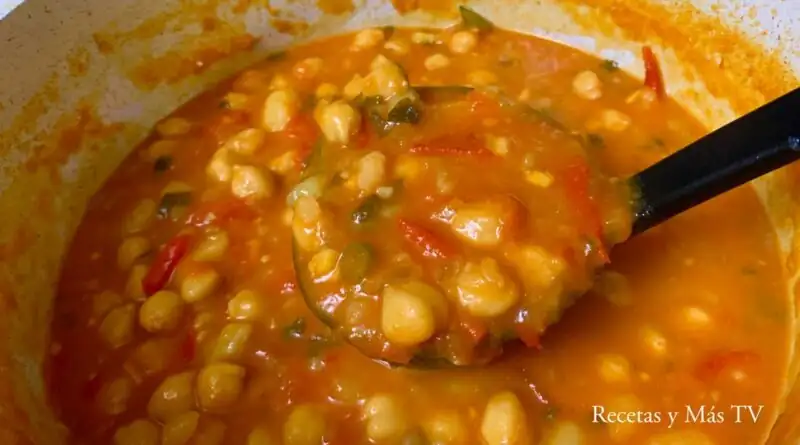
Easy and traditional step-by-step recipe for stewed chickpeas
Delicious homemade preparation of stewed chickpeas: a Peruvian tradition
In Peruvian cuisine, stewed chickpeas hold a special place for their comforting flavor and nutritional value. This simple yet historically rich dish has remained a staple in family kitchens thanks to its versatility and ease of preparation. If you're looking for a traditional and easy recipe to enjoy a chickpea stew with that homemade touch that only Peruvian cuisine can provide, here's a step-by-step guide on how to make it.
Essential ingredients for a Peruvian-style chickpea stew
Before starting the preparation, it's essential to have the right ingredients. Their quality will directly influence the flavor and texture of the dish. For a traditional chickpea stew, you will need:
- 400 grams of dried chickpeas (you can use canned chickpeas to save time, but the flavor will be more authentic with dried ones)
- 2 tablespoons of vegetable oil or olive oil
- 1 large red onion, finely chopped
- 2 cloves of garlic, finely chopped or crushed
- 1 ripe tomato, peeled and diced
- 1 red bell pepper or yellow chili pepper, according to preference, cut into strips
- 1 teaspoon of ground cumin
- 1 teaspoon of ground ají panca (optional for color and flavor)
Step-by-step preparation of traditional chickpea stew
Starting a chickpea stew requires patience and dedication, but by following each step you can obtain an exquisite dish reminiscent of old-fashioned home cooking.
1. Soaking and pre-cooking the chickpeas: If you're using dried chickpeas, it's essential to soak them overnight in plenty of water so they hydrate and cook faster. The next day, drain and rinse them well. Then, boil them in a pot with clean water and a pinch of salt. Cook until tender, which can take 1 to 2 hours, depending on the type of chickpea. If you're using a pressure cooker, the time is considerably reduced to around 30 to 40 minutes.
2. Preparing the base sauce: While the chickpeas are cooking, heat the oil over medium heat in a large skillet or deep pot. Add the chopped onion and sauté until translucent and lightly browned, which will add natural sweetness to the dish. Then, stir in the chopped garlic and mix well to release its aroma.
3. Add the tomato and bell pepper: Add the chopped tomato and bell pepper to the sautéed vegetables. Cook over medium-low heat until the tomato breaks down and a thick sauce forms. This step is essential for the stew to have body and a rich flavor. You can lightly mash the tomato with a spoon to speed up the breakdown.
4. Season the stew: Add the cumin and ground ají panca, mixing well to combine with the other ingredients. The cumin gives it that characteristic flavor, and the ají panca adds a very appetizing reddish color, as well as a mild, smoky taste.
5. Combine the chickpeas with the seasoning: Once the chickpeas are cooked and drained, add them to the pot with the seasoning. Add enough vegetable broth or water to cover the chickpeas and a little more. Let the stew simmer, covered, over low heat for about 20 to 30 minutes so the flavors meld and the liquid reduces slightly, forming a creamy and flavorful sauce.
6. Adjust seasoning and serve: Finally, taste the stew and adjust the salt and pepper. If desired, you can add a little more chili pepper or cumin to your liking. Serve the dish hot, garnished with fresh herbs such as cilantro or chopped parsley, which will add freshness and color.
Tips for a perfect chickpea stew and delicious variations
The art of cooking stewed chickpeas lies in the small details that make the difference between an ordinary dish and a spectacular one. Here are some tips to make your preparation unforgettable:
- Use good quality chickpeas: preferably local or imported from recognized areas, to guarantee good flavor and texture.
- Soak the chickpeas for a sufficient amount of time: this not only reduces cooking time but also improves digestibility.
- Control the amount of liquid: the stew should have a thick, not runny, sauce so that it is consistent and easy to serve.
- Experiment with herbs and spices: in addition to cumin and ají panca, you can add bay leaf, oregano, or even a touch of cayenne pepper for a little more spice.
- Add vegetables: chopped carrot, potato or kernels of corn can be incorporated to give more body and variety to the dish.
In addition, there are regional variations of this dish that include meats such as chicken or beef, or the addition of rice to make it a more complete and nutritious meal. However, the traditional vegetarian version remains a favorite in many Peruvian homes.
Nutritional benefits of chickpeas in the Peruvian diet
Chickpeas are not only delicious, but they also offer numerous health benefits. They are an excellent source of plant-based protein, ideal for those seeking nutritious options without resorting to meat. Furthermore, they contain dietary fiber that aids digestion and helps maintain healthy cholesterol levels.
This food is rich in minerals such as iron, magnesium, and phosphorus, essential for the proper functioning of the body. It also provides B vitamins, which contribute to energy production and a healthy nervous system.
Incorporating these types of stews into your daily diet is a delicious and practical way to take advantage of the benefits of chickpeas, especially in a country like Peru, where culinary diversity allows it to be adapted to different tastes and lifestyles.
Ideal pairings and accompaniments for your chickpea stew
To fully enjoy this dish, we suggest pairing it with some accompaniments that enhance its flavor and make the gastronomic experience more complete:
- White rice or cilantro rice, which absorbs the sauce and balances the dish.
- A few slices of fried plantain for a sweet and crunchy touch.
- Fresh tomato and onion salad with lemon and salt, which provides freshness and contrast.
- Homemade bread or chuta, ideal to accompany and use up all the sauce.
If you prefer a drink, a glass of chicha morada or an infusion of Peruvian herbs complements this dish very well, maintaining the authenticity and spirit of traditional cuisine.
Final recommendations for enjoying your chickpea stew at home
When preparing this dish, remember that patience is key. The flavors develop best with time and careful cooking. Don't rush the sautéing process or the cooking of the chickpeas, as both are essential for achieving a smooth texture and a rich flavor.
Furthermore, if you want to prepare this stew for several people or to store and consume later, it is a dish that keeps well in the refrigerator and its flavor improves the next day, when the ingredients have had more time to meld.
Finally, feel free to adapt the recipe to your preferences and the ingredients you have available. Peruvian cuisine is a universe of possibilities, and this chickpea stew is a perfect example of how simple ingredients can be transformed into a dish full of history and flavor.