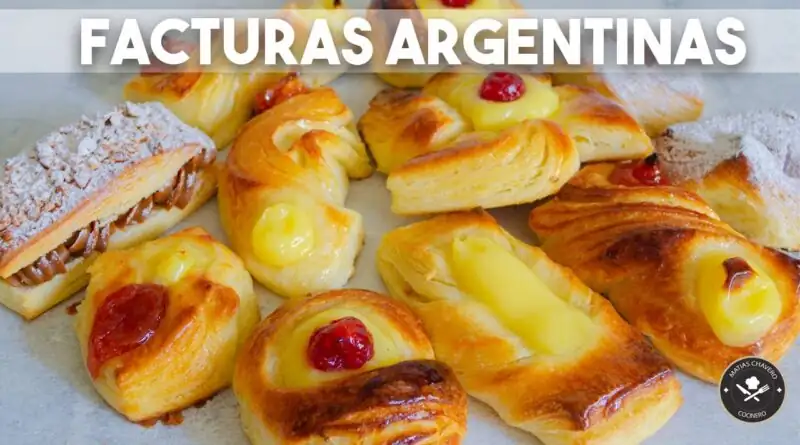
Argentine pastry recipe: how to prepare homemade pastries step by step
How to prepare homemade Argentine pastries: a complete guide
Argentine pastries are one of the most iconic and beloved baked goods of the Río de la Plata region. These sweets, enjoyed at breakfast or as an afternoon snack, are characterized by their soft, flaky texture and sweet flavor that delights both young and old. In this guide, we'll teach you step-by-step how to prepare homemade Argentine-style pastries so you can enjoy them in the comfort of your home in Peru, adding a traditional and authentic touch to your coffee or mate sessions.
What are invoices and why are they so special?
Facturas are flaky pastries made with a technique similar to croissants, but with a unique flavor and shape. They come in different varieties, such as medialunas (crescent rolls), vigilantes (small, round pastries), cañoncitos (small, round pastries), bolas de fraile (friar's balls), and berlinesas (Berliners), each with its characteristic filling or topping. In Argentina, they are an integral part of everyday culinary culture, and making them at home is a wonderful way to experience this tradition.
Essential ingredients for preparing Argentine-style pastries
Step-by-step preparation of homemade pastries
1. Activate the yeast
In a small bowl, combine the lukewarm milk (not hot, to avoid killing the yeast) with a teaspoon of sugar and the crumbled fresh yeast. Mix gently and let it sit for about 10 minutes, until the mixture begins to foam. This indicates that the yeast is active and ready to work.
2. Prepare the base dough
In a large bowl, sift the flour to remove any lumps and incorporate air. Add the remaining sugar and salt. Make a well in the center and pour in the yeast mixture along with the beaten eggs. Begin to combine the ingredients with your hands or a wooden spoon, gradually incorporating the flour from the edges toward the center.
When the dough starts to come together, transfer it to a clean, lightly floured surface for kneading. Knead the dough for 10 to 15 minutes until it is smooth, elastic, and no longer sticks to your hands.
3. First resting and lamination with butter
Once the dough is ready, roll it out into a rectangle. Place the cold butter in the center and fold the dough over to enclose it, like an envelope. Using a rolling pin, begin rolling out the dough with the butter facing outwards, making sure the butter is evenly distributed throughout the dough.
Fold the dough into thirds, like a book, and let it rest in the refrigerator for 30 minutes. This process will be repeated three times to achieve the characteristic flaky texture.
4. Invoice Formatting
After the three resting and rolling periods, the dough will be ready to be shaped. Depending on the type of pastry you wish to prepare, you will need to cut and shape the dough in different ways:
- Half moons: cut triangles and roll them from the base to the tip.
- Watchmen: roll strips of dough into long cylinders.
- Cañoncitos: roll thin strips of dough around cylindrical molds.
- Friar's balls: form balls with the dough and then fry or bake them, filled with dulce de leche.
If desired, add fillings such as quince paste or pastry cream before closing or rolling the dough for a special touch.
5. Second resting and baking
Place the formed pastries on a baking sheet lined with parchment paper. Let them rest again for 30 to 45 minutes, so they rise and become fluffier.
Preheat the oven to 180°C and brush the pastries with beaten egg to give them a shine. Bake for 15 to 20 minutes or until golden brown and fragrant.
6. Decoration and presentation
Once out of the oven, let it cool slightly and decorate according to the variety:
- Sprinkle powdered sugar over the croissants.
- Spread dulce de leche or pastry cream on the cannoli.
- Coat the fritters in granulated sugar or shredded coconut.
These small touches will make your homemade pastries look as irresistible as those you buy in a traditional Argentinian bakery.
Tips for making perfect Argentinian pastries at home
To ensure your pastries have the authentic texture and flavor, consider these practical tips:
- Temperature of ingredients: Use warm milk to activate the yeast and cold butter for laminating.
- Proper kneading: Take time to knead the dough until it is smooth and elastic.
- Strict resting periods: Respect the fermentation times so that the dough develops volume and flavor.
- Careful rolling: When stretching and folding the dough with butter, prevent it from tearing or spilling.
- Even baking: Preheat the oven and use a baking tray lined with parchment paper to prevent sticking.
Typical variations and fillings to enrich your pastries
In addition to classic croissants and pastries, you can experiment with different fillings and toppings to personalize your creations. Some popular options include:
- Dulce de leche for baking: ideal for filling fritters or cannoli.
- Homemade pastry cream: provides smoothness and a delicate flavor.
- Quince paste: a classic in many Argentine pastries.
- Shredded coconut and icing sugar: for sprinkling and decorating.
- Melted chocolate: to coat some pastries and give them an intense flavor.
These combinations allow each pastry to be a unique and delicious experience.
Why include Argentinian pastries in your Peruvian recipe book?
Peruvian cuisine is one of the most diverse and rich in the world, and the inclusion of foreign dishes like Argentinian pastries further enriches this variety. Preparing these sweets at home not only connects you with Argentinian culture but also allows you to share a special moment with family and friends, accompanied by flavors that transcend borders.
Furthermore, preparing these delicacies at home allows you to control the ingredients, ensuring fresher and healthier products, something highly valued in contemporary Peruvian gastronomy.
Where can I find the ingredients to make pastries in Peru?
If you're wondering where to buy quality ingredients for your homemade pastries, Peru offers many options. Strong flour can be found in specialty supermarkets or baking supply stores. Unsalted butter, preferably fresh and of good quality, is available in most markets and supermarkets. Fresh or dried yeast can be purchased at bakeries or stores specializing in baking supplies.
For fillings like quince paste or dulce de leche, some gourmet shops or traditional markets offer artisanal versions that provide an authentic flavor. You can also prepare your own homemade fillings to give your pastries a personal and more natural touch.
Estimated time and difficulty to prepare Argentinian invoices
The total time to prepare homemade pastries is usually about 4 to 5 hours, considering kneading, resting, rolling, and baking times. Although the process requires patience and some technique, the level of difficulty is medium, ideal for those with basic baking experience or who are willing to learn in detail.
We recommend starting with simple recipes, like croissants or pastries, and then venturing into more elaborate preparations such as doughnuts or filled pastries. This way, you can perfect your skills and enjoy a range of traditional flavors.
Ideal pairings to enjoy your homemade pastries
Homemade Argentine pastries are best enjoyed with hot or cold beverages that enhance their flavor and texture. Some pairing suggestions include:
- Coffee with milk: the classic combination for a comforting breakfast or afternoon snack.
- Mate cocido: a traditional Argentine infusion that perfectly complements pastries.
- Hot chocolate: ideal for cold days and for those who enjoy an extra sweet touch.
- Herbal tea: for a lighter and more refreshing accompaniment.
These pairings enhance the gastronomic experience and allow you to fully enjoy every bite.
Practical advice for your next homemade invoices
Making pastries at home is a wonderful way to connect with Argentine tradition while enjoying a delicious and fresh homemade treat. By carefully following each step and using quality ingredients, you can create pastries with a flaky, soft, and flavorful texture that will surprise everyone at your family gathering.
Don't hesitate to experiment with different fillings and shapes, and above all, enjoy the creative process and the pleasure that these jewels of Río de la Plata pastry provide.