In search of forgotten and endangered foods
Forgotten and endangered ingredients can be divided into many different categories, whether it's ancient plants, neglected wild plants, native animals, or even dairy products. In our collection, we focused on the forgotten specialties of the European region.
Landscape varieties and ancient plants
This category includes varieties of fruits, vegetables, grains, and legumes that were once widely grown but have been replaced by higher-yielding hybrid or genetically modified varieties due to intensive agricultural production. Landscape varieties are typically open-pollinated plants that have been cultivated for many generations.
Old tomato varieties
In modern agriculture, the spread of high-yielding hybrid varieties has pushed many traditional tomato varieties into the background. These old varieties come in a variety of colors and flavors, and their genetic diversity may make them more resistant to certain diseases. For example, the Slow Food movement has included several of these varieties in its "Presidia of Flavors" program to preserve them for future generations. These include the so-called heirloom tomatoes, which we wrote about here before.
Scarlet runner beans
This colorful, red-flowered bean was once popular in Europe, but is now rarely grown. Scarlet runner beans not only have a long growing season, but can also require more care to grow than modern, fast-growing, and less demanding varieties. Farmers focused on production efficiency and preferred traditional green beans or other varieties that required less time and resources. Reviving the cultivation and consumption of scarlet runner beans could contribute to biodiversity conservation and healthy diets.
Ancient grains
Spelt, emmer, and teff are grains that have been cultivated for thousands of years. Spelt, for example, is high in protein and rich in minerals, while teff, a staple in Ethiopia, is gluten-free and an excellent source of iron. Growing and consuming these grains not only provides nutritional benefits, but also helps maintain agricultural diversity.
Wild-harvested foods
Many wild plants, fruits, and mushrooms were once a regular part of the diet, but modern agriculture and urbanization have pushed back the tradition of gathering.
Fern shoots
Young, spirally coiled fern shoots, such as ostrich fern, can be harvested in the spring. They taste like asparagus and walnuts and are rich in antioxidants and omega-3 and omega-6 fatty acids. They should be cooked thoroughly before consumption to remove potentially harmful substances.
Nettle
Although many people consider it a weed, nettle leaves are rich in iron, calcium, and vitamins. They have been traditionally used to make soups, stews, and teas. The young leaves are best eaten, and they lose their pungency when cooked or dried.
Purslane
This drought-tolerant plant is rich in omega-3 fatty acids, vitamin C, and antioxidants. It can also be used in salads, soups, and stews. Although it is considered a weed in many places, its nutritional value is increasingly recognized.
Native animal breeds and animal products
These include domesticated animals that have been displaced by industrial agriculture and factory farming. These animals often taste better, have special characteristics, and are better adapted to local ecosystems.
Bresse chicken
A breed of chicken originating from the Bresse region of France, considered one of the most delicious chickens in the world. Its characteristics include blue legs, white plumage and a red crest, which evoke the colors of the French flag. The taste and texture of its meat are ensured by strict breeding rules and special feeding.
Red Poll marha
A dual-purpose cattle breed originating from England that produces high-quality meat and milk. It was once popular for its hardiness and feed efficiency, but has fallen into disrepair with the spread of intensively farmed breeds. Preservation of the breed is important to maintain genetic diversity.
Tamworth pig
An ancient English breed of pig, recognised by its distinctive reddish colour. Its meat is darker and more flavourful than that of modern breeds, as it grows more slowly and is raised on traditional feed. The preservation of the breed has brought
Dairy products
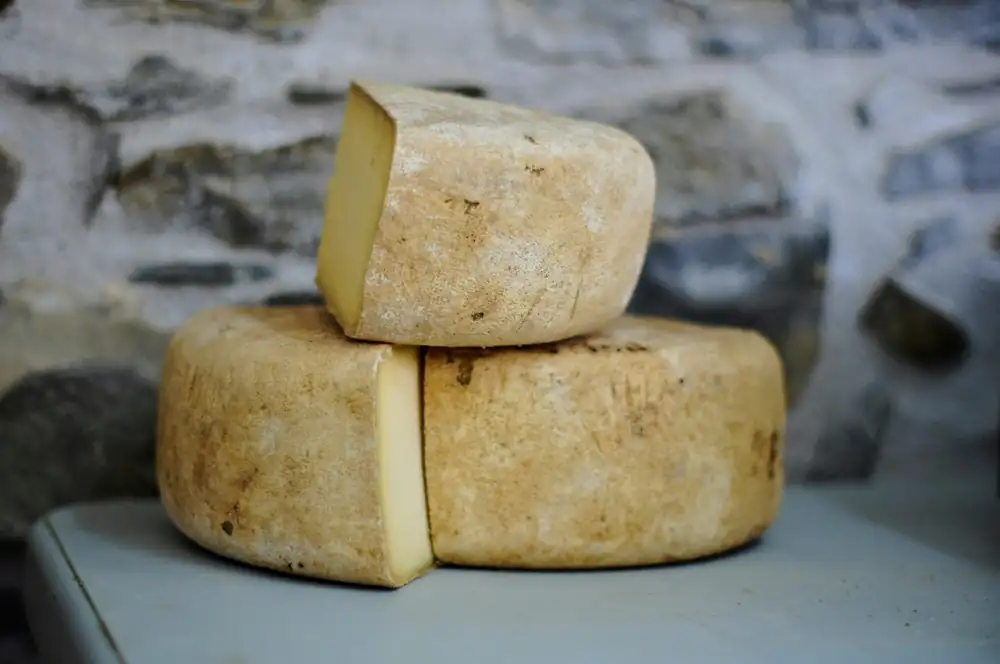
Many traditional cheeses and dairy products have disappeared or been pushed into the background due to mass production. These foods were often made using traditional fermentation processes, special bacteria or aging techniques.
County
One of France's oldest cheeses, made from raw cow's milk in the Jura Mountains, its flavor ranges from nutty to fruity, depending on the length of time it's aged.
Pecorino
An Italian sheep's cheese that has different varieties, such as Pecorino Romano. It is made from raw sheep's milk and has a strong and salty flavor.
Clotted cream
This is a traditional British dairy product, made mainly in the southwest of England, such as Devon and Cornwall. The cream is slowly heated and then cooled until it has a thick, creamy consistency. It is often eaten with scones and jam.
Ancient and forgotten fruits
Naspolia
A fruit native to Europe and Western Asia, known since ancient times, the medlar is a small, brownish fruit that is eaten only when it is soft and sweet. It was traditionally used to make jams and purees.
Mulberry fruit
The fruits of trees in the mulberry family are sweet and juicy. Although they were once widely cultivated, they are now less common in markets.
Rare vegetables and herbs
These vegetables and herbs were once an integral part of European, Mediterranean and Asian cuisines, but have been pushed into decline by industrial agriculture and the standardization of the food market. Many of them have adapted to local ecosystems and have unique flavors and nutrients.
Carousel dinnye
A special Italian melon variety that is unique to the Mediterranean region, especially in Puglia, Calabria and other southern Italian provinces. Italians often call this melon “anguria” (melon) or “melone” (watermelon). It is small, oblong, and usually has a yellowish-green rind. The Carosello melon was part of traditional Italian agriculture, but modern farming methods and the spread of commercial melon varieties have pushed native varieties into the background. The Carosello melon is now endangered, and some farmers are working to preserve and re-promote this special variety. Local, sustainable farming can also help protect the Carosello melon.
Salsify (Black root or oyster plant)
Black radish is a long, black-skinned root vegetable with a white interior and a slightly sweet taste. It gets its name from its oyster-like flavor. It has been cultivated in Europe since the Middle Ages and was particularly popular in French and German cuisine. It was an important winter vegetable in pre-industrial times. Its cultivation is labor-intensive and harvesting is difficult due to the fragile roots.
Crosne (Chinese artichoke)
Crosne is a small, tuberous vegetable that is grown in Japan, China, and Europe. It is made up of pearly, curved tubers with a unique, nutty flavor and crunchy texture. It was popular in France in the late 19th and early 20th centuries. It was pushed into the background by industrial agriculture, as it has low yields and is not well suited to large-scale production. It does not store well, must be eaten fresh, and because the tubers are small, manual harvesting is extremely labor-intensive.
Samphire (Seaside asparagus or glasswort)
Samphire is a fleshy, crunchy vegetable that grows in salt marshes and coastal areas. Its taste is slightly salty and fresh, so it is often used with fish dishes. It has been a popular ingredient in English and French cuisine since the Middle Ages. It was served pickled in Victorian England. It can be collected in the wild, but its natural habitats are threatened by pollution and urbanization. Its sustainable cultivation is not easy and is not a priority in large-scale agriculture.