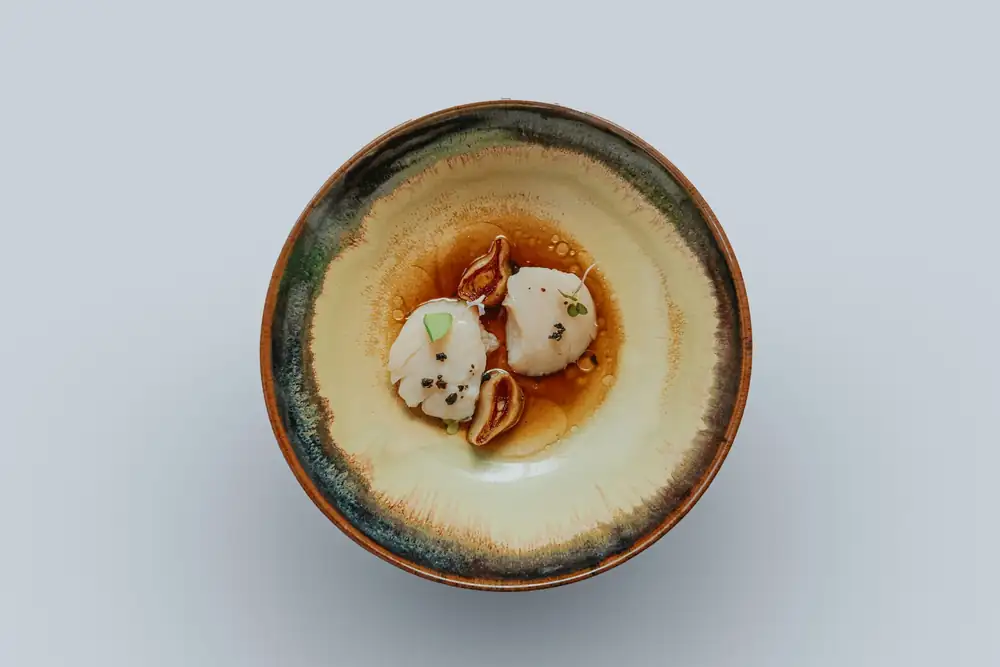
How to serve scallops?
Whether pan-fried or grilled, the emphasis is not on the abundance of components but on balance. The mussel's soft sweetness, slightly salty marine character and almost creamy texture are complemented by accessories that add freshness, acidity or a subtle crunch without overwhelming the main character.
A few well-chosen vegetables, a subdued puree or grain element, and a light, elegant sauce are usually more than enough to allow mussels to really shine – whether served as an appetizer or main course.
Below are pairings that work especially well with scallops: seasonal vegetables, citrus elements, light side dishes, and simple yet restaurant-inspired sauces.
How should you pair flavors with mussels?
Before choosing specific side dishes, it's worth understanding what makes the character of scallops so special.
Good pairings contrast or subtly enhance the delicate sweetness and soft texture of the mussels. The acidity, slight bitterness, and crunchy textures make the dish fresh and light. Lemon or lime, a subtle vinaigrette, the slight bitterness of arugula or radicchio, and the crunch of thinly sliced fennel, radishes, or toasted oilseeds work particularly well with it.
It pairs equally naturally with slightly sweet vegetables — such as peas, carrots, leeks, or corn — as well as more subtle umami flavors like mushrooms, browned butter, or a light clam chowder.
Grilled scallops work particularly well on clean plates: some lightly charred vegetables and a citrus dressing often create an elegant, balanced effect on their own.
Vegetables, purees and light side dishes
The purpose of the side dishes you choose for scallops is not to dominate the plate, but to highlight the delicate sweetness and soft texture of the scallop. Fresh, green vegetables work especially well with them: blanched and grilled asparagus is a classic spring pairing, while crunchy green beans or snow peas add lightness and a subtle sweetness to the dish. Spinach or chard, quickly wilted with garlic and olive oil, can create a silky base for the sautéed scallops.
In cooler months, the deeper, earthier character of root vegetables can come to the fore. Leeks or spring onions slowly caramelized in butter make an elegant accompaniment, while roasted celeriac, parsnips or carrots take the plate in a more substantial yet balanced direction.
If mussels are served as a main course, a subdued risotto or grain element can work well alongside them. A lemony-spiced risotto is a classic choice, but farro or other grains cooked in a light stock can also make an elegant base for some sautéed mussels. Again, the emphasis is on delicate proportions: flavors that are too heavy or smoky can easily overwhelm the character of the mussels.
Various vegetable purees add a restaurant-style elegance to the plate. Cauliflower, parsnip or celeriac puree creates a silky base, while green pea puree adds freshness and a slight sweetness to the dish. However, it is worth using them sparingly to keep the plate light.
Salads, citrus and light sauces
Fresh salads and citrus elements add a lightness that really suits scallops. Arugula, frisée, or tender lettuce with a slightly acidic vinaigrette work well with scallops, especially if there are several creamy or buttery elements on the plate.
Thinly sliced fennel, radishes, and citrus wedges add crunch and acidity to the dish, while in summer even a simple tomato and cucumber salad can be an elegant accompaniment. Often, a few drops of lemon or lime are enough to make the flavors of the mussels seem fresher and cleaner.
When it comes to sauces, moderation works best. Browned butter with lemon and herbs is a classic pairing, especially with seared mussels. Light sauces made with white wine or dry vermouth, perhaps enhanced with a little fish or mussel stock, create an elegant, bright sauce without making the dish too heavy.
In the case of scallops, less is truly more: a few well-chosen elements often create a much more sophisticated overall effect than an overcrowded plate.