The Underrated Herb You Should Be Adding To Your Pasta
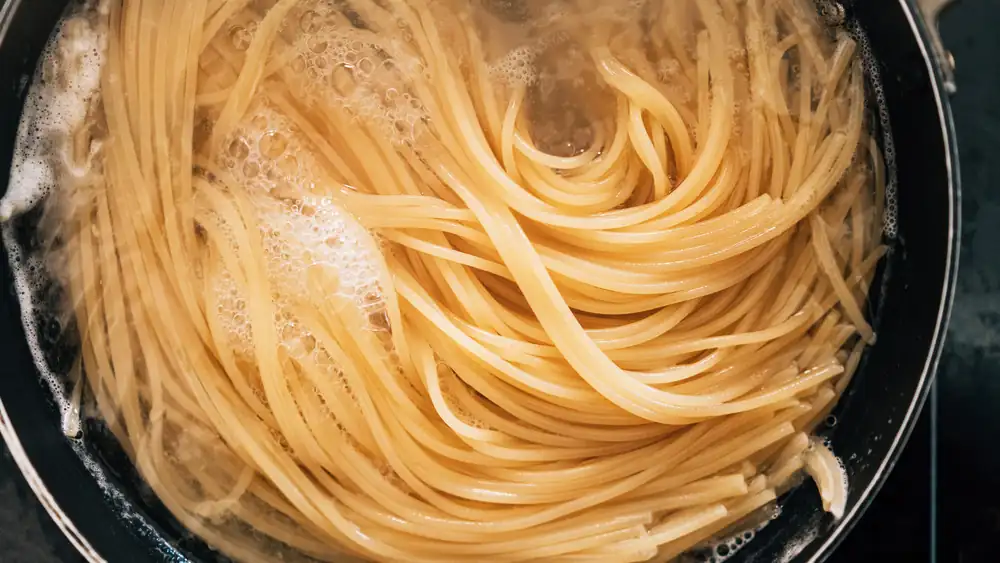
Making pasta for dinner may seem like one of the easiest dishes to whip up — simply fill a pot with water, add the noodles, and let it cook — but it can get pretty complicated pretty fast. There are so many decisions to be made. What kind of pasta do you want, spaghetti, elbow, penne, rotini?
There's no shortage of options. You can douse it in marinara sauce, pour on creamy Alfredo, or smother it in freshly grated Parmesan cheese. Or, if you're a purist, you can simply toss it in butter or olive oil. While all of the above are undeniably delicious, you can also sprinkle on fresh herbs for added effect. There's one herb in particular that people rave about that belongs on top of your pasta that you probably hadn't even thought of.
It's the perfect salt-free topping for pasta
You might only think of dill as something that belongs in a jar of pickles or a bottle of relish, but Health Digest argues it's equally (if not more-so) tasty mixed into pasta. Calling it "misunderstood and underutilized," the site explains that because dill has such an intense, concentrated flavor, it can easily replace salt as a topping. Meaning, it's perfect for anyone who's watching their sodium intake.
A lot of food blogs have recipes for how to incorporate dill into your pasta dishes, with many pairing the herb with mushrooms, lemon, or a mellow cream sauce to complement dill's intensity. As for whether you should use fresh or dried dill, that's up to you — however the amount you use of each will vary. Because dried herbs are more powerful, The Heart Bright Foundation recommends using a ratio of one to three dried herbs.