Croatia on your plate – flavors, traditions and regional classics
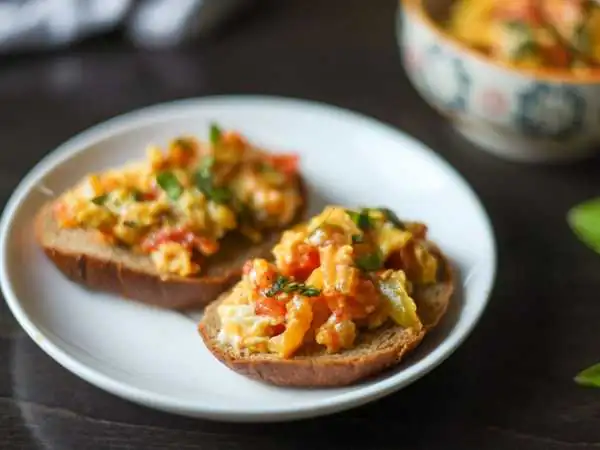
Located in the northwestern corner of the country, Istria’s cuisine is characterized by a delicate balance of excellent ingredients and Italian influences. The Malo Selo konoba in Buje is almost entirely based on Istria’s iconic produce. The menu includes truffle-enriched frittatas, handmade pastas and wild asparagus dishes. In Istria, black truffles are available year-round, while white truffles are in season in the fall.
Local classics include špaleta made with white wine and olive oil, seasonal dishes made with wild mushrooms, and hearty soups enriched with corn, beans, and smoked meats. More substantial dishes include goulash made with native Boškarin cattle and žgvac, a slow-simmered local ragout made with chicken, usually served with puljska or homemade pasta.
Central Croatia
In Croatia's hilly central region, cuisine still closely follows the rhythm of the seasons. Family recipes, locally grown ingredients, and slow, careful preparation play a decisive role in the gastronomy here.
Vuglec Breg in Zagorje is known not only for its own wines – Graševina, Rhine Riesling and Pinot Noir – but also for the region’s classic dishes. The menu includes duck and turkey served with oven-baked mlinci, veal with vegetables and potatoes, and cheese štrukli baked in a traditional ceramic bowl.
Meals are often started with Zagorska sheep soup enriched with pancetta and forest mushrooms, and for dessert, Zagorje gibanica layered with poppy seeds and walnuts or traditional apple and cherry strudel are served.
As the seasons change, the surrounding restaurants often feature duck, goose, venison or pheasant, served with porcini mushrooms and fresh vegetables. One of the most important ingredients in the area is pumpkin seed oil, which is used in the preparation of many dishes, along with roasted pumpkin seeds.
Slavonia
In the northeastern part of Croatia, in Slavonia, we encounter a much more characteristic, spicier taste. The influence of Hungarian and Turkish gastronomy can be felt in the taste of the region's cuisine. The Dunav Ilok restaurant, located on the banks of the Danube, is a good example of the connection between the river and the local cuisine. Its menu focuses on freshwater fish: fiš paprikaš, made from catfish and carp, richly peppered, is one of the most famous dishes of Slavonia.
In addition to fish dishes, dishes made from veal, pork and turkey also play an important role. Slavonia's gastronomic heritage includes iconic products such as kulen, a spicy, smoked sausage specialty, as well as smoked bacon and lard, which are still defining elements of the local cuisine today.
Dalmatia
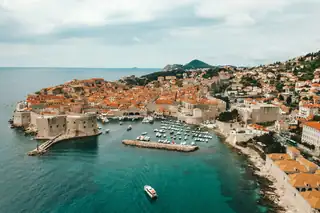
In the southern part of the country, Dalmatia, the rocky coastline and crystal-clear Adriatic Sea have shaped a cuisine that is one of the purest expressions of Mediterranean flavours. Konoba Griblja in Sukošan is particularly famous for its peka, which is made exclusively to order. Lamb, veal or octopus is slowly baked with potatoes and vegetables under a metal bell-shaped lid, allowing the meat and vegetables to slowly come together while retaining their own character.
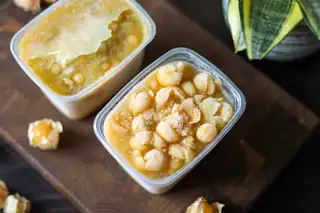
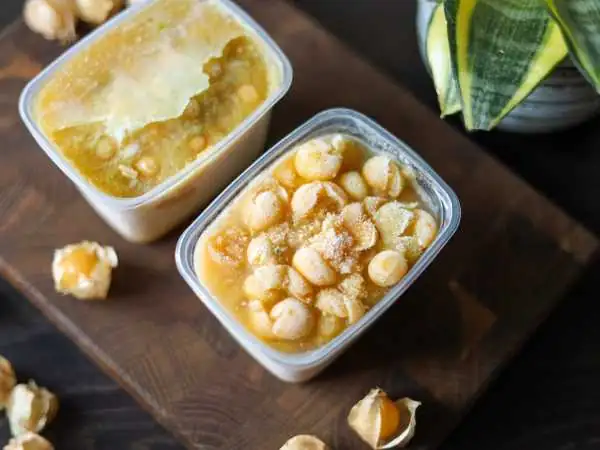
Its iconic dessert is dalmatinska rožada, a local version of caramel pudding. The dessert is served with a caramel sauce that forms at the bottom of the mold, giving it a silky texture and a distinctive sweetness.
In Zadar, the Kaštel restaurant takes a contemporary approach to the local gastronomic heritage. In the summer, the menu focuses on fresh seafood and shellfish, while in the cooler months, the classics of Dalmatian cuisine return to the fore. Such as pašticada served with homemade gnocchi, slow-braised beef, aromatic lamb from the island of Pag, or black squid risotto with a foam of local wild herbs.
From Istrian truffle dishes to Slavonian fiš paprikaš to the fish dishes of the Dalmatian coast, Croatian cuisine shows a completely different face from region to region. It is this diversity that makes the country one of the most exciting gastronomic destinations in the region.