“With various preservation methods, we can extend the use of a vegetable or fruit throughout the year” - with Szilárd Tóth on the issue of seasonality
More and more chefs and restaurants are looking for opportunities to work with local and seasonal ingredients. This approach seeks to find small producers nearby and the highest quality ingredients, not to leave too large an ecological footprint, and to consume, use and store fruits and vegetables in season.
Could you tell us why working with seasonal ingredients is important to you?
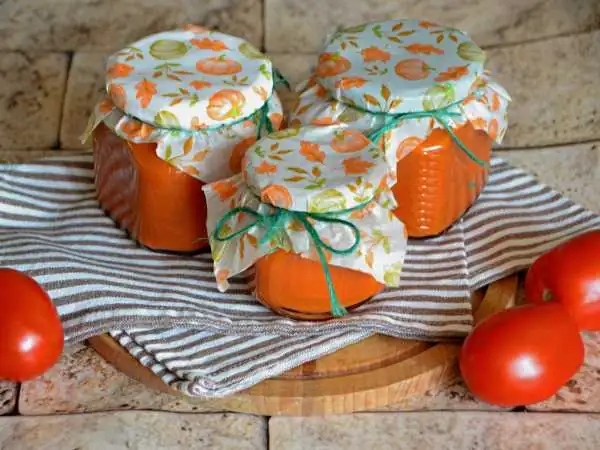
A basic rule is that everything should be consumed in season, but I think that with different preservation methods we can extend the use of a vegetable or fruit throughout the year. It is not only important to use as much of a seasonal ingredient as possible, for example asparagus in the spring, but also to store as much of it as possible.
Unfortunately, overproduction is very common, so without forethought, these products would end up in the trash - that's why it's important to me to experiment with each product as much as possible and to preserve it.
Are there any ingredients that you store during the winter for later months?
There are a few citrus fruits, such as yuzu and bergamot, that are available during this period, but we only use them during the winter months. During these months, we integrate quince, kale, and blackberries into Salt's menu and make ferments from them.
You spend a lot of time in nature, often picking various wild plants yourself. Do you also use these exclusively in preserved form during the winter season?
Yes, but an important aspect here is that there are several wild plants that are not really tasty when fresh. One example is the sago palm, which requires a long drying process – we use it in a dried form in restaurants and bakeries. This process is necessary to bring out its special, tonka bean-like flavor more intensely.
But spring is approaching, and as nature awakens, you can go foraging. Wild onions and chervil can be found as early as March, followed by the common scallion and wild garlic. April and May are the most active months – we tend to pick dandelions, elderberries, sweetgum, and snake onions, among others.
This approach requires a fairly well-thought-out system and forethought. Do you plan ahead in the spring, summer, and fall months to see what you're going to do for the winter?
It requires some forethought, as we need to estimate how much of the preserved food we will use and purchase fresh accordingly. Pickled or dried vegetables are not used as a main course, but as an accompanying element or ingredient, so we need to be careful about this as well.
Fermentation, pickling and storage of vegetables and fruits are important both economically and in terms of quality preservation.
Vegetables are in season and have the best quality, the most intense flavor and, last but not least, the cheapest. In addition, sourcing ingredients from our surroundings has become an important aspect. I like to maintain a good relationship with producers because, on the one hand, they always talk about the exciting ingredients available, and on the other hand, we can tell our guests exactly where the ingredients for each dish come from.