
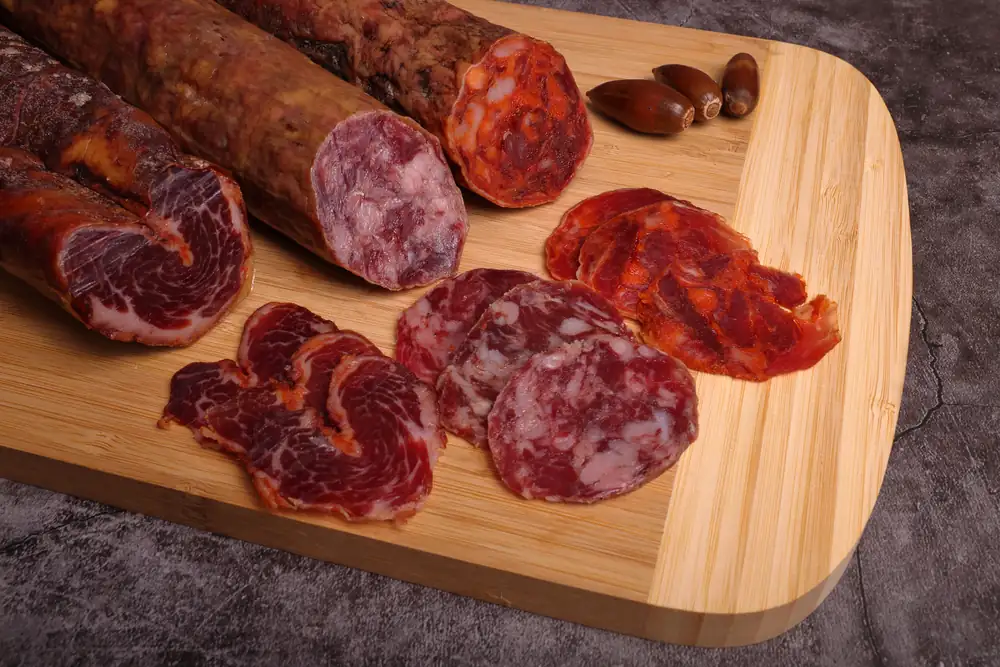
Kulen: Croatia's Smoked Meat Specialty
Slavonia is a border region between Hungary, Serbia and Bosnia and Herzegovina, often called the “Amazon of Europe” due to its stunning natural landscapes: lakes, forests and meadows stretch into infinity.
Crossed by the Drava and Sava rivers, Slavonia is a region of rich biodiversity, where the environment is closely intertwined with the local culture, traditions and everyday life of its inhabitants. The Pannonian Plain has long been used for agriculture, supplying the whole of Croatia with its crops for centuries. It is therefore not surprising that the country's gastronomy has also flourished over time, mixing influences from different cultures - Austro-Hungarian and Ottoman cuisines have also contributed to the region's flavors.
Fire has always played a central role in the local cuisine, so Slavonian dishes are often made with meat and fish: such as paprikaš, carp skewered and grilled over a fire, and bean stews slowly cooked in clay pots. Other local specialties include čvarci, smoked bacon, and čobanac, a traditional shepherd's dish made with beef, pork, or occasionally game.
However, one of the most outstanding gastronomic specialties of Slavonia is kulen, which is traditionally made by grinding the best parts of the pig and mixing them with fat, salt, paprika and garlic. The resulting mass is stuffed into sausage casings and then aged in brine for up to five days. It is then washed and tied to keep its shape. The next step is smoking, which lasts for more than a month until the sausage turns dark brown, and then the maturation process begins, which can last up to six months.
In the past, only one kulen was made from a pig, and since families only raised a few pigs, this specialty was consumed only on festive occasions. Today, the situation is different, and although more pigs are processed, certain criteria still have to be met: the animals cannot be too young and their weight must reach 180 kilograms.
Kulen is served in some of Croatia's best restaurants, including several Michelin-starred establishments. It is made by several producers, one of the largest of which is Sin Ravnice. This farm is located in Cret Viljevski, in the eastern part of the country, and has always grown corn, barley, wheat, peas, pumpkin and clover on its own land.
These crops are used as feed for the pigs, which are allowed to graze freely when not kept in Slavonian oak barns built to strict ecological standards. From late spring to autumn, the pigs eat wild grasses, while in winter their diet is supplemented with turnips.
The entire meat processing process is self-sustaining and takes place entirely on the farm, from raising pigs to fattening them with their own crops to producing fresh and dried meat products.
Characteristics of Black Slavonian pork
Protected by the program for the protection of Croatian native and endangered livestock breeds, the Black Slavonian pig has a darker meat than other pig breeds and a higher proportion of intramuscular fat. This gives the meat a richer texture and taste, as well as better quality.
The best quality meat – from the pork leg, loin and a special shoulder – is mixed with hard fat from the back. The ingredients are then thoroughly mixed with hot red pepper and salt, then the mixture is ground and stuffed into the pig's large intestine.
The filled sausage is hung in a smokehouse, where it slowly dries in the light smoke of various types of wood – such as wild cherry, wild pear, cherry and black cherry – until it acquires its characteristic aroma. After the smoking process is complete, the sausage is further matured in a dark, earthen-floored, brick-walled cellar.
In addition to kulen, other smoked meats are also made in the region, such as kulenova seka (a smaller version of kulen made from the same ingredients), Slavonian sausage, bacon, and ham.