
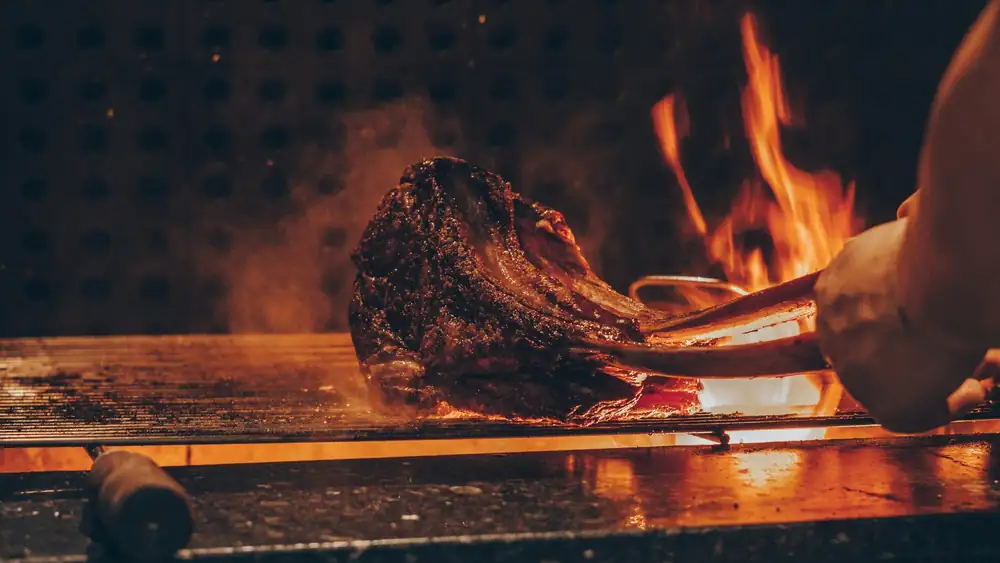
Marinades, dry rubs, brines – methods to get the most out of meat
The most important thing is to choose the best quality beef possible – marinades, brines and brines are extremely versatile and can add almost any flavour to a dish, but the key is to highlight the meat, not overpower it.
Dry marinades
Dry rubs are a mixture of spices and seasonings that are rubbed onto the outside of the meat. If they contain salt, it starts a process of osmosis that draws moisture out of the meat, creating a brine. This breaks down the fibers over time and then soaks back into the meat, locking in the flavors. If you add salt to your dry rub, use coarse salt – fine table salt will draw moisture out too quickly, which can result in a tough texture.
When it comes to spices and flavors, you can choose freely, but it’s worth choosing a clean and refined flavor profile. Equal amounts of salt and sugar prevent the salt from overpowering everything else, and cinnamon and cumin add a deep, earthy warmth. Star anise or a dash of smoked paprika (which can be enhanced with a little sherry vinegar after baking) are especially recommended.
Once you have selected your spices, apply the dry marinade to the beef and leave it in the refrigerator for twelve hours. It is unnecessary to apply the marinade immediately before cooking – it will either be ineffective or, worse, will leave wet spots on the surface of the meat, which will prevent proper cooking. After the twelve hours, rinse off the remaining marinade, dry the meat thoroughly, and cook. The flavors of the spices will not be too dominant, but they will highlight the natural flavor of the meat.
Marinade
Marinating is surprisingly less effective than you might think. Oil-based marinades never penetrate the meat and don't tenderize it—they just flavor the surface, since oil and water don't mix. However, using a mixture of garlic, rosemary, and thyme on the surface of your steak can be a good option. If you're looking for an acidic or citrus flavor, marinades aren't recommended—citrus juices or vinegars break down the surface of the meat too much, making it mushy. Instead, add lemon or lime zest to your dry marinade.
Saline solutions
Brining is the best way to ensure that flavors penetrate the meat, not just the surface layers. The brine replaces the water in the meat's cells, and with it the flavors dissolved in the liquid.
When making a brine, the solution should be relatively mild, with a salt-to-water ratio of less than ten percent. Premium cuts should be marinated very lightly (between one and seven percent salt), while larger, fattier cuts, such as brisket, require a stronger solution (between seven and ten percent). Strong, characterful spices work well in brines—star anise and fennel seeds are particularly recommended, but you can use whatever you like. Heat the brine mixture until all the salt has dissolved and the spices have released their flavor, then cool and make sure the meat is completely submerged before placing it in the refrigerator.
The length of time you brine your meat depends entirely on the type of meat and the texture you want. However, always aim for at least an hour in the fridge to start. Individual cuts like steaks will be ready in three hours, while larger, fattier cuts can take up to two days. Keep in mind that brine can affect not only the flavor but also the texture, and if you leave your meat in it for too long, it can become very soft.