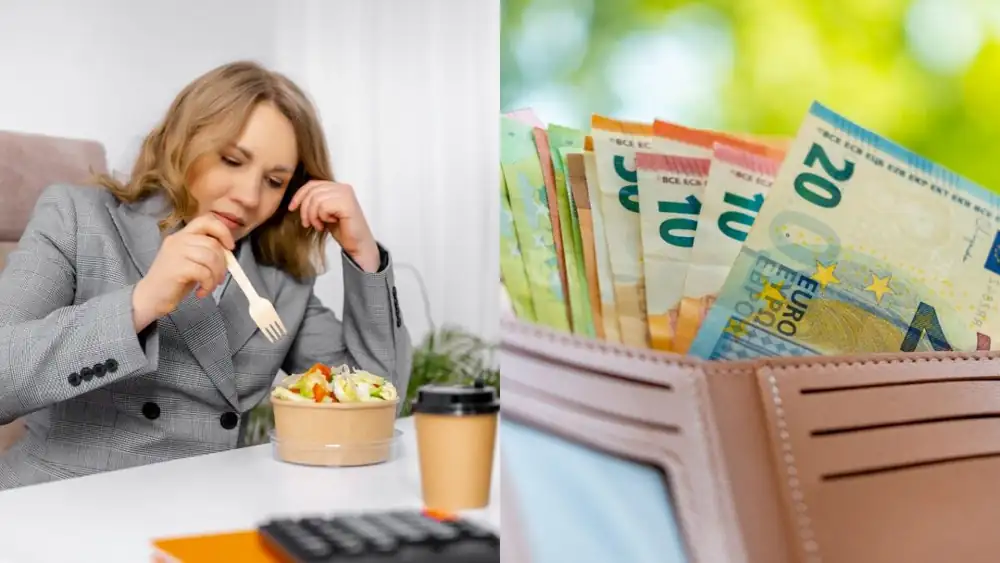
Lunch breaks are booming (+368% in 25 years): to save money, the packed lunch is back in fashion
Those who work outside the home and eat a midday meal know it well: what used to be a small, even pleasant, daily ritual is turning into a particularly significant burden on their daily budget.
What Federconsumatori says: the numbers for lunch breaks away from home
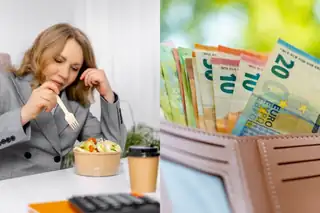
The National Observatory of Federconsumatori (ONF) provides a clear picture of this situation. It emerges that even the most basic options, such as a sandwich accompanied by a bottle of water and a coffee, can cost up to 7 euros. If you opt for a full meal, including a first course, water, dessert, and coffee, the average cost increases to 16.19 euros. This figure is unaffordable for most workers, who would find themselves shelling out more than 80 euros a week for lunch alone. Not to mention the cost over an entire year (2,760 to 3,250 euros).
Luckily, there's the lunchbox: the tradition that saves you up to 75%
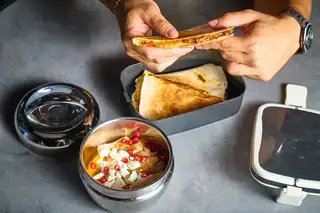
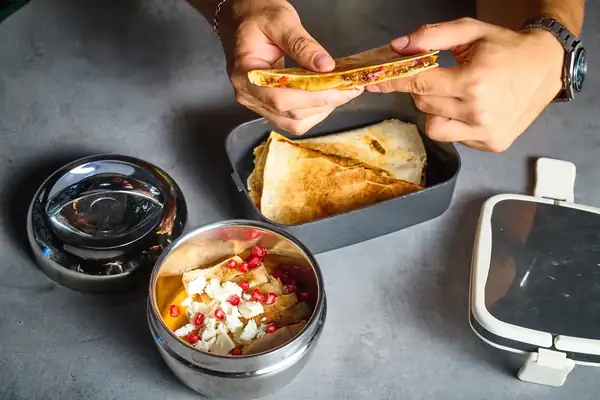
The picture, however negative, is very clear: food costs are increasingly more expensive, but the same cannot be said for average wages. Therefore, more and more people are turning to a solution as friendly—and time-honored—as it is effective: the schiscetta. The term, of Milanese origin, from the dialect schiscià, meaning "to crush," refers to a lunch prepared at home and brought to work in a classic airtight container. It's a habit known throughout the world, known as a lunch box in Anglo-Saxon countries and a bento in Asia, and in Italy it has its roots in working-class culture. The schiscetta has recently come back into vogue not only for economic reasons, but also because it allows for greater control over the quality of the ingredients.
The advantage is therefore twofold: you save money, since preparing lunch at home costs an average of €4.90, though those who save can get it down to €2.00. And you have full knowledge of what you're putting on the table, without being limited to the mere offerings of bars and diners, which often offer mass-produced products without offering many alternatives. The economic advantage, as demonstrated by the numbers, is a convincing 75% compared to a meal purchased on the spot.
Playing with cooking times is also important: cooking portions sufficient for several days in a single batch—as can be done with farro—reduces both time spent in the kitchen and energy consumption. Remember, however, that it's good manners to avoid recipes with ingredients that can release very strong and intense odors, as they could be bothersome to others, especially if exposed to a heat source like the microwave. In this regard, cold and fresh recipes like pasta salad—especially in summer—or a chicken and cherry tomato salad can prove perfect, providing a satisfying lunch without releasing any noticeable odors.
Federconsumatori's appeal: constant price monitoring is needed.
While lunch boxes represent an effective individual response, Federconsumatori insists on the need for a more structural and collective intervention. The association calls for the implementation of a system of continuous and accurate price monitoring by bars, canteens, snack bars, food courts, and large-scale retail outlets. According to Federconsumatori, many of the recorded increases are not proportionately justified by the actual trend in operating costs—rent, utilities, raw materials, personnel—and may instead conceal opaque practices or outright speculative practices.
The association's request therefore moves along two tracks: on the one hand, updating income support tools for workers, starting with meal vouchers; on the other, a supervisory system that prevents unjustified price increases, to prevent the high cost of lunch from turning into an opportunity for undue profit at the expense of consumers. Only through this dual approach, Federconsumatori maintains, will it be possible to restore the lunch break away from home to a sustainable cost for workers.