Shake Shack stock takes a hit after it lowers sales guidance
The fast-casual burger chain lowered its expectations for sales and profitability, citing economic uncertainty and competition.
“But it’s important to emphasize that our fundamental business drivers remain strong. We remain confident in our ability to execute our strategic priorities and deliver long-term shareholder value.”
Shake Shack is not quite having the quarter it expected.
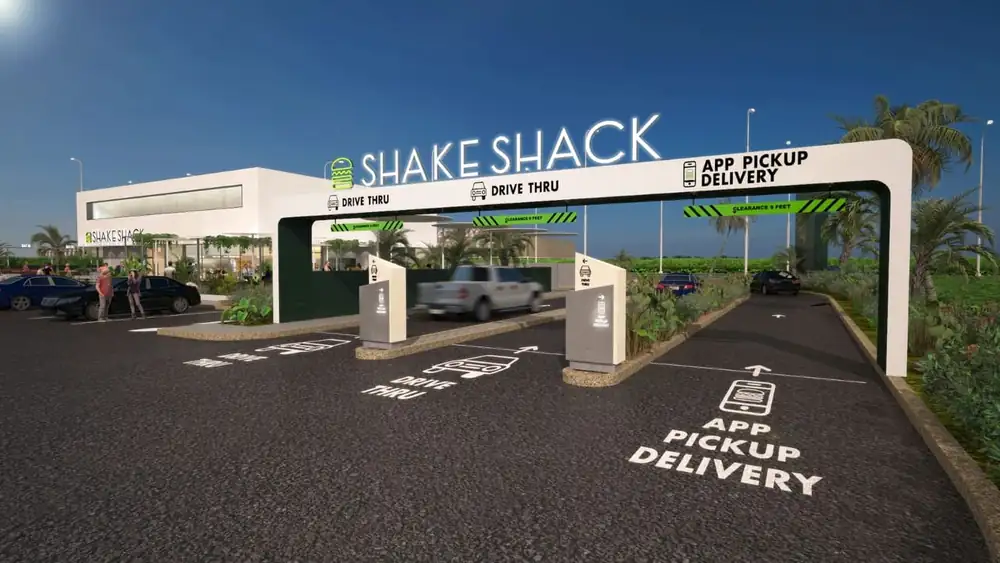
The fast-casual burger chain on Tuesday lowered its expectations for second quarter revenue, same-store sales and profitability, citing growing competition and economic uncertainty.
The results sent the company’s stock down more than 9% in early-morning trading on Tuesday.
“Our updated guidance reflects the current macroeconomic uncertainty, competitive landscape and related impacts now that we are more than two-thirds through the quarter,” CEO Rob Lynch said in a statement. “But it’s important to emphasize that our fundamental business drivers remain strong. We remain confident in our ability to execute our strategic priorities and deliver long-term shareholder value.”
Shake Shack said that its same-store sales are expected to increase 2.5% to 3% this quarter, down from its initial guidance of 3% to 5%. It also expects to open 16 locations, down from 16 to 19. Revenues at the chain are expected to be $415 million to $420 million, down from $424 million to $428 million.
Restaurant-level profit margin, meanwhile, is expected to be 22% to 23%, down from 24% to 24.5%.
The company also lowered its full-year guidance for restaurant-level profit margin, adjusted EBITDA, or earnings before interest, taxes, depreciation and amortization, and net income. For the full year, adjusted EBITDA is expected to be $225 million to $235 million, down from $230 million to $245 million.
Net income is expected to be $45 million to $55 million, down from $50 million to $60 million.
Shake Shack released the guidance in advance of a series of presentations that executives are expected to make with investors this week.
It also comes as the restaurant industry faces a number of economic challenges, including rising gas prices, overall uncertainty and a value war leading many chains to discount key products.