Where Does Costco Source Its Wagyu Steak From?
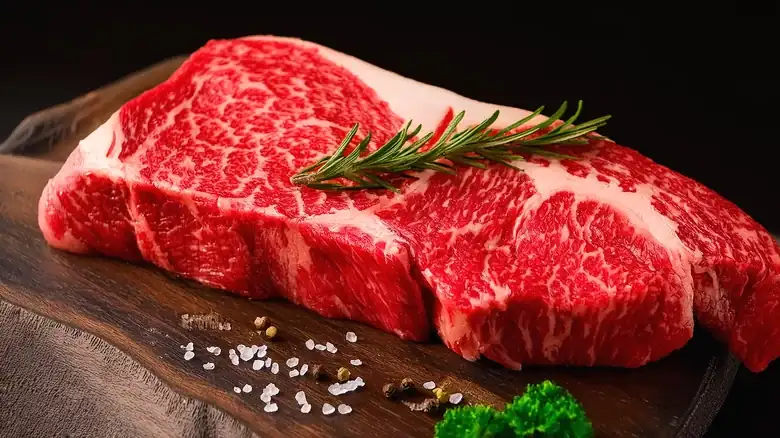
The pinnacle of beef in the culinary world, wagyu steak practically melts in your mouth thanks to the rich, hyper-marbling rippling throughout its cuts. Once exclusive but forever a culinary luxury, A5 wagyu can now be found in select Costco locations across the country.
The grading system for wagyu uses a letter-and-number scale based on yield and quality, unlike the USDA grading system used in the United States. The letter, either A, B, or C (with A being the highest), indicates the yield — how much edible meat is obtained. The number, from 1 to 5 (with 5 being the best), reflects marbling percentage, color, texture, and firmness. Costco's wagyu carries an A5 rating, the highest possible grade for wagyu, making the wholesale retailer an excellent source for this exceptional product.
Buyer beware: While fully rendering the fat is an important step in cooking ribeye cuts, you still want to preserve the tenderness of the meat. Avoid the mistake of overcooking your wagyu, as the intense marbling decreases the cooking time compared to other types of steaks.
Wagyu myths and delicious ways to enjoy your steak
Fun rumors about wagyu in the culinary world include the idea that the cattle are fed beer while being massaged and serenaded with classical moo-sic (not sorry). As delightful as the image of a 1,500-pound cow getting a shiatsu rubdown while sipping Sapporo and listening to "The Magic Flute" might be, it's unfortunately false. Given that they produce a highly coveted product, these cattle are well cared for, but most farmers draw the line at fancy shampoo for exhibitions. Similar to how Champagne must come from a specific region in France to bear its name, wagyu can only be called Kobe beef if it originates from the Kobe region of Japan. Otherwise, it's just sparkling wagyu — ha!
If you want to treat yourself to what is widely regarded as the pinnacle of steaks, there are a few things to remember when cooking wagyu at home. Due to the exquisite marbling and rich flavor of wagyu, a serving is much smaller than that of a typical ribeye. One of these 16-ounce ribeyes is enough for up to three people to share. For a fabulous food pairing, the richness and fat content of wagyu go amazingly well with a full-bodied red wine like a syrah, or even a cabernet franc. The bite from the tannins and the full body structure in the wine will perfectly complement the velvety umami of the wagyu.