The ingenious way butter can make serving your next cake easier
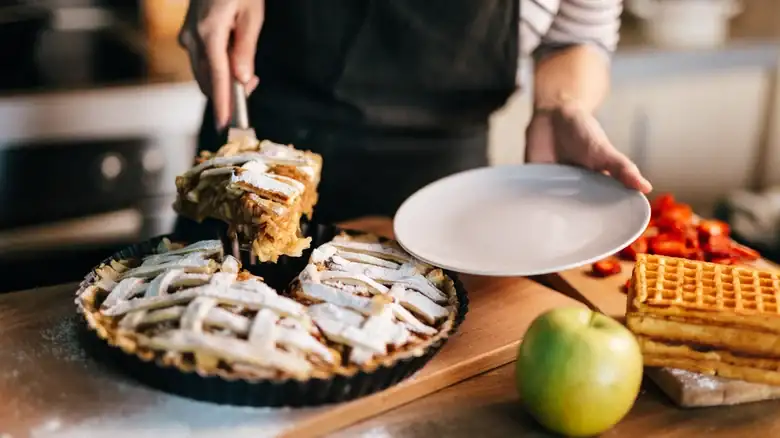
Spreading a thin layer of butter on the knife before cutting prevents the crust from breaking and the filling from spilling out when serving.
A freshly baked or store-bought cake can lose its charm when cut: the crust crumbles or the filling spills out, creating a mess in an instant. There's a simple trick to preserve that idyllic image when serving a slice.
Simply spread a little butter on the knife before cutting. Since butter is a fat, it acts as a lubricant and barrier: it makes it easier to cut through the crisp crust without it sticking or breaking, and it creates a slippery surface that helps the knife glide smoothly into the filling.
This trick is especially useful with sticky fillings, such as fruit tarts, custard, or the famous treacle tart with its soft crust. It also works with puff pastry, like the traditional apple tart or the sweet potato tart with maple syrup and bourbon. Essentially, it's like greasing a baking pan: it prevents the tart from sticking to the knife and allows for clean slices.
With any type of butter, the result is clean. Soft butter is the easiest to spread in a thin layer. If the butter is cold, it's a good idea to warm the knife in hot water first. If you're worried about adding extra salt to the dessert, simply choose unsalted butter, although the layer is so thin you'll hardly notice it.
It's best to use a sharp, good-quality knife. For pastries with a crispier, firmer crust, a serrated knife works best, as it prevents crushing the crust. If the filling is thick and sticky, a small, sharp knife will give a clean, precise cut. Wipe the knife after each cut to remove crumbs and filling.