What makes a flavor take off and what doesn’t?
While some flavors, like hot honey or pumpkin spice, maintain their popularity across food categories, some flavors never make the jump to everyday consumption, according to industry experts who say the difference often comes down to a mix of familiarity, versatility and consumer behavior.
“Versatility matter more than the novelty. Hot honey works on pizza, chicken, biscuits, cheese and even ice cream. Once people discover five or six uses for something, it stops being a trend and becomes a pantry staple,”
Same but different
The flavors that break through are rarely completely new, says Kara Brown, founder of honey goods company Bee Inspired.
“The food trends that last usually don’t ask people to change what they love. They give them a new way to love it,” she explained.
She points to hot honey and pumpkin spice as examples.
“Hot honey worked because people already loved honey and hot sauce; it simply gave them a new reason to combine the two. Pumpkin spice works in much the same way. It has nostalgia and comfort built in,” Brown said.
Flavors that win popularity bridge the gap between novelty and familiarity, according to Eric Davis, VP of food and beverage at PR firm MorganMyers.
“They need to be quirky enough to feel new and interesting, but you also must be able to quickly understand what they taste like, where they belong in your meal planning and how you might use them week in and week out,” Davis said.
The most successful innovations also are built on familiar foundations with additional flourishes, according to Deirdre Walters, co-founder of Untapped Innovation, a global agency helping R&D teams at companies like PepsiCo, P&G and Unilever.
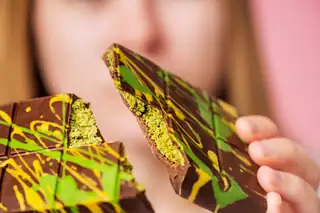
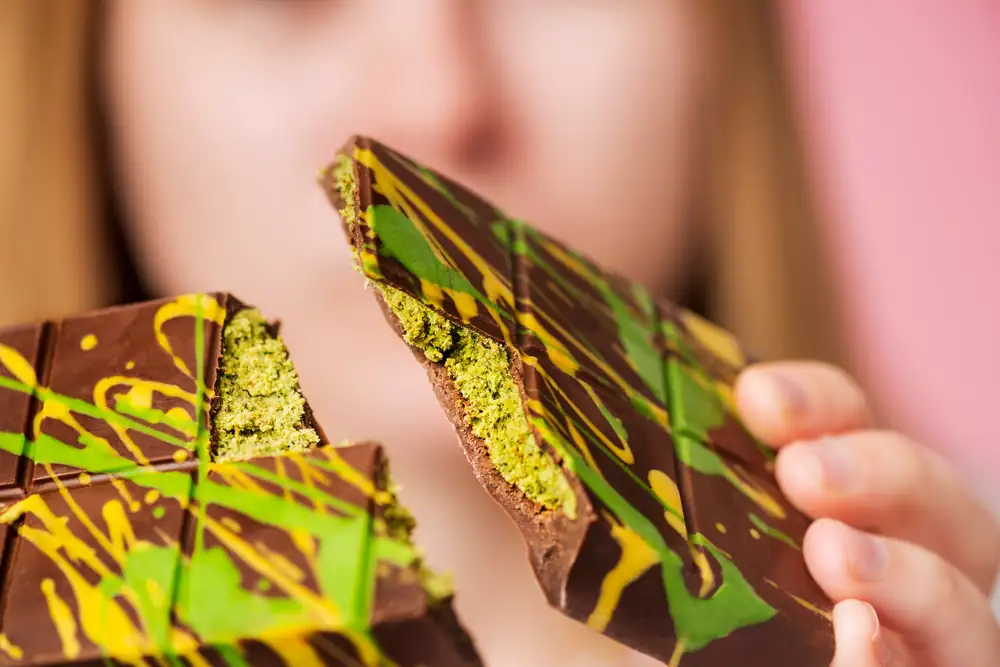
Dubai chocolate, for example, “took something extremely familiar - a chocolate bar - and dramatically amplified the experience through creamy pistachio filling, crunchy kadayif, nuttiness, abundance, contrasting textures and a highly visible reveal,” Walters said.
Beyond the initial buzz
Novelty may drive trial, but it doesn’t guarantee longevity, according to Brown who says that utility matters more.
“Versatility matter more than the novelty. Hot honey works on pizza, chicken, biscuits, cheese and even ice cream. Once people discover five or six uses for something, it stops being a trend and becomes a pantry staple,” Brown said.
While hot honey succeeded because consumers kept finding new uses for it across familiar foods, pumpkin spice became a ritual flavor, with Starbucks helping transform it from a seasonal taste into a recurring fall tradition, according to Davis.
“It’s an important reminder that not all food trends follow the same path: The path can be versatility, ritual, usefulness, household appeal or some combination of those things,” Davis said.
Flavors of the future: global inspiration meets local innovation
This story is part of a broader collection of stories published as a Special Edition exploring how global flavors are shaping CPG innovation and what ingredients are leading the charge.
To ensure Special Editions are delivered to your in-box, make sure to register by clicking the yellow registration button.
Otherwise, you can check out the full collection here.
Why some predicted trends never break through
Visibility alone is not enough, argues Davis.
“Sparking consumer curiosity and actually becoming a permanent pantry staple two very different things. A flavor can be all over social media, restaurant menus and trend reports, but’s it nothing but buzz until it becomes a weekly or monthly habit for shoppers or diners,” he said.
Among the examples Davis cites are ruby chocolate, activated charcoal and butter boards, which delivered on novelty or visual impact, but not enough to entice consumers to continue buying them.
Brown says some trends struggle because consumers don’t easily understand how to use them.
“That explains why some ‘next big things’ never quite arrive. Rose, elderflower, hibiscus and yuzu are interesting, but they haven’t found that everyday ‘put it on everything’ moment yet,” she said.
Consumers don’t want to work too hard
A recurring theme across trending flavors is ease. Successful flavors provide exploration without demanding much from consumers.
“The best food trends also give people a little adventure without asking them to take much of a risk. You recognize the flavor underneath, so trying it doesn’t feel like a gamble,” Brown said.
Or more simply, winning food trends are “easy to understand, easy to try, easy to find and easy to use again,” according to Davis.
While unfamiliar flavors have a chance to reach mass appeal, they have a better chance “when you put it into a familiar format,” Davis said.
For example, Davis says yuzu has culinary appeal, but it’s not as pervasive as other citrus fruits coupled with consumers’ uncertainty on how to prepare it. Whereas, hot honey “asks very little of the consumer. You understand honey. You understand heat. And you can immediately imagine putting it on foods you already eat,” he added.
Viral doesn’t always mean mainstream
While social media virality can create the idea that a flavor trend can reach mass popularity, the difference is whether that flavor can be adopted across categories and seasons, Davis says.
“You can have enormous online visibility without yet having broad consumer trust, trial or repeat purchase,” he added.
Further, visual appeal is now part of the overall product experience.
“Brands can design a multi-sensory experience that looks beautiful, tastes indulgent and feels worthwhile, recognizing that in today’s market visual appeal is as much a part of the product experience as flavor itself,” Walters said.
Understanding what consumers really want
A winning flavor trend starts with understanding consumer needs rather than ingredients.
“Too often, product development starts with the format or ingredient. The stronger approach is to first understand the job the consumer is hiring the product to do and then define the experience the product needs to deliver,” Walters said.
Some flavors, such as yuzu, have hovered on trend lists for years without fully breaking into the mainstream.
It “absolutely has grown, particularly in restaurants, beverages and more premium products. But it still hasn’t completely crossed from culinary credibility into everyday American household use,” Davis said.