An American university encourages people to eat meat even when it has turned brown
An American university is advocating eating meat even when it's brown, and, sadly, they may have a point. The issue is the same one we discussed a few days ago, one that the entire world is grappling with: expiration dates, which are often overly conservative and lead to a disproportionate increase in food waste.
They're realizing this especially in the United States, where, say researchers at Auburn University, "the average American wastes more than 1,000 pounds of food a year." So what? Then let's teach them that they can eat food even when it's expired, sometimes, and even meat when it's slightly discolored, turning a little brown.
University study
“This research is much more significant than a discussion about meat discoloration or shelf life,” Darin Detweiler, a food safety policy expert and professor at Northeastern University’s College of Professional Studies, told Fox News Digital.
In short, this isn't about how long meat can be safely eaten, it's about challenging a cultural system that throws away too much, too soon. Of course, this is easier (and generally safer for your health) when the expired product isn't of animal origin, but according to Auburn University, there's room for improvement in that as well.
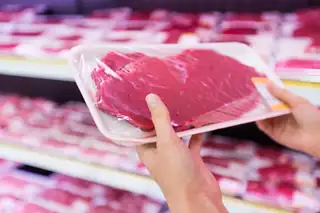
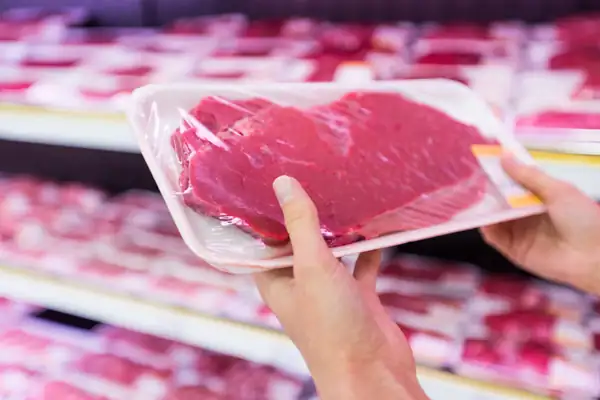
The expiration date for meat is typically four days from the packaging date, according to the press release describing the research. This expiration date, the researchers say, is based on the time the beef begins to lose its bright pink color, rather than the time it becomes unsafe to eat.
"If a consumer notices that the meat is brown on day three and is approaching its sell-by date, they might think it's gone bad, but in reality it's just a deterioration in quality," said Isabella Gafanha, a master's student at Auburn University who participated in the research. "It's still perfectly edible."
The researchers plan to continue their work to create more accurate expiration dates, while reducing the amount of meat that is needlessly discarded each year.
The economic implications of the research are "enormous," Detweiler said. And we're not just talking about waste prevention. "If predictive microbiological modeling could safely extend shelf life by just one or two days, the cumulative impact on the entire beef industry could represent hundreds of millions of dollars in recovered value annually," Detweiler said.